

Even a little exercise linked with lower stroke risk in people with afib

Testosterone therapy without evidence of deficiency may boost heart risk

Weight-loss drug may lower risk of heart attacks and infections

What to eat on the DASH diet

Migraine: How it's diagnosed and what that means

Tricep workouts you can do at home

Mindfulness practices to reduce stress and improve focus

Antihistamines may not offer meaningful relief from eczema symptoms

Overweight and taking blood pressure medications: Study finds it's a trend that's working

FDA approves first mRNA-based flu vaccine
Vaccines and immunizations Archive
Articles

5 inflammation-fighting food swaps
Inflammation can be a beneficial sign that the body's immune system is fighting an infection, but it can also linger over time, damaging the body. There is evidence that eating a diet heavy in foods that promote inflammation can increase the risk for certain health problems, and also that a healthy diet can reduce inflammation.
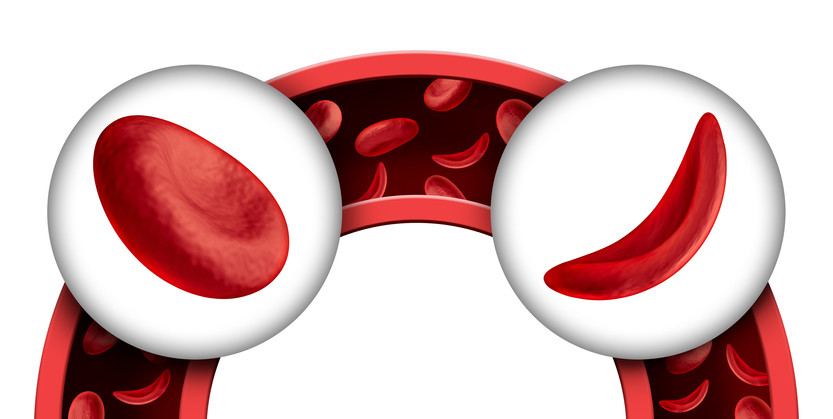
Sickle cell disease in newborns and children: What families should know and do
Millions of people around the world have sickle cell disease, a genetic condition that can cause pain and damage to organs or tissues, and can make children more susceptible to other health problems. In the US, most cases are diagnosed through screening in newborns. Getting connected to the proper care early in a child's life can help prevent complications from the disease.

COVID-19 vaccines for children and teens: What we do — and don't — know
Every day, more and more adults are getting vaccinated against COVID-19, helping us build toward herd immunity. But what about children and teens? What is the status of research on the vaccines in these groups, and when might vaccines be available for them?

A rocky childhood could be bad for your heart
Childhood trauma may raise the risk of cardiovascular disease, but making lifestyle changes can help you stay healthy.
Traumatic childhood experiences may have a lasting effect on your heart health.
A review published online Dec. 2, 2020, by JAMA Cardiology found that adults who had multiple adverse childhood experiences (ACEs) — like being neglected; suffering physical, sexual, or emotional abuse; or witnessing violence at home — had double the risk of cardiovascular disease and an early death compared with people who didn't face any ACEs at all.

Should I get a COVID-19 vaccine if I've had dermal fillers?
In rare cases, people who have had cosmetic dermal fillers experience swelling after receiving the COVID-19 vaccine, but this shouldn't stop people with fillers from being vaccinated.

COVID-19 vaccines and the LGBTQ+ community
A history of discrimination in multiple settings, including health care, may make some people who identify as LGBTQ+ hesitant to get a COVID-19 vaccine, even though the virus has disproportionately harmed this community. If you're struggling to make a decision, this may help you consider benefits and risks.

Edibles and children: Poison center calls rise
As more states have legalized the use of marijuana and products derived from it, more children are being exposed. Children can't be trusted not to eat appealing-looking food items they may find, so it's up to adults to take precautions and make sure edibles are stored where children can't find them.

School reopening? What parents need to know and can do

Can the flu shot hurt my immune response?
Ask the doctors
Image: © scyther5/Thinkstock
Q. I've read that getting the flu shot annually will weaken my immune system over time. Is this true?
A. A study published in the March 1, 2017, issue of The Journal of Infectious Diseases investigated whether getting an annual vaccination against influenza (flu) can weaken your body's natural ability to protect itself from the disease. Past studies have raised similar concerns. Researchers at the University of Bergen in Norway followed 250 health care workers. Some of them got a flu vaccination every year from 2009 through 2013. The others only received the vaccine once in 2009 and not in the years from 2010 to 2013. The researchers then took blood samples before the influenza season (and before people were vaccinated that season), from the members of both groups and looked at different markers to gauge how well their immune systems would respond to the influenza virus. They found that getting an annual flu vaccination did not weaken the immune system. As a group, the people who got the flu shot annually appeared to have a better immune response to influenza than those vaccinated only once.

New school guidelines around COVID-19: What parents need to know
Even a little exercise linked with lower stroke risk in people with afib
Testosterone therapy without evidence of deficiency may boost heart risk
Weight-loss drug may lower risk of heart attacks and infections
What to eat on the DASH diet
Migraine: How it's diagnosed and what that means
Tricep workouts you can do at home
Mindfulness practices to reduce stress and improve focus
Antihistamines may not offer meaningful relief from eczema symptoms
Overweight and taking blood pressure medications: Study finds it's a trend that's working
FDA approves first mRNA-based flu vaccine
Free Healthbeat Signup
Get the latest in health news delivered to your inbox!
Sign Up
