

Even a little exercise linked with lower stroke risk in people with afib

Testosterone therapy without evidence of deficiency may boost heart risk

Weight-loss drug may lower risk of heart attacks and infections

What to eat on the DASH diet

Migraine: How it's diagnosed and what that means

Tricep workouts you can do at home

Mindfulness practices to reduce stress and improve focus

Antihistamines may not offer meaningful relief from eczema symptoms

Overweight and taking blood pressure medications: Study finds it's a trend that's working

FDA approves first mRNA-based flu vaccine
Vaccines and immunizations Archive
Articles

Do people who have COVID-19 go on to develop other diseases?
Evidence suggests that people who recover from COVID-19 have an increased risk for developing new health problems, including heart attacks, high blood pressure, diabetes, high cholesterol, muscle inflammation, blood clots that travel to the lungs, strokes from clots or hemorrhages, or psychosis. This is in addition to permanent damage that can result from having COVID, including damage to the lungs, heart, kidneys, brain, or other organs; and debilitating fatigue, difficulty thinking, and other symptoms that make it hard to function normally at work or at home.

Unvaccinated and misunderstood? Let's talk
As the pandemic drags on, it feels like the US has stalled on vaccinations. COVID hospitalizations and deaths are rising again and people on both sides of the vaccine divide seem frustrated or worse. A recent survey suggests ways to address some obstacles and push for solutions that address a range of concerns.

Supporting a bullied middle schooler
When children reach middle school, bullying can become more personal as classmates play a bigger role in their lives. Learning to deal with unpleasant emotions is an important part of adolescent development, and parents can help children in this situation by validating their child's feelings and working with them on antibullying techniques.

Does HIPAA prohibit questions about vaccination?
Privacy rules described in the Health Insurance Portability and Accountability Act (HIPAA) prevent disclosure of certain health information to unauthorized people without your permission. Here are the basics on what HIPAA does and doesn't allow –– including whether it's legal to ask and answer questions about COVID-19 vaccination status.

Back-to-school in 2021: Keeping children safe and well
As another school year in the shadow of COVID-19 begins and the Delta variant surges, once again parents are concerned about how their children will be affected. National, state, and local guidelines continue to evolve, but the overarching goal is to return to full-time, in-person learning for students wherever possible.
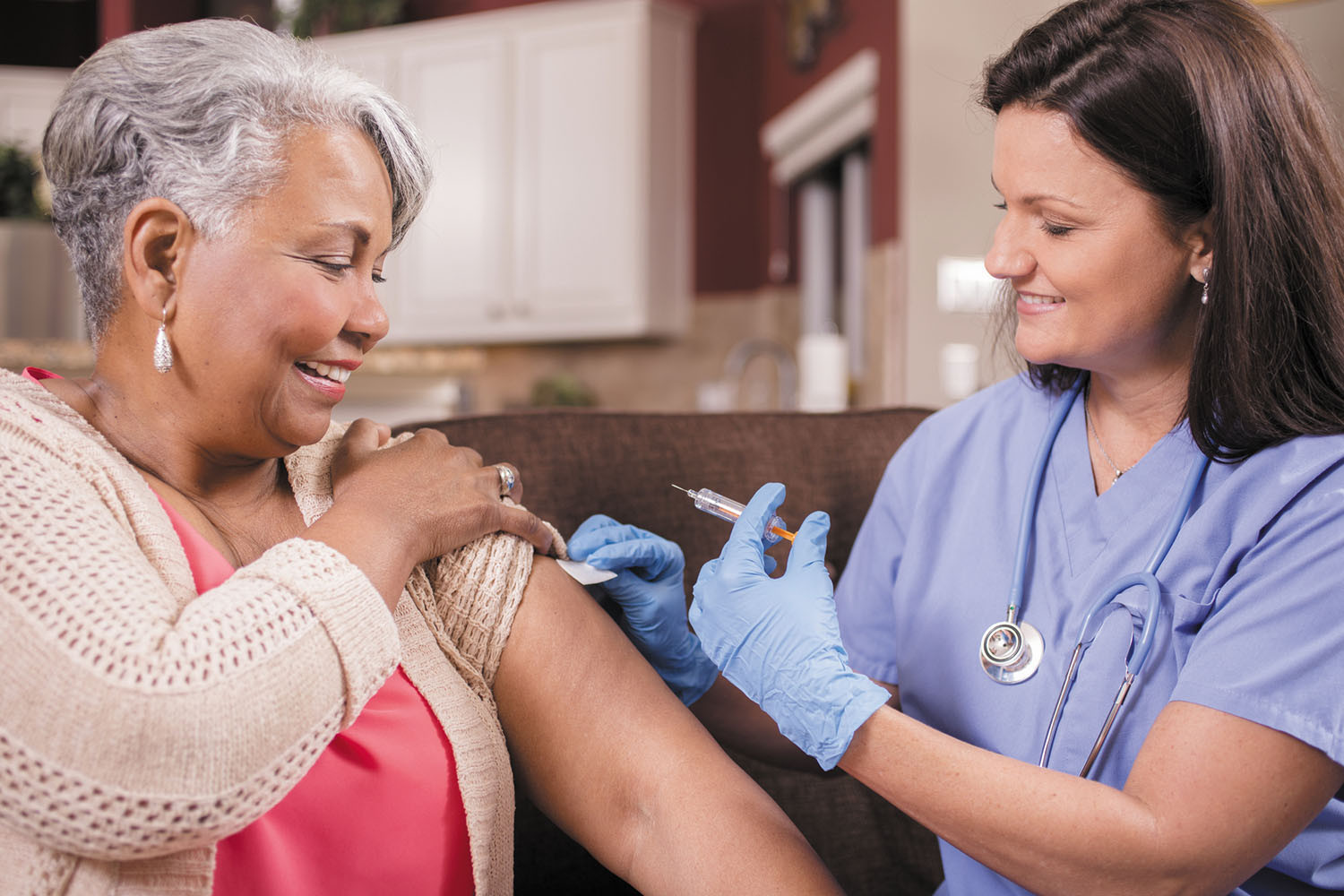


Shingles vaccine may also reduce stroke risk


A vaccine that can prevent shingles
Even a little exercise linked with lower stroke risk in people with afib
Testosterone therapy without evidence of deficiency may boost heart risk
Weight-loss drug may lower risk of heart attacks and infections
What to eat on the DASH diet
Migraine: How it's diagnosed and what that means
Tricep workouts you can do at home
Mindfulness practices to reduce stress and improve focus
Antihistamines may not offer meaningful relief from eczema symptoms
Overweight and taking blood pressure medications: Study finds it's a trend that's working
FDA approves first mRNA-based flu vaccine
Free Healthbeat Signup
Get the latest in health news delivered to your inbox!
Sign Up
