New thinking about plaque in arteries that feed the brain
Want to prevent shifting teeth? Maybe you need retainers

What you need to know about the new dietary guidelines
Food that’s healthier for people and planet can be cheaper, too

New evidence that polyphenol-rich foods help the heart

8 simple ways to reduce ultra-processed foods in your diet

How to curb your stress eating

How to spot Parkinson’s disease symptoms
Heart failure symptoms in women: How they’re different
GERD diet: Foods to avoid to reduce acid reflux
Vaccinations Archive
Articles

Flu vaccination: Win some, lose some
If you got the flu shot last year and it didn't work, don't reject vaccination.
During last year's battle of The People vs. Influenza, the virus gained the upper hand. Early in the 2014–15 flu season, a new strain of the virus emerged against which the existing vaccine offered virtually no protection. Hospitalizations for flu in older adults spiked to the highest level in a decade.

New shingles vaccine may work better, but with more side effects
Findings from a major clinical trial show that a new type of vaccine for shingles is much more effective than the existing vaccine in older people, although the new shot comes with more side effects.

Ask the doctor: I've already had shingles. Should I still get the shingles vaccine?
I had shingles in 2005 and haven?t had a shingles shot. I haven?t been able to find any studies that indicate whether a shot is feasible for people who have already had shingles. What do you recommend?

Ask the doctor: Two pneumonia shots are better than one
Q. I'm 68, and I had the pneumonia vaccine a few years ago. Now I hear that I need to have two different ones. Do I really need to do this?
A. For many years, men who turned 65 were told that they needed a single pneumonia shot, called Pneumovax. Now the CDC suggests that older adults get an additional vaccination with a different vaccine, called Prevnar. The combination stimulates the immune system more effectively than either alone.
The two vaccines build immunity against different types of the bacterium, known as pneumococcus, that causes pneumonia. Pneumovax (PPSV23) protects against 23 common types of pneumococcus. Prevnar (PCV13) protects against 13 types.
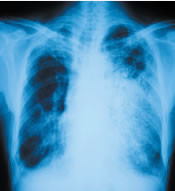
Heart attack risk rises after a bout of pneumonia
If you're hospitalized with pneumonia,your heart attack risk may rise in the following month. Image: Thinkstock |
If you're over 65, be sure to follow the latest pneumonia vaccine guidelines.
Each year, about a million people in the United States end up in the hospital with pneumonia, a serious lung infection that can be caused by an array of different viruses, bacteria, and even fungi. New research suggests that older people hospitalized with pneumonia face four times their usual risk of a having a heart attack or stroke or dying of heart disease in the month following the illness.
New thinking about plaque in arteries that feed the brain
Want to prevent shifting teeth? Maybe you need retainers
What you need to know about the new dietary guidelines
Food that’s healthier for people and planet can be cheaper, too
New evidence that polyphenol-rich foods help the heart
8 simple ways to reduce ultra-processed foods in your diet
How to curb your stress eating
How to spot Parkinson’s disease symptoms
Heart failure symptoms in women: How they’re different
GERD diet: Foods to avoid to reduce acid reflux
Free Healthbeat Signup
Get the latest in health news delivered to your inbox!
Sign Up