

Even a little exercise linked with lower stroke risk in people with afib

Testosterone therapy without evidence of deficiency may boost heart risk

Weight-loss drug may lower risk of heart attacks and infections

What to eat on the DASH diet

Migraine: How it's diagnosed and what that means

Tricep workouts you can do at home

Mindfulness practices to reduce stress and improve focus

Antihistamines may not offer meaningful relief from eczema symptoms

Overweight and taking blood pressure medications: Study finds it's a trend that's working

FDA approves first mRNA-based flu vaccine
Type 2 diabetes Archive
Articles
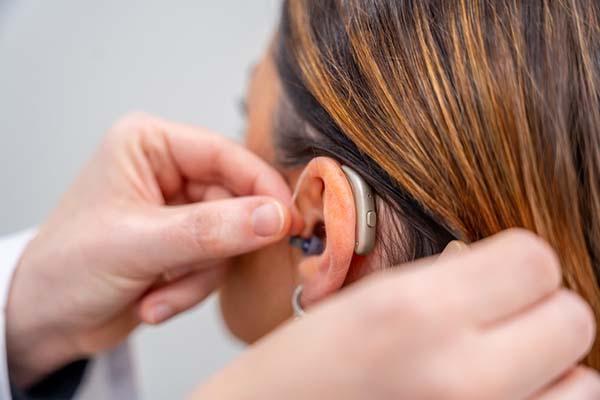
People with diabetes face higher risk of hearing loss
A 2025 analysis found hearing loss in 41% to 72% of people with diabetes, which was, on average, more than four times as often as in people without diabetes. People whose diabetes was less well controlled had greater hearing loss. Diabetes lasting 10 years or more doubled the risk.

Combining Mediterranean diet with other lifestyle changes offers extra protection against diabetes
In a 2025 study, people who followed a Mediterranean diet, reduced their calorie intake, exercised at least 150 minutes a week, and received weight-loss support lowered their diabetes risk and lost more weight than those who only followed a Mediterranean diet.

Exercise may lower risk of premature death among people with diabetes
A 2025 study suggested that people with diabetes who exercise regularly or in a "weekend warrior" pattern are significantly less likely to die earlier than peers who are inactive.

The case for watching your blood sugar
Being mindful of how various factors affect blood sugar levels can help people avoid fatigue, curb cravings, boost mood, and manage weight. Blood sugar spikes after people eat carbohydrate-heavy foods, soon dropping again. Eating balanced meals and snacks that include protein, fat, and carbohydrates can maintain more stable blood sugar levels. People can keep blood sugar levels consistent by timing meals, practicing portion control, prioritizing healthy foods, staying active, avoiding smoking, and keeping a food log.

Several risk factors in midlife may lead to dementia
Researchers have found that high blood pressure, diabetes, and smoking had the greatest association with the likelihood of a dementia diagnosis as people age. Managing these issues could offer protection.
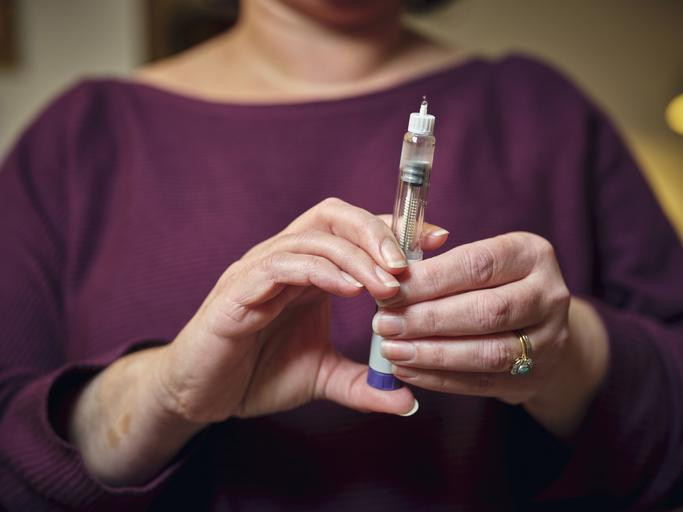
Do GLP-1 drugs reduce inflammation?
In a 2025 study of nearly a million people with diabetes, those who took GLP-1 drugs had a reduction of 10% to 20% in heart failure, cardiac arrest, lung failure and pneumonia, and dementia, compared with people who took other diabetes medications.

Exercising 150 minutes per week could help reverse prediabetes
People with prediabetes may be able to reduce their risk of developing type 2 diabetes with 150 minutes of moderate-intensity exercise per week, says a 2025 study. Exercise can help lower blood sugar and excess weight, the main risk factors for progression of prediabetes to type 2 diabetes.

Who's on your diabetes health care team?
Someone with a new diagnosis of diabetes might feel overwhelmed by the many strategies required to help control the disease. It helps to add several experts to the care team. Soon after a diagnosis, it's a good idea to schedule appointments with a dietitian, an eye doctor, an endocrinologist, and a certified diabetes educator. It's also helpful to add other experts as needed to the team, such as a physical therapist, a podiatrist, a social worker or an aging life care manager, and a certified health coach.

Modified DASH diet lowers blood pressure in people with diabetes
For people with diabetes, a modified version of the Dietary Approaches to Stop Hypertension (DASH) diet can lower their blood pressure. Called DASH4D, it has fewer carbohydrates, more unsaturated fat, and slightly reduced amounts of potassium.

Diabetes and obesity drug shows promise for fatty liver disease
Semaglutide, a GLP-1 agonist used to treat diabetes and obesity, may also help people with metabolic dysfunction-associated steatohepatitis, a severe stage of fatty liver disease, suggests a 2025 study.
Even a little exercise linked with lower stroke risk in people with afib
Testosterone therapy without evidence of deficiency may boost heart risk
Weight-loss drug may lower risk of heart attacks and infections
What to eat on the DASH diet
Migraine: How it's diagnosed and what that means
Tricep workouts you can do at home
Mindfulness practices to reduce stress and improve focus
Antihistamines may not offer meaningful relief from eczema symptoms
Overweight and taking blood pressure medications: Study finds it's a trend that's working
FDA approves first mRNA-based flu vaccine
Free Healthbeat Signup
Get the latest in health news delivered to your inbox!
Sign Up
