

Fatty liver disease: Should you be tested?

Weight-loss drug may lower risk of heart attacks and infections

Testosterone therapy without evidence of deficiency may boost heart risk

Even a little exercise linked with lower stroke risk in people with afib

Antihistamines may not offer meaningful relief from eczema symptoms

What to eat on the DASH diet

Tricep workouts you can do at home

FDA approves first mRNA-based flu vaccine

Migraine: How it's diagnosed and what that means

Mindfulness practices to reduce stress and improve focus
Social engagement and relationships Archive
Articles

Invisible illness: More than meets the eye
Invisible illnesses, meaning those that aren't obvious to other people, affect an estimated 10% of the 61 million Americans who have a physical or mental condition that limits their movement or senses. Some people fear disclosing their invisible illness will make them seem incapable or entitled, but keeping illness secret can lead to isolation. People who decide to disclose their hidden illness should keep descriptions simple, point others toward reputable information, tell people how the illness limits them, and seek support.

Supplements for three common conditions
If someone is unable to tolerate medications for high blood pressure, high cholesterol, or anxiety, supplements may be an option. Evidence shows that certain supplements may be effective for these conditions, if taken properly under the supervision of your doctor. But to ensure you are buying products that are both safe and effective, look for a quality seal on the label.

Is alcohol and weight loss surgery a risky combination?
For people with obesity, weight-loss surgery can reverse or greatly improve many serious health issues, but also leaves people more likely to develop an alcohol use disorder. A new study finds that one type of surgery may increase the dangers of drinking much more than other weight-loss strategies.

Is snuff really safer than smoking?
The FDA authorized a brand of smokeless tobacco to use language in its advertising claiming that using snuff reduces risk of lung cancer compared to smoking cigarettes. Technically this is true, but it's not the health advantage the product's maker would like consumers to think it is.

Adopting a Mediterranean-style diet, one meal at a time
The Mediterranean diet is touted for its health benefits, which include a reduced risk of cardiovascular disease, cancer, and potentially even improvements to the gut bacteria, which may reduce harmful inflammation inside the body. Making some simple changes to your current diet can help improve your health. These include switching to olive oil as the primary fat, eating more whole grains and less processed food and sugar and reducing red meat consumption. Whenever possible, base your daily diet on a base of vegetables, fruits and plant-based options.
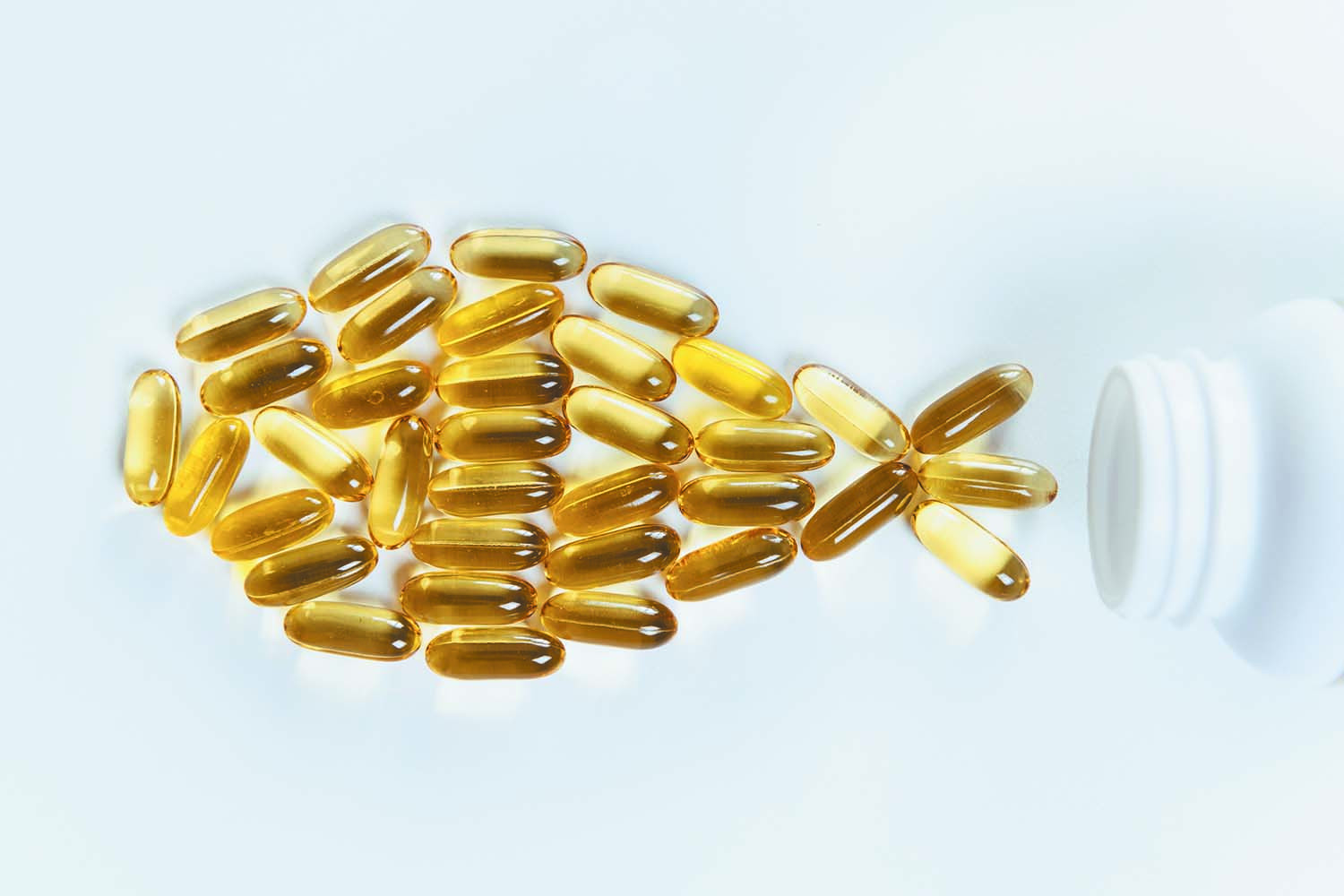
The questions about fish oil supplements
Some research says taking a daily fish oil supplement can reduce the risk of heart attacks and strokes, while other studies say the evidence remains thin. While fish oil is the best source of omega-3 fatty acids (essential nutrients that the body cannot make on its own), taking an over-the-counter fish oil supplement probably provides no extra heart benefit beyond a well-balanced diet that includes plenty of omega-3-rich fatty fish, nuts, and seeds.

Should you try fasting?
Intermittent fasting means that people avoid food for a designated amount of time each day. One of the most popular approaches is called 16/8. People eat during an eight-hour period—for example from noon to 8 p.m.— followed by 16 hours of fasting, in this case from 8 p.m. until noon the next day, when the pattern repeats. While science does not yet know the long-term benefits of intermittent fasting, initial short-term research has suggested the practice may help lower cholesterol, blood pressure, and weight, among other health benefits.

The power of protein
During his lifetime, a man loses about 30% of his muscle mass. Older men can maintain and even regain muscle by combining regular weight training and a proper diet, including adequate amounts of protein. Research suggests that to help counter lost muscle mass, healthy older adults need 1.2 grams of protein for every kilogram of body weight per day. This is calculated by dividing a person's weight in pounds by 2.2 and then multiplying by 1.2.


Fatty liver disease: Should you be tested?
Weight-loss drug may lower risk of heart attacks and infections
Testosterone therapy without evidence of deficiency may boost heart risk
Even a little exercise linked with lower stroke risk in people with afib
Antihistamines may not offer meaningful relief from eczema symptoms
What to eat on the DASH diet
Tricep workouts you can do at home
FDA approves first mRNA-based flu vaccine
Migraine: How it's diagnosed and what that means
Mindfulness practices to reduce stress and improve focus
Free Healthbeat Signup
Get the latest in health news delivered to your inbox!
Sign Up
