

Fatty liver disease: Should you be tested?

Weight-loss drug may lower risk of heart attacks and infections

Testosterone therapy without evidence of deficiency may boost heart risk

Even a little exercise linked with lower stroke risk in people with afib

Antihistamines may not offer meaningful relief from eczema symptoms

What to eat on the DASH diet

Tricep workouts you can do at home

FDA approves first mRNA-based flu vaccine

Migraine: How it's diagnosed and what that means

Mindfulness practices to reduce stress and improve focus
Social engagement and relationships Archive
Articles

5 ways to fight loneliness and isolation
Act now to avoid potential dangers associated with solitary living, such as coronary artery disease, stroke, and thinking skills decline.
Image: iStock
One lovely picture of older age is of smiling seniors enjoying their golden years with partners, friends, and family. In reality, many seniors are isolated and lonely. The National Council on Aging reports that one in six adults ages 65 or older is isolated, either socially or geographically. And in a 2010 AARP survey, 25% of respondents ages 70 or older said they felt lonely.
Health risks
Simple steps to connect
Fighting back against loneliness and isolation takes planning and effort. Consider the following strategies.
1. Reach out to family and friends, even if it's just with a phone call or a video call (using a computer program or smartphone app to actually see the person you're talking with). "Virtual connections are still connections," says Dr. Miller. "Even a quick text or seeing someone's face on a screen can improve your well-being." Make contact with someone a regular part of your day, like taking medicine or exercising.
2. Have no transportation? Take advantage of driver services through a retirement center or a government-sponsored affordable ride program, so you can get out of your house. The U.S. Administration on Aging can refer you to transportation opportunities in your area. For more information, call 800-677-1116 or go to www.eldercare.gov.
3. Join a club that interests you (a book club, a jazz club, a collectors club), or a spiritual community (a church, mosque, or synagogue). Or become a volunteer at an organization you support.
"When you're alone, you focus too much on yourself and dwell on regrets or worries. When you're with other people, you turn your focus outward. When you're thinking less about yourself, you're worrying less about yourself," says Dr. Miller.
4. Get a pet, if you are physically and mentally able to care for it; pets make wonderful companions, and they provide many emotional and physical benefits.
5. Sign up for visits by volunteers from senior centers or for Meals on Wheels, which also has a visitors program. "Simply having conversations with people will stimulate your brain and make you feel better," says Dr. Miller.
Are you at risk for loneliness or isolation?Isolation is a risk factor for loneliness. "There's no hard-and-fast rule that everyone needs to be involved with others all the time, but we tend to feel better when we're with others, and we may feel worse if we're often alone," says Dr. Michael Craig Miller, a Harvard Medical School assistant professor of psychiatry. What causes isolation? Risk factors include living alone, without family support; having a disability; struggling with language barriers; and facing geographical challenges—such as living in a rural area or not having transportation—that keep you from accessing benefits. |

Caregivers: Remember your own health
It appears that caregivers of people who spend a week or more on an ICU ventilator have a high risk for developing clinical depression that can last up to a year after the ICU survivor is discharged.

More evidence that a healthy lifestyle might help prevent cancer
It appears that four healthy habits—getting 150 minutes of moderate-intensity exercise per week, maintaining a body mass index between 18.5 and 27.5, no smoking, and drinking only in moderation—may prevent many cancer cases and death in white people.

Will the food industry ease up on salt?
On June 1, 2016, the FDA proposed voluntary guidelines for short- and long-term goals to cut sodium in commercially processed and prepared food.
Depression in men: Getting the right treatment
Dr. Terry Schraeder talks with Dr. Michael Miller about the symptoms of depression in men and getting over the gender hurdles to find the right treatment.
Where to go when you get sick
Do you know where to go when you get sick? If you can't see your own doctor, you might go to a retail clinic, urgent care, or the ER, depending on the situation. Dr. Terry Schraeder explains the difference and where to best seek the help you need.
Strategies for taking medications
Doctors may prescribe medications in hopes of helping a patient, but statistics show that at least half of all patients do not follow through with the treatment. Dr. Robert Schmerling explains why some people are choosing to skip taking medications and the possible results of not taking them.
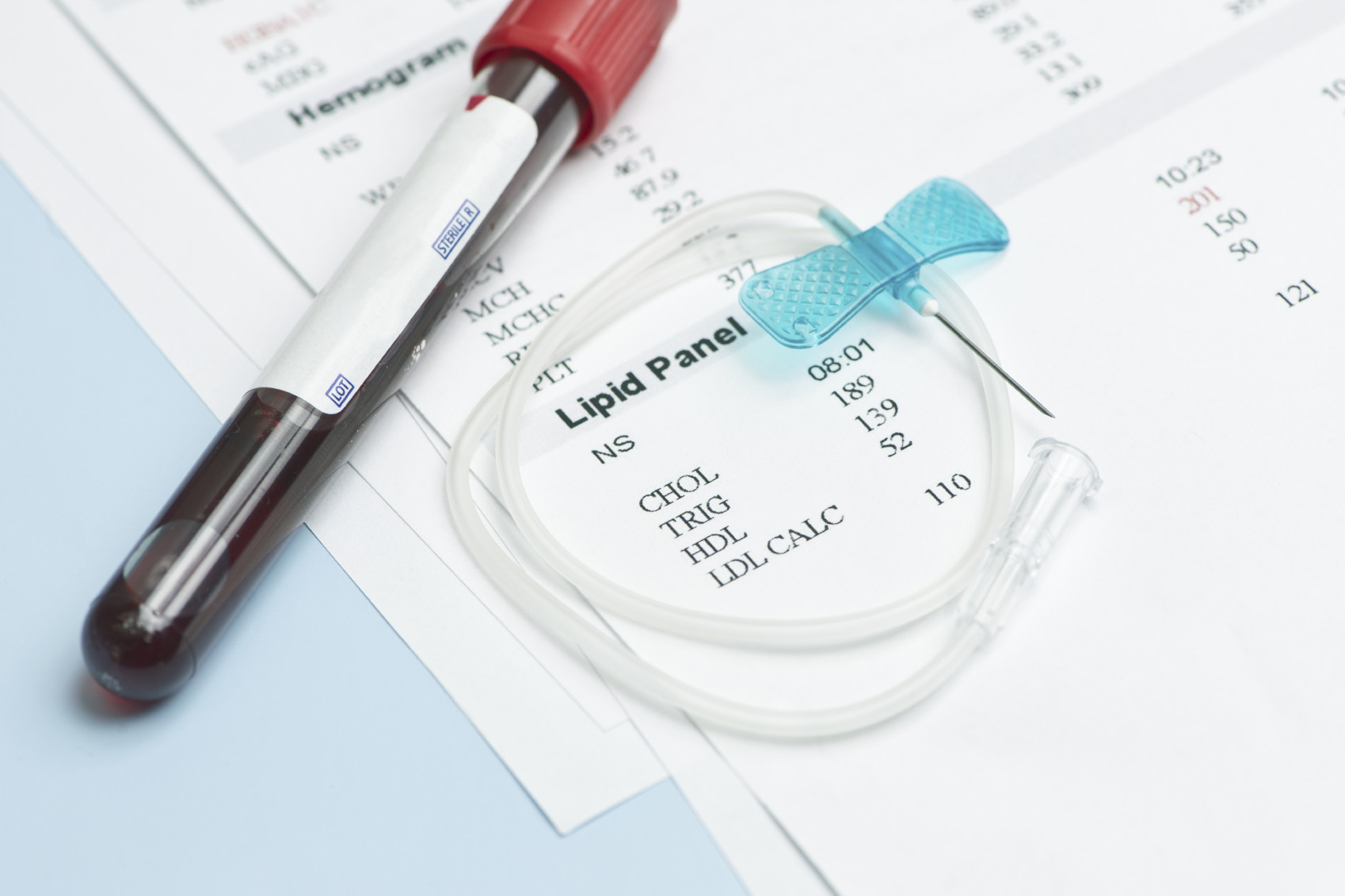

Your blood work, on the edge of normal
What to do when routine test results are at the high or low end of the acceptable range.
Catching early changes in blood work may help prevent chronic disease, such as diabetes.
Image: Ca-ssis/Thinkstock
As a smart medical consumer, you know it's important to look over the results of your routine blood work, even when the numbers are all within the normal range. But what if you notice that some results are at the high or low end of that range? Should you be concerned about this?

Is an underlying condition causing your fuzzy thinking?
The top five causes you may be overlooking.
Image: the-lightwriter/iStock
You know the feeling: you can't find a particular word, remember someone's name, or concentrate the way you once did. Is it just aging, or is something else to blame? "It's easy to underestimate how underlying conditions affect memory and thinking, and they are often overlooked," says Dr. Shreya Raj, a neuropsychiatrist with the Center for Brain/Mind Medicine at Harvard-affiliated Brigham and Women's Hospital.
Common causes
What you should do
When trouble with concentration or memory interferes with your day, it's probably time to talk to your primary care doctor. Report any additional symptoms you may be having, such as fatigue, muscle weakness, sadness, daytime sleepiness, or anxiety. You might need some blood tests to check your thyroid hormones or B12 levels (neither test is ordered routinely), or a sleep test if you have sleep apnea symptoms.
Often, treating an underlying condition can restore your clarity of thinking. "When we treat depression or sleep apnea, for example, we see a sudden improvement in memory and focus," says Dr. Raj. "And if a medication side effect is the problem, changing the dose or type of drug may resolve the problem."
If treating an underlying condition doesn't sharpen thinking skills, your doctor may refer you to a neuropsychologist for formal tests of your thinking ability, particularly signs of dementia. Most of the time, however, people with fuzzy thinking do not have dementia.
Fuzz bustersWhen you're struggling with fuzzy thinking, lifestyle changes like these can bring more clarity. Get more sleep. Aim for seven to eight hours of sleep per night. "Older adults to tend to sleep less, but if you're getting too little sleep, you won't think as sharply as you could," says Dr. Shreya Raj. Boost your Z's by going to sleep and waking at the same time each day, and avoiding caffeine, particularly after noon. Exercise more. Try to get 150 minutes of moderate-intensity activity per week, such as brisk walking. You'll get more sleep and boost blood flow to the brain. Many studies have shown that aerobic exercise in particular improves thinking skills. Change your diet. "Not eating healthfully makes you more sluggish, even in thinking. Studies have shown the Mediterranean diet may improve cognitive function," says Dr. Raj. The diet includes fresh vegetables and fruits; whole grains; olive oil; nuts; legumes; fish; moderate amounts of poultry, eggs, and dairy; moderate amounts of red wine; and red meat only sparingly. Image: JackF/Thinkstock |
Fatty liver disease: Should you be tested?
Weight-loss drug may lower risk of heart attacks and infections
Testosterone therapy without evidence of deficiency may boost heart risk
Even a little exercise linked with lower stroke risk in people with afib
Antihistamines may not offer meaningful relief from eczema symptoms
What to eat on the DASH diet
Tricep workouts you can do at home
FDA approves first mRNA-based flu vaccine
Migraine: How it's diagnosed and what that means
Mindfulness practices to reduce stress and improve focus
Free Healthbeat Signup
Get the latest in health news delivered to your inbox!
Sign Up
