

Fatty liver disease: Should you be tested?

Weight-loss drug may lower risk of heart attacks and infections

Testosterone therapy without evidence of deficiency may boost heart risk

Even a little exercise linked with lower stroke risk in people with afib

Antihistamines may not offer meaningful relief from eczema symptoms

What to eat on the DASH diet

Tricep workouts you can do at home

FDA approves first mRNA-based flu vaccine

Migraine: How it's diagnosed and what that means

Mindfulness practices to reduce stress and improve focus
Social engagement and relationships Archive
Articles

The secret to happiness? Here’s some advice from the longest-running study on happiness
While it’s true that one’s inclination to happiness is partially inherited, an individual’s choices and behaviors also contribute significantly, and research has found that the happiest people all have certain traits in common.
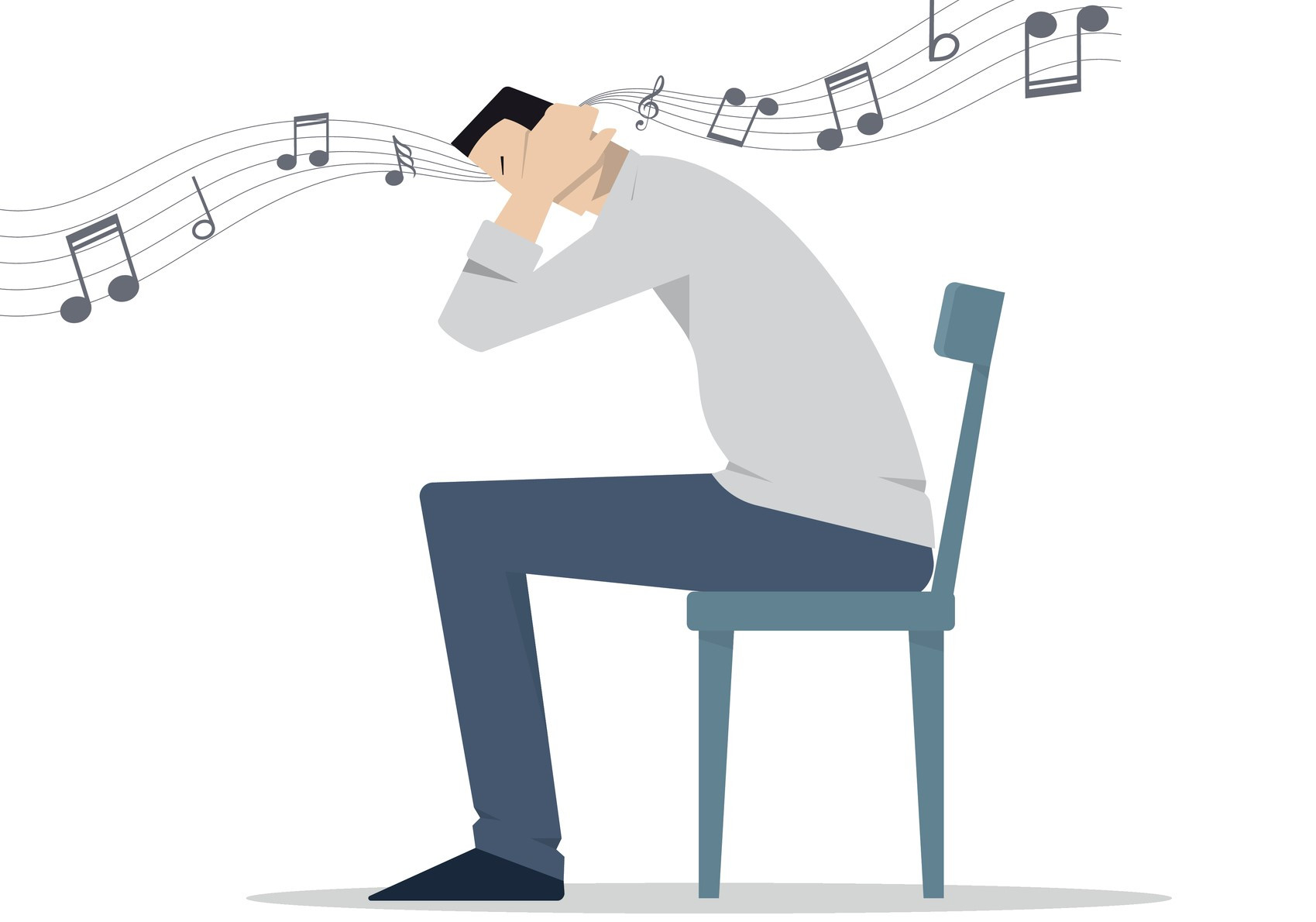
Why you can’t get a song out of your head and what to do about it
The experience of having an “earworm”—a song that’s stuck in your head—is extremely common. But why do they happen? And how do you get rid of one?
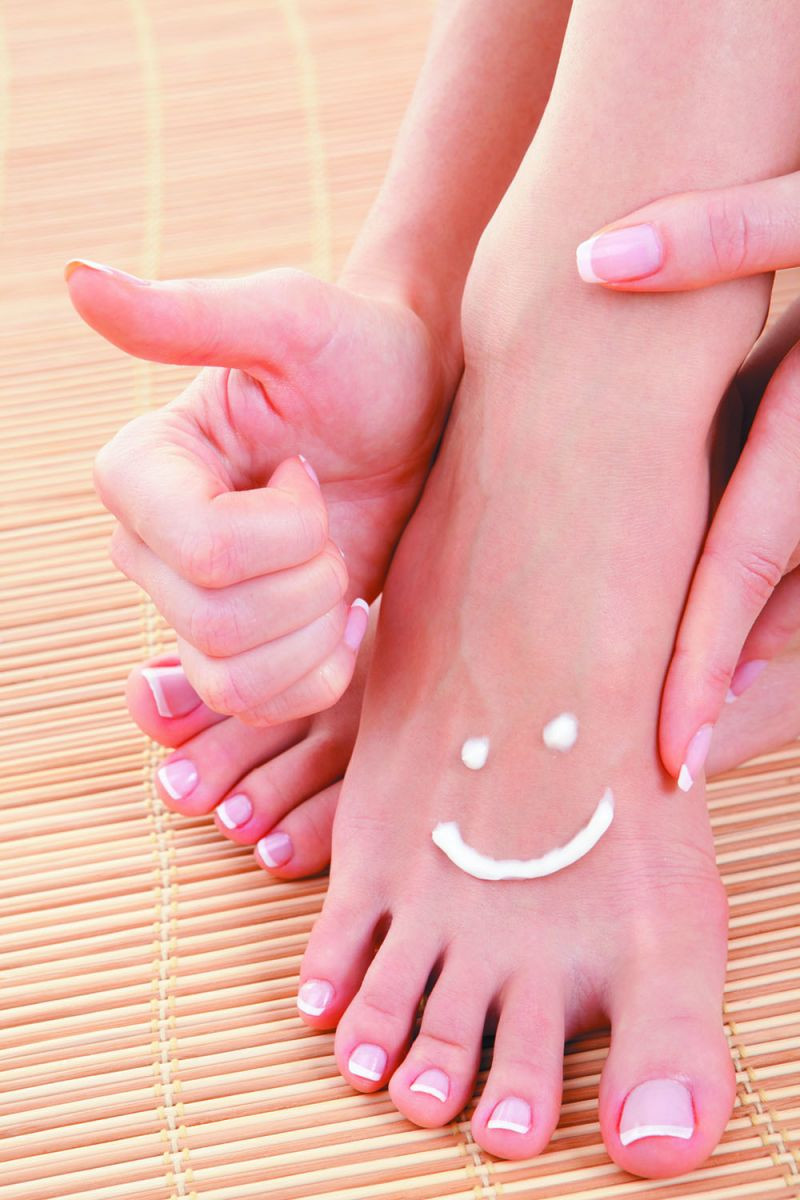
7 ways to safeguard your feet
Stay ahead of foot problems by inspecting your feet regularly, keeping them flexible, and wearing the right shoes.
Feet are the unsung heroes of mobility, and it's crucial to keep them healthy. Even minor problems with your feet — such as an ingrown toenail or a small cut — can leave you sidelined. "Breaches of the skin can quickly become problems, whether it's a scrape, ulcer, or blister that gets contaminated or becomes infected," says Dr. Christopher DiGiovanni, chief of foot and ankle surgery at Harvard-affiliated Massachusetts General Hospital.
Be proactive, and care for your feet the way you'd maintain any valuable equipment you rely on for mobility. Here are seven ideas to help.

Better balance: Activities to keep you on an even keel
Sports, walking, and stair climbing may boost balance and keep a stumble from turning into a bad fall.
When you want to improve your balance and reduce the risk of falls, you might turn to a physical therapist for an evaluation and special exercises. But sometimes other types of physical activity can do the job. "People are surprised at how adding just a little extra activity can make a big difference with their balance," says Joy Orpin, a physical therapist at Harvard-affiliated Massachusetts General Hospital.
Balance problems
Balance impairment may be linked to changes in vision or muscle strength, joint stiffness or pain, inner ear problems, or decreased sensation due to joint surgery, ankle sprains, or neuropathy (nerve damage that causes numbness or burning, especially in the feet). Other contributors to poor balance include a sedentary lifestyle or medication side effects.

Pulse power: Easy ways to make plant-based proteins a regular part of your diet
Beans, lentils, chickpeas, and other "pulses" are loaded with protein, fiber, and other nutrients.
Image: © mikafotostok/Thinkstock
Legumes are great sources of protein for those on a meat-free diet. Lately one branch of the legume family has been in the international spotlight. "Pulses" are legumes that are harvested for their dried seeds, such as chickpeas (garbanzo beans), lentils, and dried peas and beans. They're such an important protein source that the United Nations declared 2016 the International Year of the Pulses.
"When we as nutritionists talk about beans, most of them are pulses — kidney beans, navy beans, black beans, broad beans, lima beans, butter beans — there are quite a few," says registered dietitian Kathy McManus, director of the Department of Nutrition at Harvard-affiliated Brigham and Women's Hospital. By contrast, legumes such as soybeans, peanuts, peapods, and green beans don't count as pulses.

Harvard study: It’s not too late to start a healthy diet
News briefs
Image: © Jonathan Ross/Thinkstock
If you haven't been good about eating a healthy diet, take heart: A Harvard study published July 13, 2017, in The New England Journal of Medicine found that changing to one of three scientifically developed healthy eating programs was associated with longer life. The healthy diets included the Alternate Healthy Eating Index, the Alternate Mediterranean Diet, and the Dietary Approaches to Stop Hypertension (DASH) diet. Scientists looked at self-reported diet and health data from nearly 74,000 healthy men and women who significantly improved their diets and maintained them for 12 years. Scientists then looked at participants' risk of death for another 12 years. The results: people who improved their diet the most were up to 17% less likely to die, whereas those whose diets worsened the most were up to 14% more likely to die. This study strongly indicates that improving your diet, even if you start in middle age, can add years to your life — and vice versa. If you're re-evaluating your diet, check out the Harvard Special Health Report Healthy Eating for a Healthy Heart (www.health.harvard.edu/HEHH).

Does drinking java lengthen your life?
News briefs
Image: © moodboard/Thinkstock
As we reported in May 2016, regularly drinking coffee is associated with lower blood pressure, less weight gain with aging, and less chance of developing type 2 diabetes or dying from cardiovascular or neurological diseases. Now a pair of 16-year studies published July 10, 2017, in Annals of Internal Medicine link coffee drinking with longevity. One study analyzed the coffee consumption of more than 520,000 men and women. People who drank three or more cups of coffee per day — either caffeinated or decaffeinated — were up to 12% less likely to die during the study, compared with people who didn't drink coffee. The other study involved more than 185,000 middle-age or older coffee drinkers who were African American, Native Hawaiian, Japanese American, Latino, or white. Those who drank four or more cups per day were 18% less likely to die for any reason during the study period compared with nondrinkers. This was the first large study of coffee drinking and longevity that included a racially and ethnically diverse group of people. The findings from these studies suggest, but don't prove, that regular coffee drinking helps you live longer. The beneficial effect of coffee seemed to plateau at more than four cups per day.

Anxiety and heart disease: A complex connection
A little bit of worry and stress is normal — even beneficial. But chronic anxiety may raise your risk for heart problems.
Image: © grinvalds/Thinkstock
If you feel anxious now and then, that's perfectly normal. In fact, worrying can spur you to take positive action that may benefit your health, such as getting screening tests or doing regular exercise. But excessive worrying can have the opposite effect.
"Small amounts of anxiety and stress can push people to be more productive. The problem happens when anxiety becomes so overwhelming that you're unable to function normally," says Dr. Christopher Celano, a psychiatrist at the Cardiac Psychiatry Research Program at Harvard-affiliated Massachusetts General Hospital. That level of worry and stress may represent an anxiety disorder, a group of conditions that affect some 40 million adults in this country.

Does drinking coffee offer health benefits?
On call
Image: © ktasimarr/Thinkstock
Q. I keep hearing about how great coffee is for your health. Is this just hype, or are there real benefits?
A. Multiple studies have associated drinking coffee with reduced rates of diseases, such as diabetes, kidney stones, and dementia. However, just because people who drink coffee appear to get certain health benefits, these types of studies don't prove that the coffee itself is the reason.

Men (back) at work
Recreating the workplace dynamics helps older men strengthen their social bonding and thinking skills.
<Image: © Highwaystarz-Photography/Thinkstock/p>
Men who retire are often happy to leave behind their work life, but one aspect they still need is the workplace's packlike male bonding. Group lunches, team projects, watercooler banter — all these help men establish social connections that keep their brains and bodies active and healthy.
"Women tend to make friends across their life span, while men acquire friends in clumps through shared experiences like sports, the military, and work," says Dr. Richard S. Schwartz, a psychiatrist with Harvard-affiliated McLean Hospital. "When one source is eliminated, men tend to lose some of those friends over time and have to find other ways to connect with people and fill those missing gaps."
Fatty liver disease: Should you be tested?
Weight-loss drug may lower risk of heart attacks and infections
Testosterone therapy without evidence of deficiency may boost heart risk
Even a little exercise linked with lower stroke risk in people with afib
Antihistamines may not offer meaningful relief from eczema symptoms
What to eat on the DASH diet
Tricep workouts you can do at home
FDA approves first mRNA-based flu vaccine
Migraine: How it's diagnosed and what that means
Mindfulness practices to reduce stress and improve focus
Free Healthbeat Signup
Get the latest in health news delivered to your inbox!
Sign Up
