
Tai chi walking: What is it and does it work?

Fatty liver disease: Should you be tested?

Weight-loss drug may lower risk of heart attacks and infections

Testosterone therapy without evidence of deficiency may boost heart risk

Even a little exercise linked with lower stroke risk in people with afib

Antihistamines may not offer meaningful relief from eczema symptoms

What to eat on the DASH diet

FDA approves first mRNA-based flu vaccine

Migraine: How it's diagnosed and what that means

Mindfulness practices to reduce stress and improve focus
Social engagement and relationships Archive
Articles

You don't say? The yarn on yawning
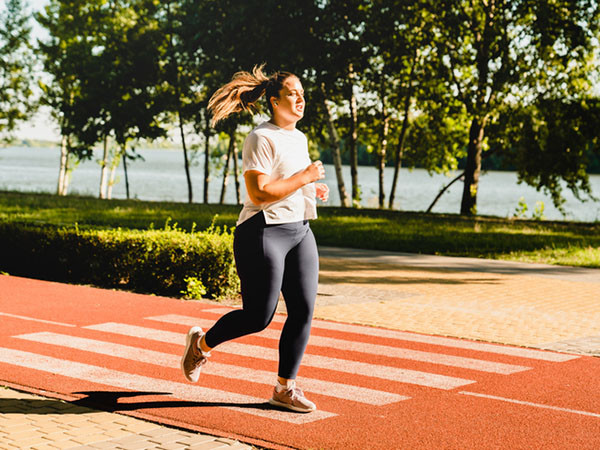
Exercise, metabolism, and weight: New research from The Biggest Loser
Studies of contestants from the TV show The Biggest Loser found that due to changes in metabolism, people who have lost large amounts of weight have to follow an extremely low-calorie diet in order to maintain the weight loss. Subsequent research indicates that these metabolic changes are related to calorie restriction while weight is being lost, but later become a function of sustained physical activity.

Tics and TikTok: Can social media trigger illness?
For hundreds of years there have been documented instances of groups of people developing similar, medically inexplicable, and sometimes bizarre symptoms, such as paralysis, involuntary tics, or uncontrollable laughter. Known as sociogenic illness, a recent example appears to be fueled by social media postings—meaning physical proximity is no longer a factor.

4 immune-boosting strategies that count right now
With colds, flu, and COVID variants circulating, keeping your immune system healthy is even more important. Advertising would have you believe that some supplement or other is the key to protecting yourself from getting sick, but the best strategies to protect yourself involve common sense and simple steps.

Minimizing successes and magnifying failures? Change your distorted thinking
Sometimes we find ourselves in a situation where we question our own abilities, minimize our successes, and overemphasize what we perceive to be our failures. When this happens, it's helpful to try to view the situation more clearly and from a more balanced point of view. This takes practice, but the process starts with awareness.

Are poinsettias, mistletoe, or holly plants dangerous?
It's commonly believed that poinsettia plants are poisonous, but are they? If they are dangerous, what can happen if some is ingested? What about other popular holiday-season plants like mistletoe or holly? If you have any of these in your home, what should you know about them?

Waiting for motivation to strike? Try rethinking that
We all know that motivation is key to accomplishing our goals, but even if you have a much-desired goal in mind, it's too easy for motivation to dissipate. Before setting a goal, it's critical to identify why it is important to you, to create a detailed plan that outlines how you will achieve it, and to make a to-do list so you can track your progress.

Recommendation calls for earlier diabetes screening in people who are overweight
According to a new recommendation from the US Preventive Services Task force, diabetes screening should begin age 35 for people who are overweight, defined as a body mass index (BMI) of 25 or greater.

Treating low vitamin D levels may help people live longer
Treating people who have low levels of vitamin D with supplements may reduce their risk for heart attacks and death from any cause.
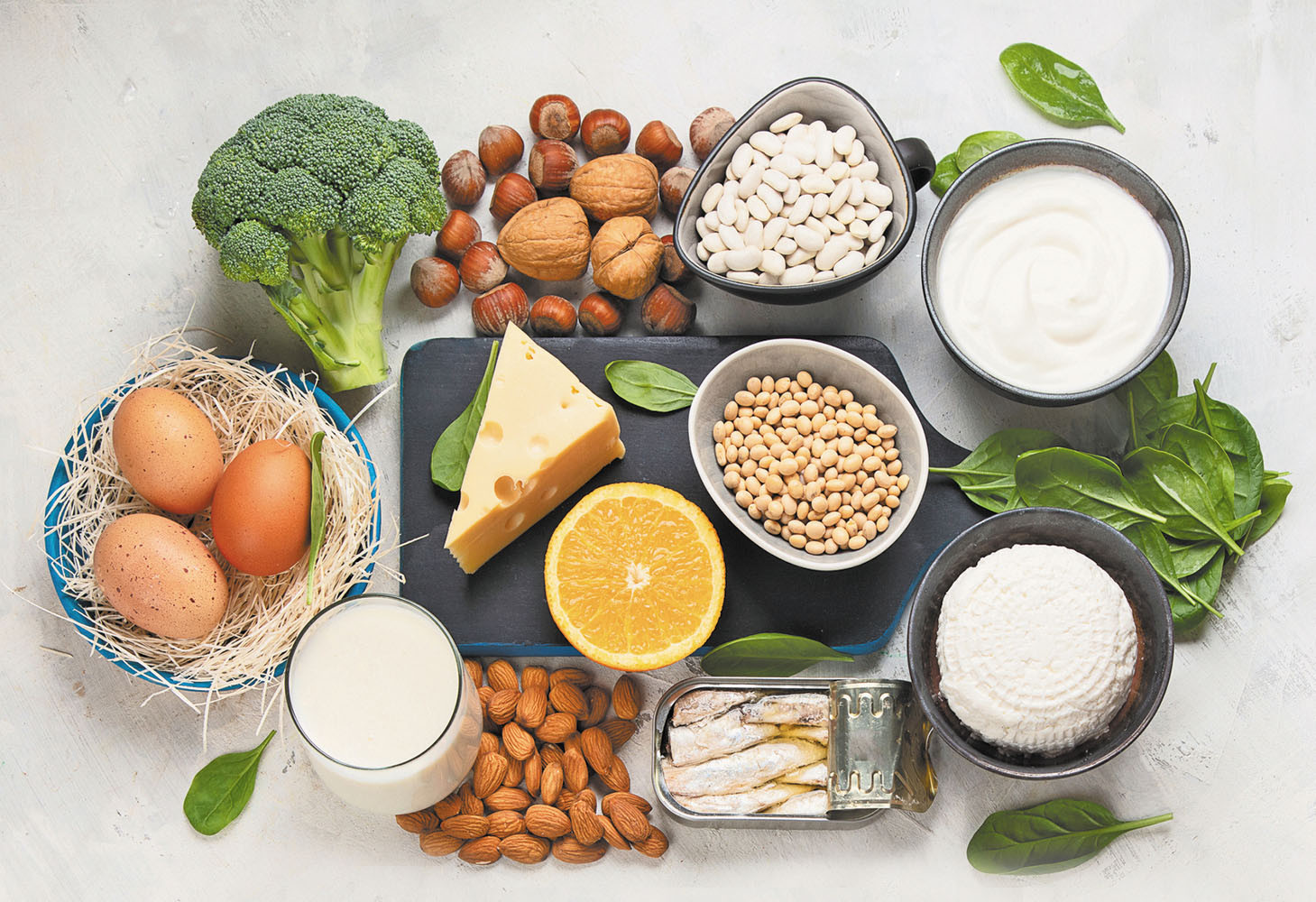
Essential nutrients your body needs for building bone
Older adults must pay special attention to their intakes of calcium, vitamin D, and protein. These important nutrients are crucial for maintaining bone health. Doctors say it's probably best to take a supplement to get enough vitamin D. Calcium and protein are best when they come from foods, such as canned salmon with bones, sardines, beans, dairy products (cheese, yogurt, cottage cheese, milk), leafy greens, or nuts. Other important nutrients for bone health, such as magnesium, phosphorous, and potassium, can be obtained by simply eating a diet rich in fruits, vegetables, legumes, nuts, seeds, and lean proteins.
Tai chi walking: What is it and does it work?
Fatty liver disease: Should you be tested?
Weight-loss drug may lower risk of heart attacks and infections
Testosterone therapy without evidence of deficiency may boost heart risk
Even a little exercise linked with lower stroke risk in people with afib
Antihistamines may not offer meaningful relief from eczema symptoms
What to eat on the DASH diet
FDA approves first mRNA-based flu vaccine
Migraine: How it's diagnosed and what that means
Mindfulness practices to reduce stress and improve focus
Free Healthbeat Signup
Get the latest in health news delivered to your inbox!
Sign Up
