

Even a little exercise linked with lower stroke risk in people with afib

Testosterone therapy without evidence of deficiency may boost heart risk

Weight-loss drug may lower risk of heart attacks and infections

What to eat on the DASH diet

Migraine: How it's diagnosed and what that means

Tricep workouts you can do at home

Mindfulness practices to reduce stress and improve focus

Antihistamines may not offer meaningful relief from eczema symptoms

Overweight and taking blood pressure medications: Study finds it's a trend that's working

FDA approves first mRNA-based flu vaccine
Sleep Archive
Articles

Encouraging news for former smokers
A 2022 study of 160,000 former smokers, followed for about 20 years, found that those who were the most diligent about living a healthy lifestyle had a 27% lower risk of dying during the study period, compared with those who didn't live a healthy lifestyle.

Does one healthy habit make up for a poor one?
A 2022 study of 350,000 healthy people found no evidence that high levels of physical activity fully offset the harmful effects of a low-quality diet, or that a high-quality diet fully offsets a lack of exercise.

Should you hire a medical wingman?
When navigating the health care system becomes challenging, a number of professionals can help. Some, such as home care aides or certified nursing assistants, can assist with errands such as getting to the doctor and picking up medications. Others, such as Aging Life Care Professionals or patient advocates, can develop and run a person's overall care plan, negotiate with insurance companies, arrange to pay medical bills, research treatment options, hire and manage home care helpers, and more.

Are your medications keeping you up at night?
Many medications can affect sleep. These include prescription drugs as well as over-the-counter remedies. For example, decongestants, certain antidepressants, or beta blockers can make it hard to fall or stay asleep, and nicotine replacement medications can cause a person to have nightmares. Strategies to avoid drug-related sleep problems include taking the medication during the day, taking a lower dose, practicing good sleep hygiene (such as going to bed and waking up at the same time each day), or switching to a new medication.

Engage your heart and brain, even when you're sitting
Sitting too much is bad for health. But there are ways to make time spent seated a little healthier. For example, people can keep their brains active by reading, writing, doing a hobby (such as knitting), or playing an instrument. And people can exercise while in a seated position. It's possible to do an aerobic workout that gets the heart and lungs pumping, such as a seated dance routine or calisthenics, as well as muscle-strengthening activities or stretching exercises.
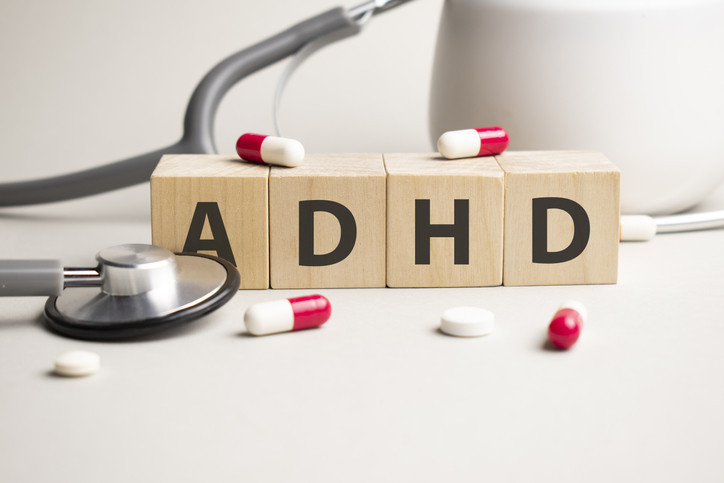
Attention deficit disorder linked to higher heart disease risk
People with attention-deficit hyperactivity disorder, a condition marked by trouble focusing and impulsive behavior, may be more likely to have cardiovascular disease that people without the disorder.

What is an annual wellness visit?
The routine yearly medical check-up is now more often referred to as the annual wellness visit, which allows people to formulate detailed health goals with their doctor and design plans to meet them, as well as assess the possibility of life-changing events, like heart attack, stroke, and cancer.

Kidney health quick-start guide
Unhealthy lifestyle habits, chronic diseases, and genetic conditions can damage the kidneys and reduce their ability to do their many jobs. But many precautions can help protect the kidneys. Examples include controlling diabetes; lowering high blood pressure; moderating intake of salt, alcohol, and protein; limiting intake of oxalate-rich foods such as spinach, almonds, or cashews; losing weight; stopping smoking; exercising regularly; staying hydrated; limiting the use of nonsteroidal anti-inflammatory drugs (NSAIDs); and getting annual kidney function tests.

What's the future of remote patient monitoring?
The miniaturization of electronics is leading to the development of next-generation devices to monitor health. People today are using various devices (typically smart watches) to measure their heart rate, the regularity of their heart rhythm, the quality of their sleep, their body temperature, and the levels of oxygen and sugar in their blood. And scientists are working on other devices—such as a thin strip of material that is pasted onto the skin—to constantly measure blood pressure, organ function, or certain body chemicals.

Want to stay healthy over the holidays?
Another holiday season is here, and this year we need to contend with other viruses besides COVID-19. Three Harvard experts share their thoughts on the best ways to keep ourselves and our family members healthy as we celebrate holidays together.
Even a little exercise linked with lower stroke risk in people with afib
Testosterone therapy without evidence of deficiency may boost heart risk
Weight-loss drug may lower risk of heart attacks and infections
What to eat on the DASH diet
Migraine: How it's diagnosed and what that means
Tricep workouts you can do at home
Mindfulness practices to reduce stress and improve focus
Antihistamines may not offer meaningful relief from eczema symptoms
Overweight and taking blood pressure medications: Study finds it's a trend that's working
FDA approves first mRNA-based flu vaccine
Free Healthbeat Signup
Get the latest in health news delivered to your inbox!
Sign Up
