

Even a little exercise linked with lower stroke risk in people with afib

Testosterone therapy without evidence of deficiency may boost heart risk

Weight-loss drug may lower risk of heart attacks and infections

What to eat on the DASH diet

Migraine: How it's diagnosed and what that means

Tricep workouts you can do at home

Mindfulness practices to reduce stress and improve focus

Antihistamines may not offer meaningful relief from eczema symptoms

Overweight and taking blood pressure medications: Study finds it's a trend that's working

FDA approves first mRNA-based flu vaccine
Sleep Archive
Articles

Don't want to go to bed? Dealing with bedtime procrastination
Bedtime procrastination often interferes with getting sufficient quality sleep, which is a pillar of good health. If you are guilty of staying up too late, there are things you can do to try to change your behavior.

Americans' use of prescription sleep medications drops dramatically
A 2022 study found a 31% reduction in Americans' use of prescription sleep aids from 2013 to 2018. The drop-off was even sharper among people 80 and older, who were 86% less likely to use FDA-approved sleep drugs by the end of the study period.

Do fermented foods live up to the hype?
Fermented foods and drinks such as kimchi, kombucha, and tempeh are increasingly popular, adding to mainstays such as yogurt, sauerkraut, and beer. Heat and bright lights during manufacturing can destroy some beneficial probiotics. Fermented products can ease digestion, dampen inflammation, boost nutrient absorption, and battle harmful bacteria. People should look for product labels that say "live and active cultures" and avoid shelf-stable versions, which don't contain probiotics.

Muscle pain in statin users is probably not caused by the drug
While muscle pain is a possible side effect of taking statins, most discomfort is not caused by the drug, but most likely a "nocebo effect" where negative expectations can lead to perceived side effects.
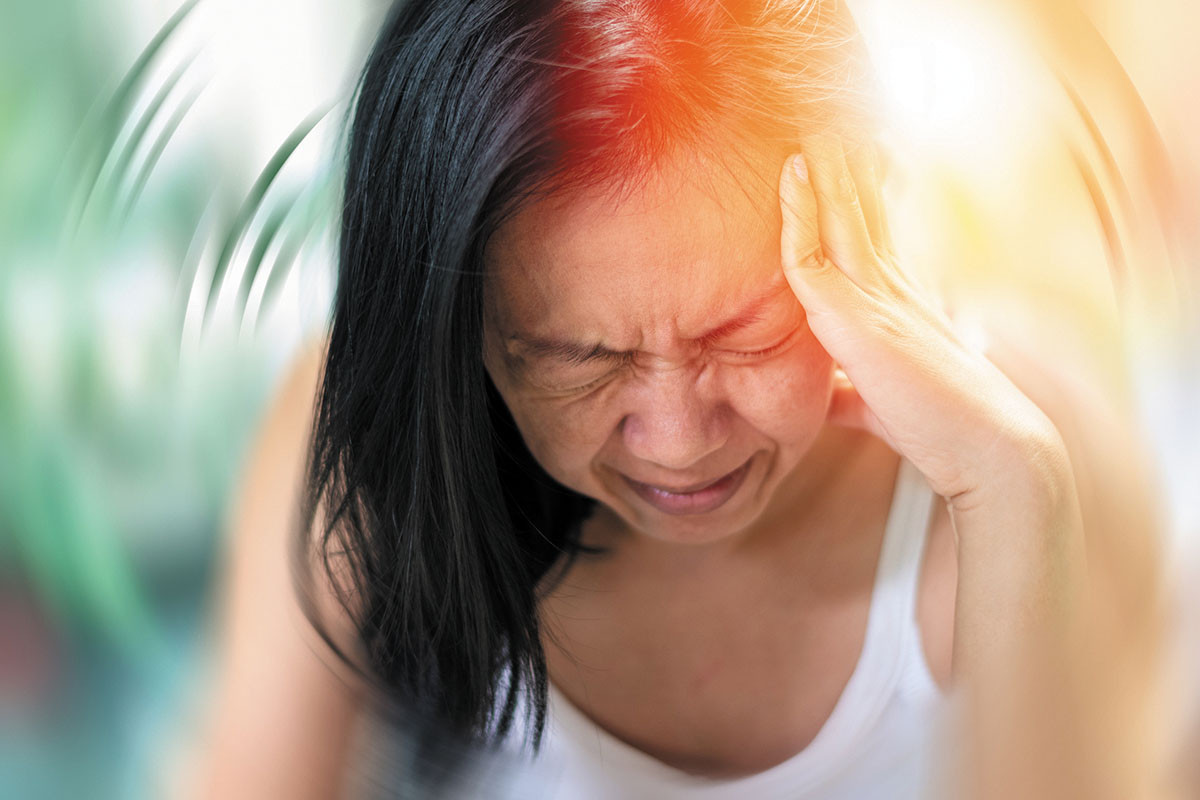
How can I tell if I have a concussion?
Concussions occur when the brain bumps or twists inside the skull after a blow to the head. Signs of concussion include headache, eye pain or fatigue, neck pain or stiffness, imbalance, impaired depth perception, difficulty remembering, or sleep pattern changes.

Poor physical function may predict cardiovascular disease
A new study suggests that older adults who maintain an high level functional fitness have a lower their risk of heart attack, heart failure, and stroke compared with those who are not as fit.

You don't say? Myths about teeth
Many myths and misunderstandings about teeth and tooth health persist, such as what stains can be lightened, how cavities are formed, and whether fluoride is actually safe.

Fabulous fiber
Most Americans only eat about one-half of the daily requirement for fiber. Changing food sources and eating habits are often at fault. Taking over-the-counter fiber supplements can help people who have trouble eating high-fiber foods; otherwise, increasing daily fiber intake with a few extra servings of fruit, vegetables, whole grains, legumes, or nuts and seeds can help people reach their recommended amounts.

The real power of placebos
Science suggests that the placebo effect, in which a person derives a physical benefit from a fake treatment, can have real health benefits for managing pain. It may even work if people are aware that the treatment is a sham. The ritual of receiving treatment is essential for the placebo effect to work, and it's possible for people to tap into its benefits by adopting healthy habits that require rituals and procedures like healthy eating, exercise, and meditation.

Don't be the fall guy
Every second, someone age 65 or older suffers a fall, making it the No. 1 cause of injury-related death among this age group. The best way for older adults to protect themselves is to address the three main physical conditions that contribute to falls: weak stabilizer muscles, poor core strength, and balance issues. They can do this by improving their side-to-side motion through specific exercises and playing racquet sports, doing abdominal exercises, and practicing tai chi.
Even a little exercise linked with lower stroke risk in people with afib
Testosterone therapy without evidence of deficiency may boost heart risk
Weight-loss drug may lower risk of heart attacks and infections
What to eat on the DASH diet
Migraine: How it's diagnosed and what that means
Tricep workouts you can do at home
Mindfulness practices to reduce stress and improve focus
Antihistamines may not offer meaningful relief from eczema symptoms
Overweight and taking blood pressure medications: Study finds it's a trend that's working
FDA approves first mRNA-based flu vaccine
Free Healthbeat Signup
Get the latest in health news delivered to your inbox!
Sign Up
