

Even a little exercise linked with lower stroke risk in people with afib

Testosterone therapy without evidence of deficiency may boost heart risk

Weight-loss drug may lower risk of heart attacks and infections

What to eat on the DASH diet

Migraine: How it's diagnosed and what that means

Tricep workouts you can do at home

Mindfulness practices to reduce stress and improve focus

Antihistamines may not offer meaningful relief from eczema symptoms

Overweight and taking blood pressure medications: Study finds it's a trend that's working

FDA approves first mRNA-based flu vaccine
Sleep Archive
Articles
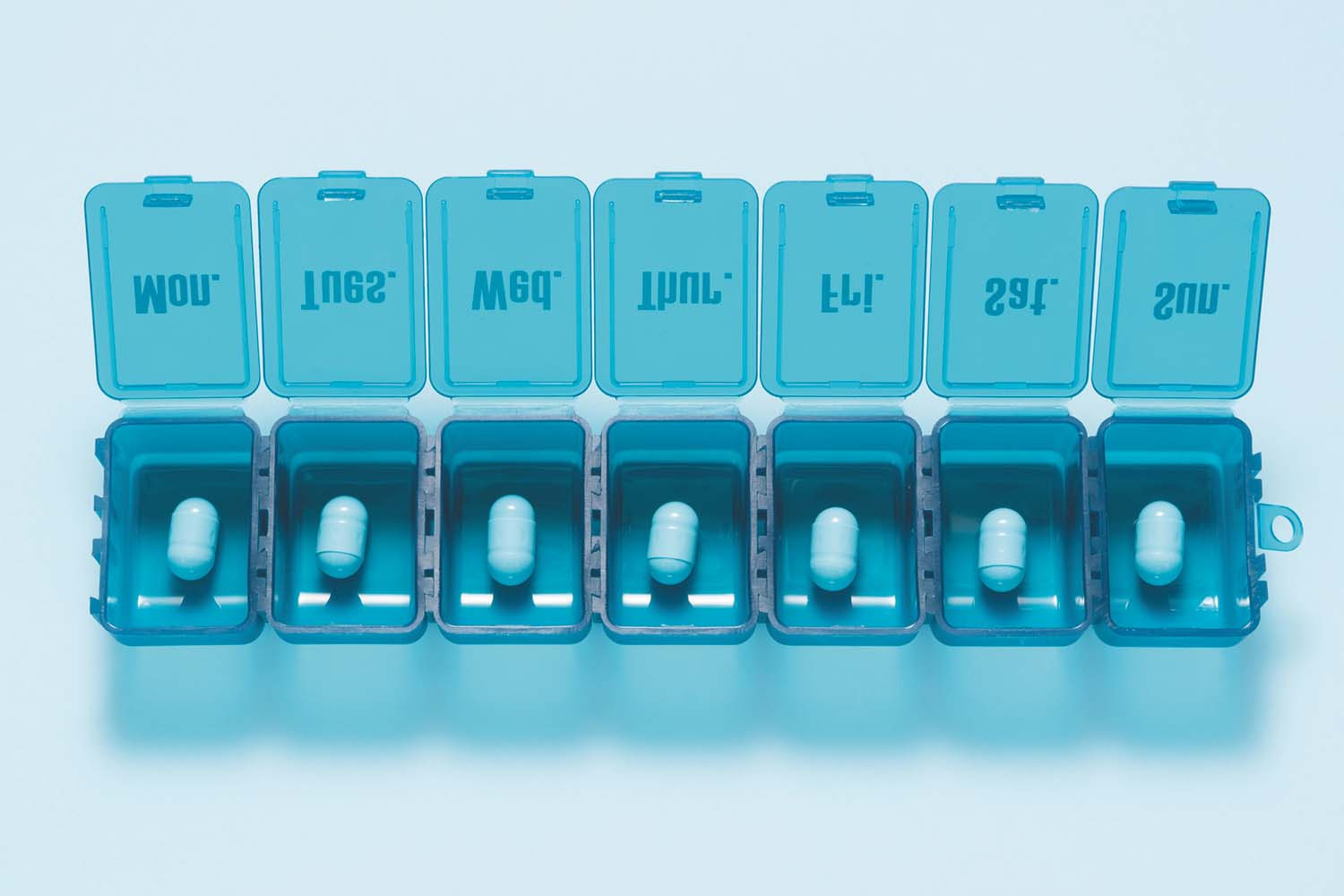
How can I reduce my number of daily medications?
Many people end up taking a long list of medications when they might be able to safely reduce the number of daily pills. Reviewing medications with their specialists and primary care doctor can help determine which drugs may be reduced or perhaps discontinued.

Curcumin supplements might ease meal-related discomfort
A small randomized trial in 2023 found that taking two 250-mg capsules of curcumin four times a day was as effective at relieving dyspepsia symptoms as taking one daily 20-mg dose of the heartburn medication omeprazole (Prilosec, Zegerid).

CPAP machines and masks: Which ones are right for you?
Continuous positive airway pressure (CPAP) is a first-line treatment for people with obstructive sleep apnea. The CPAP keeps the airway open by pushing a forceful stream of air through a tube and into a mask worn during sleep. The air comes from a small bedside pump (an air compressor). Other forms of positive airway pressure (PAP) may be helpful for people with central sleep apnea. Doctors determine which type of PAP therapy and device someone needs. Patients select the type of PAP mask to use with the system.

Stopping a medication? Check first, quit safer
Abruptly stopping a medication can be risky and even life-threatening. For example, suddenly discontinuing certain drugs can cause a rebound effect, meaning that symptoms or problems that were controlled—such as high blood pressure or heartburn—can return with a vengeance. Stopping some medications, such as prescription painkillers or antidepressants, might result in withdrawal symptoms. Before quitting any drug cold turkey, it's important to consult with a doctor to make sure that it's safe.

How to stay in your own home longer
Two kinds of services help people remain in their homes longer. Home health care is covered by Medicare and brings professional nurses and therapists into the home to provide treatment. It's intended for people who are recovering from illness, injury, or surgery. Private duty care is not covered by Medicare. It provides the day-to-day help most people need for the activities of daily living, such as housekeeping and meal preparation. Care is available for a few hours or 24 hours per day.

Veins are a key player in the body: Here's why
Thousands of miles of veins throughout the body bring blood to the lungs to pick up oxygen and nutrients, and get rid of carbon dioxide before returning to the heart to be pumped out again. How do veins work, what problems can occur, and how can you keep these vital blood vessels healthy?

8 secrets to a good night's sleep
Tired of feeling tired? Here are some simple tips to help you get to sleep.

What to do when driving skills decline
Many people experience a decline in their driving skills as they age. While some choose to stop driving, others resist. Whether it's you or a loved one, planning ahead can help you tackle fixable issues, make transitions easier, and avoid harming yourself or someone else.

A tough question: When should an older driver stop driving?
Navigating whether or when an older person should limit or stop driving is tricky. Whether these concerns are about a family member or yourself, it's helpful to be aware of red flags and to understand how driving abilities –– and risk for motor vehicle accidents –– change with age.

Debunking common wellness myths
Many common wellness myths contain a grain of truth but are misleading over all. One wellness myth holds that being thin equates to being healthy, but people who are think can still be unhealthy. Another myth posits that detoxes and cleanses can help people be healthier, but these products don't help and can even be dangerous for some people. Another myth is that eating before bedtime leads to weight gain, but food choice matters more than timing.
Even a little exercise linked with lower stroke risk in people with afib
Testosterone therapy without evidence of deficiency may boost heart risk
Weight-loss drug may lower risk of heart attacks and infections
What to eat on the DASH diet
Migraine: How it's diagnosed and what that means
Tricep workouts you can do at home
Mindfulness practices to reduce stress and improve focus
Antihistamines may not offer meaningful relief from eczema symptoms
Overweight and taking blood pressure medications: Study finds it's a trend that's working
FDA approves first mRNA-based flu vaccine
Free Healthbeat Signup
Get the latest in health news delivered to your inbox!
Sign Up
