

Even a little exercise linked with lower stroke risk in people with afib

Testosterone therapy without evidence of deficiency may boost heart risk

Weight-loss drug may lower risk of heart attacks and infections

What to eat on the DASH diet

Migraine: How it's diagnosed and what that means

Tricep workouts you can do at home

Mindfulness practices to reduce stress and improve focus

Antihistamines may not offer meaningful relief from eczema symptoms

Overweight and taking blood pressure medications: Study finds it's a trend that's working

FDA approves first mRNA-based flu vaccine
Sleep Archive
Articles

A rocky childhood could be bad for your heart
Childhood trauma may raise the risk of cardiovascular disease, but making lifestyle changes can help you stay healthy.
Traumatic childhood experiences may have a lasting effect on your heart health.
A review published online Dec. 2, 2020, by JAMA Cardiology found that adults who had multiple adverse childhood experiences (ACEs) — like being neglected; suffering physical, sexual, or emotional abuse; or witnessing violence at home — had double the risk of cardiovascular disease and an early death compared with people who didn't face any ACEs at all.

Should I get a COVID-19 vaccine if I've had dermal fillers?
In rare cases, people who have had cosmetic dermal fillers experience swelling after receiving the COVID-19 vaccine, but this shouldn't stop people with fillers from being vaccinated.
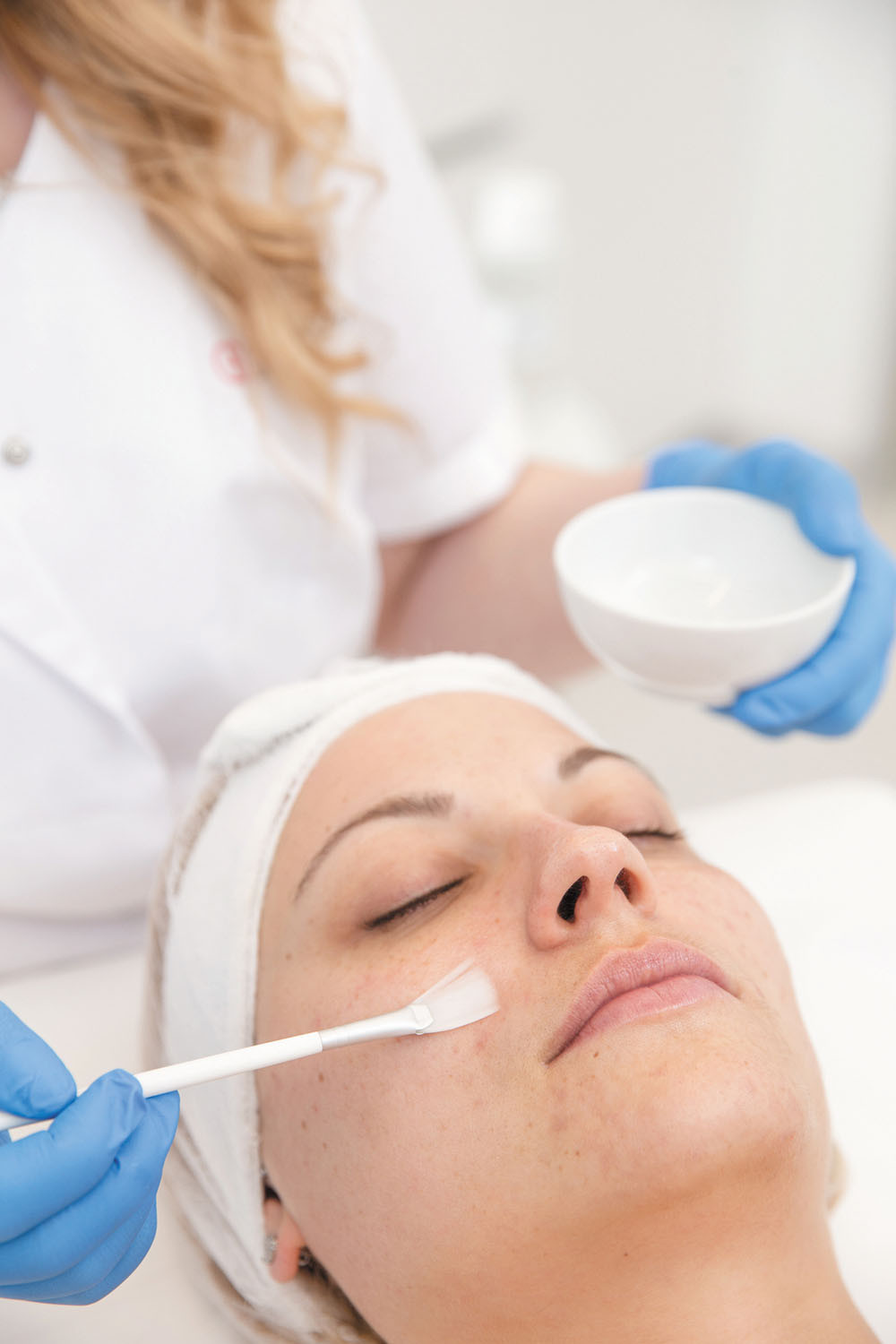
Shedding your skin
Chemical peels can help improve your skin, if you choose the right product and follow safety instructions.
As you age, your skin changes, and not always in a good way. Some of the most common problems are caused by sun damage, including dark spots, rough texture, fine lines, and wrinkles. Chemical peels, which use a chemical solution to remove the top layers of the skin, are billed as one way to target these changes and improve the skin. Peels can be done at home, in a medical spa, or at a dermatologist's office. But the question is, are they really effective or good for your skin?
Dr. Hye Jin "Leah" Chung, assistant professor in the Department of Dermatology at Harvard Medical School, says yes, chemical peels can help your skin. But that endorsement comes with a caveat, she says. "They are beneficial as long as you use the right agent and the right technique," says Dr. Chung. Used incorrectly, chemical peels can be harmful and even cause burns or pigment changes.

Here comes the sun
With summer approaching, you need to be more attentive about sun protection.
Men have many skin challenges as they age. They develop wrinkles, lines, spots, and discoloration. Older men also are at greater risk for the two most common skin cancers: basal cell carcinoma and squamous cell carcinoma.
Without adequate sun protection, these conditions can become more frequent and severe.

Regular afternoon naps can help wake up aging brains
In the journals
Afternoon naps can recharge a weary body; now research has found they also may boost cognitive function. An observational study published online Jan. 25, 2021, by General Psychiatry looked at 2,214 healthy people ages 60 and older in China, where afternoon naps are common. The participants were asked about whether they napped at least five minutes after lunch. Two-thirds took naps, and the others did not.
Everyone then underwent testing to measure various mental skills, such as memory, naming, attention, calculation, and orientation. The researchers then obtained more specifics about their napping habits, including how long they napped and how often per week.

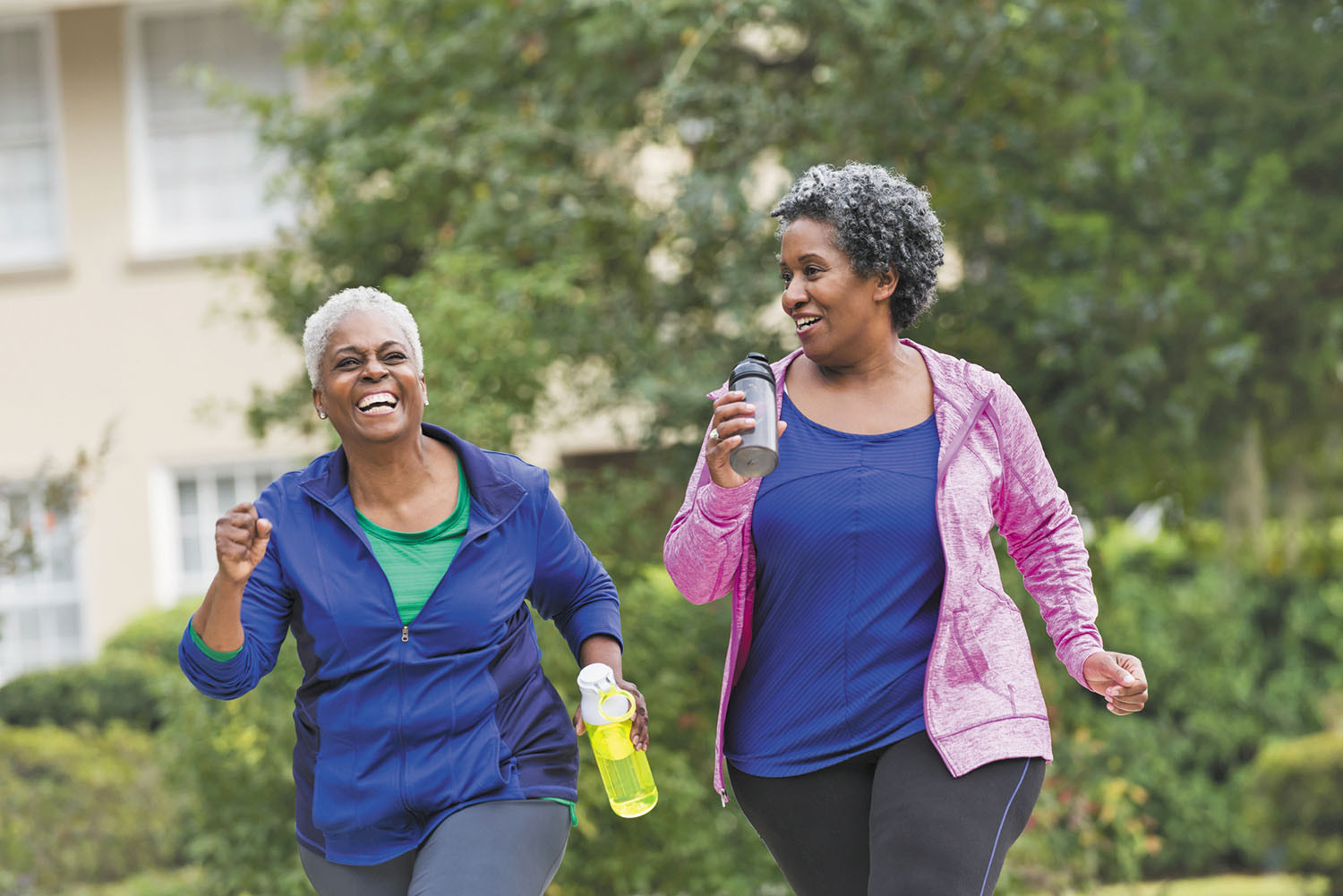
Step up your walking workouts
Whether you're new to walking or a seasoned stroller, here are some ways to boost your routines.
Walking is one of the most straightforward exercises. You just need a good pair of walking shoes, and off you go.
Like any kind of cardio activity, walking can improve your heart health, strengthen your immune system, and help you manage your weight.
Optimize your exercise routine
Whether you're an exercise novice or a gym regular, these tips can help you get the most out of your workout.
When it comes to exercise, timing is everything — but not in the way we normally think about timing. What matters most is making the time to exercise regularly, not when it happens. That said, your personal experience and specific goals may influence what workout schedule works best for you.
"If you're just starting a physical activity routine, any time that you feel motivated and energized enough to exercise is the best time for you," says Dr. Beth Frates, clinical assistant professor of physical medicine and rehabilitation at Harvard Medical School. For some people, that's in the morning; for others, the afternoon works better. But if you can work out with a friend, choose a time that works best for both of you, she suggests. Teaming up with an exercise buddy is more enjoyable, and you can hold each other accountable.

Do post-lunch naps pump up memory and thinking skills?
News briefs
A little afternoon snooze can help you feel more rested — and it might do you good in other ways, too. A small study from China published online Jan. 25, 2021, by General Psychiatry suggests that afternoon naps (between five minutes and two hours long) may be good for your memory and thinking skills. Researchers put more than 2,200 older adults through a series of health screenings that included blood tests and cognitive assessments, and also asked participants whether and how often they napped. About 1,500 of the participants were nappers. Compared with people who didn't nap, the nappers performed better on cognitive tests, scoring better on location awareness, verbal fluency, and memory. The study was observational, so it can't prove that napping caused the better cognitive test results. Previous studies have shown that afternoon nap benefits decline as age and nap duration increase. Short, frequent naps (less than 30 minutes, four times per week) have been associated with reduced risks for developing Alzheimer's disease. In contrast, people who take long naps (two hours or longer) appear to have worse cognitive function, although it is unclear what is cause and what is effect.
Image: kali9/Getty Images

6 ways to maximize lung health
Exercising, avoiding pollutant exposure, controlling weight, and other strategies may help you breathe easier.
You may not know it, but your lungs — like many of your organs — have some backup power to get you through situations that stress your health. This excess capacity, called physiological reserve, helps your lungs weather infection and chronic disease.
Lung reserve is robust when we're young, but it diminishes over time as part of the normal aging process. Smoking or long-term lung diseases such as asthma, chronic bronchitis, or emphysema can accelerate that decline. Diminished reserve makes us more vulnerable to a new or sudden lung problem. "If you get a severe infection and start with lower lung function compared to when you were younger, you have less reserve capacity and you won't tolerate the infection as well," says Dr. Richard Schwartzstein, chief of the Pulmonary, Critical Care, and Sleep Medicine Division at Harvard-affiliated Beth Israel Deaconess Medical Center.

Can we slow the aging process?
Scientists are beginning to understand the natural biological processes that control aging, and they have made exciting discoveries about tinkering with the process. For example, they've been able to make aged cells act like brand-new cells in lab experiments; they've figured out how to make worms live five times as long as they normally would; and they've been able to keep mice from becoming obese and from developing diabetes, kidney failure, and heart failure.
Even a little exercise linked with lower stroke risk in people with afib
Testosterone therapy without evidence of deficiency may boost heart risk
Weight-loss drug may lower risk of heart attacks and infections
What to eat on the DASH diet
Migraine: How it's diagnosed and what that means
Tricep workouts you can do at home
Mindfulness practices to reduce stress and improve focus
Antihistamines may not offer meaningful relief from eczema symptoms
Overweight and taking blood pressure medications: Study finds it's a trend that's working
FDA approves first mRNA-based flu vaccine
Free Healthbeat Signup
Get the latest in health news delivered to your inbox!
Sign Up
