

Fatty liver disease: Should you be tested?

Weight-loss drug may lower risk of heart attacks and infections

Testosterone therapy without evidence of deficiency may boost heart risk

Even a little exercise linked with lower stroke risk in people with afib

Antihistamines may not offer meaningful relief from eczema symptoms

What to eat on the DASH diet

Tricep workouts you can do at home

FDA approves first mRNA-based flu vaccine

Migraine: How it's diagnosed and what that means

Mindfulness practices to reduce stress and improve focus
Pregnancy Archive
Articles

The real link between breastfeeding and preventing obesity
Research into the connection between breastfeeding and obesity in children found that babies who got milk directly from the mother’s breast for the first three months of life had the lowest risk of becoming obese, because they are less likely to overfeed.


HPV test may be better than traditional cervical cancer screening method
Research we're watching
A test that screens for human papillomavirus (HPV) beat a commonly used cervical cancer screening method in detecting changes that may lead to cervical cancer, according to a study published July 3 in The Journal of the American Medical Association. Some 19,000 women were screened for cervical cancer using either the HPV test or a more traditional and commonly used liquid-based cytology test. After 48 months, all the women were tested again using both tests. Researchers found that among women who'd had a normal initial screening, those who'd been screened with the HPV test had significantly fewer grade 3 or worse precancerous cervical changes at the final testing compared with those screened with liquid-based cytology.
In response, the U.S Preventive Services Task Force now recommends either HPV testing only once every five years or liquid-based cytology once every three years for women ages 30 to 65.

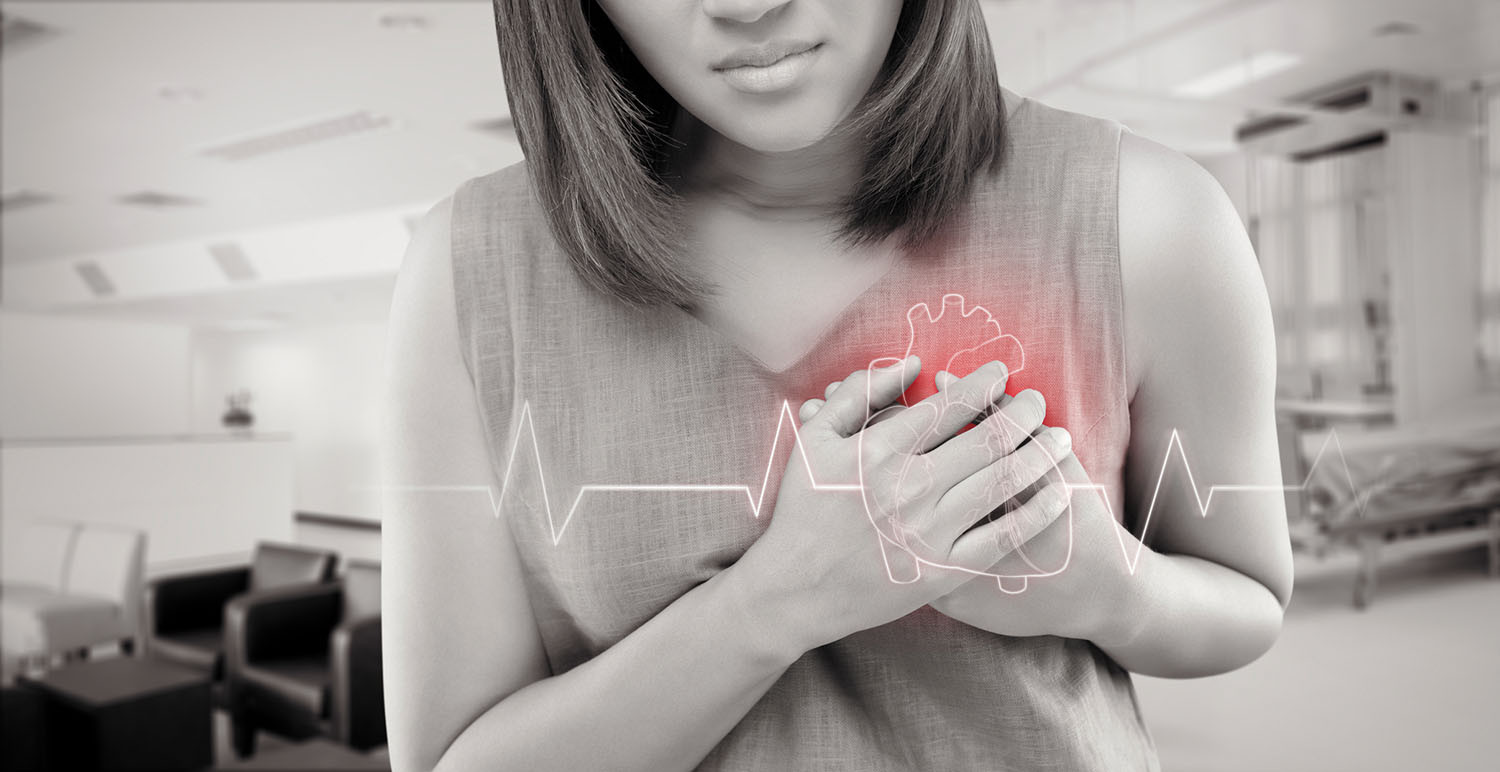
Blockage or no blockage, take heart attacks seriously
Women are at higher risk for heart attacks that don't involve blocked arteries — and they should receive the same follow-up treatment as conventional heart attack patients.
Image: © Tharakorn/Getty Images
For years, people who suffered heart attacks but didn't have major blockages in their arteries — a condition called myocardial infarction with nonobstructive coronary arteries (MINOCA) — were thought to have a less serious form of heart disease. As a result, doctors often opted against aggressive follow-up treatments. But a study published June 15 in the International Journal of Cardiology contributes to the growing body of evidence that MINOCAs merit follow-up treatment.
The study, which looked at data from an online Swedish cardiac registry, found that a quarter of people who were diagnosed with MINOCAs went on to have another major cardiovascular event, such as another heart attack, a stroke, or heart failure. Of the original group of 9,092 people who were diagnosed with MINOCAs (62% of them women), some 2,147 went on to have another cardiovascular event during a follow-up period averaging about 4.5 years.

Predicting heart disease: The sex factor
Several sex-specific issues may foretell a higher risk of cardiovascular problems in women and men.
Image: © bowdenimages/Getty Images
You probably know the key health indicators that pose a danger to your heart, such as high cholesterol and elevated blood pressure. But many people are not aware of the sex-specific conditions that may serve as early warning signals for heart disease.
For women, these include problems that sometimes occur during pregnancy, as well as other diseases that are more prevalent in females (see "Female-focused cardiac risks"). For men, it's a relatively common problem that's less commonly discussed: erectile dysfunction.



Diet might delay — or hasten — the onset of menopause
How old you are when you go through menopause could be influenced by the foods you eat.
Image: © stepangilev/Getty Images
Could the foods you eat help determine when you start menopause? They might, says a new study published online April 30 by the Journal of Epidemiology and Community Health. Researchers found that women who ate more fish and beans and other legumes started menopause at a later age, while women who ate a diet heavy on refined pasta and rice went through the change earlier.
Why do the results matter?
How old a woman is when she goes through menopause may have implications for her health. Past research has linked certain health risks to menopause that occurs either very early (before age 40) or late (age 55 or older). Going through menopause at an earlier age has been associated with lower bone density and a higher risk for osteoporosis, cardiovascular disease, depression, and — in some instances — premature death.

5 habits for moms that help prevent childhood obesity
It might be surprising to learn that parents can help fight childhood obesity by taking good care of themselves. A new study found that when mothers follow five healthy lifestyle habits, their kids are much less likely to become obese.
Fatty liver disease: Should you be tested?
Weight-loss drug may lower risk of heart attacks and infections
Testosterone therapy without evidence of deficiency may boost heart risk
Even a little exercise linked with lower stroke risk in people with afib
Antihistamines may not offer meaningful relief from eczema symptoms
What to eat on the DASH diet
Tricep workouts you can do at home
FDA approves first mRNA-based flu vaccine
Migraine: How it's diagnosed and what that means
Mindfulness practices to reduce stress and improve focus
Free Healthbeat Signup
Get the latest in health news delivered to your inbox!
Sign Up
