

Healing after food poisoning

What is tempeh? Benefits, nutrition, and how to use it

Light exposure at night may raise risk for heart disease

Whole grains may improve several heart risk factors at once

A lumbar belt may help ease low back pain

Children of centenarians may stay healthier and live longer too, study finds

Signs of pneumonia: Sometimes vague and unexpected

The surprising link between ovarian cancer and the fallopian tubes

Using a vibration plate: What it can — and can't — do for your body

People who walk more or walk faster live longer, study finds
Physical therapy Archive
Articles
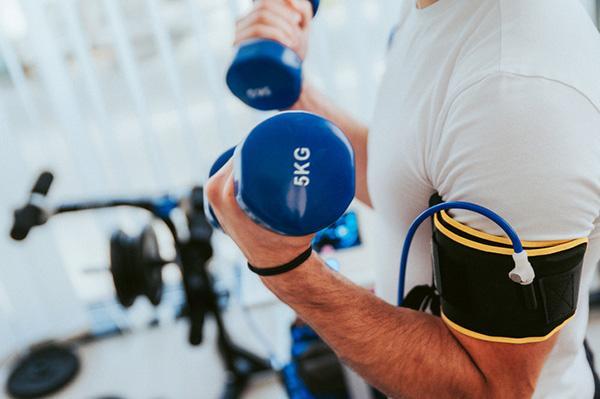
Arthritis, knee surgery, and more: How blood flow restriction training can help
Blood flow restriction training uses a pressurized cuff to partially block blood flow while a person performs strength training exercises. This allows the muscles to grow with the use of lighter weights. It can help a person counter muscle loss that follows surgery or injury.

What causes a vertebra to slip backward?
Retrolisthesis may appear on an x-ray with or without symptoms. Explore what can cause this spinal change and how doctors approach treatment
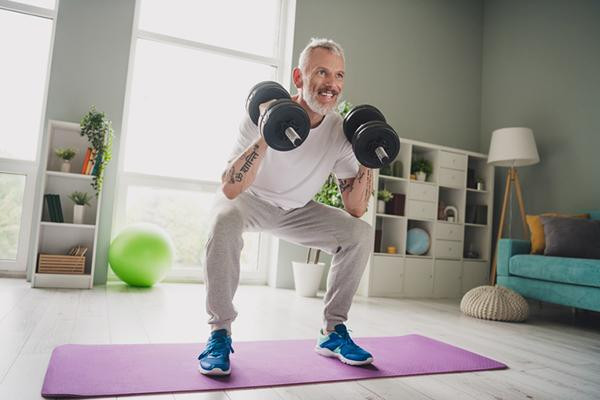
Two dumbbells, three exercises, and 10 minutes
With 10 minutes and a pair of dumbbells, people can do a full-body workout using a variation of high-intensity interval training (HIIT) called low-volume HIIT. With low-volume HIIT, people perform only a few sets of two to four exercises.

Stair climbing may significantly lower cardiovascular risks
A 2026 research review and meta-analysis suggests that regular stair climbing may lower people’s risks of dying of cardiovascular problems or any cause, as well as reduce the risks of heart attack, stroke, or heart failure.
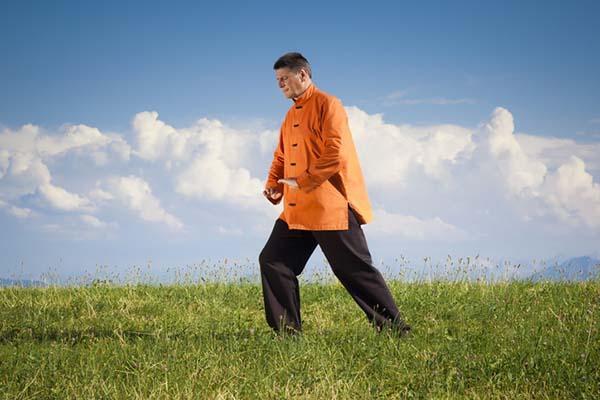
Tai chi walking: What is it and does it work?
Tai chi walking is an accessible introduction to tai chi. The process of slowing down steps, shifting weight deliberately, and focusing on breathing may improve balance, gait, mindfulness, and lower-leg strength.

Plyometrics: Three explosive exercises even beginners can try
Plyometric training involves short, intense bursts of activity that target fast-twitch muscle fibers in the lower body that generate power for increased speed and jumping height. Doing plyometric exercises can boost strength, power, and agility.
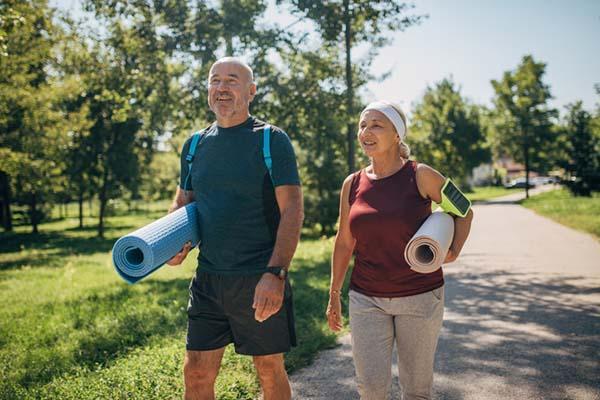
Even a little exercise linked with lower stroke risk in people with afib
Physical activity, even as little as 15 minutes a day of moderate-intensity exercise, is linked with a lower risk of stroke and death in people with atrial fibrillation.

Tricep workouts you can do at home
Located at the back of the upper arm, the triceps muscles constitute about two-thirds of its muscle mass. Often overlooked by people in favor of training the more-visible biceps or deltoid muscles, the triceps are integral to performing everyday tasks, such as heavy lifting and reaching.
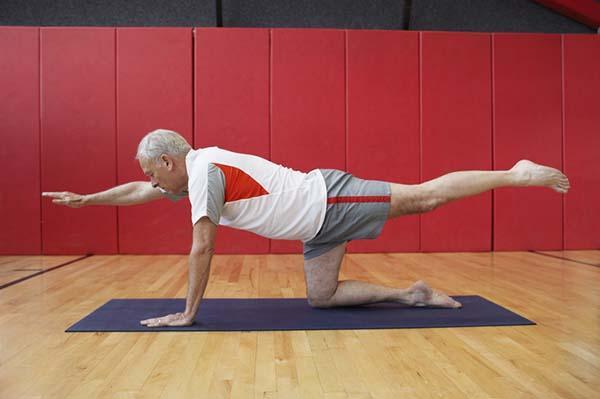
Bird dog exercise for your core: How to do it safely
The bird dog exercise is performed on the hands and knees. It involves extending one arm and the leg on the opposite side simultaneously. This exercise is highly effective at strengthening the core, the group of muscles in the abdomen, back, pelvis, and hips that stabilize the spine.
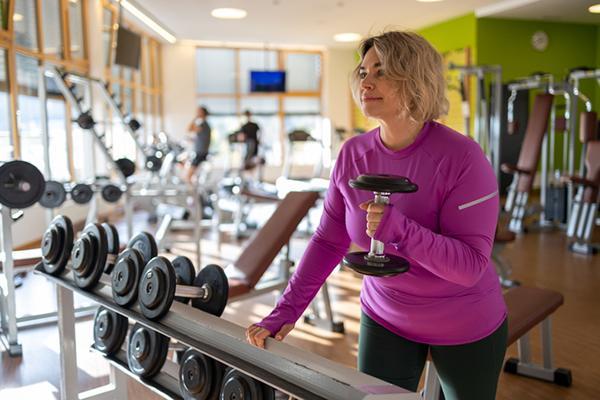
How long does it take to build muscle?
Building strength requires progressive resistance training two to three times a week, challenging major muscle groups. Expect strength gains resulting from nerves more effectively recruiting existing muscle within two weeks and visible muscle growth after eight to 12 weeks. Results also depend on consuming adequate calories and protein.
Healing after food poisoning
What is tempeh? Benefits, nutrition, and how to use it
Light exposure at night may raise risk for heart disease
Whole grains may improve several heart risk factors at once
A lumbar belt may help ease low back pain
Children of centenarians may stay healthier and live longer too, study finds
Signs of pneumonia: Sometimes vague and unexpected
The surprising link between ovarian cancer and the fallopian tubes
Using a vibration plate: What it can — and can't — do for your body
People who walk more or walk faster live longer, study finds
Free Healthbeat Signup
Get the latest in health news delivered to your inbox!
Sign Up
