

Fatty liver disease: Should you be tested?

Even a little exercise linked with lower stroke risk in people with afib

Testosterone therapy without evidence of deficiency may boost heart risk

Weight-loss drug may lower risk of heart attacks and infections

Migraine: How it's diagnosed and what that means

Tricep workouts you can do at home

Mindfulness practices to reduce stress and improve focus

Antihistamines may not offer meaningful relief from eczema symptoms

Overweight and taking blood pressure medications: Study finds it's a trend that's working

FDA approves first mRNA-based flu vaccine
Physical activity and exercise Archive
Articles
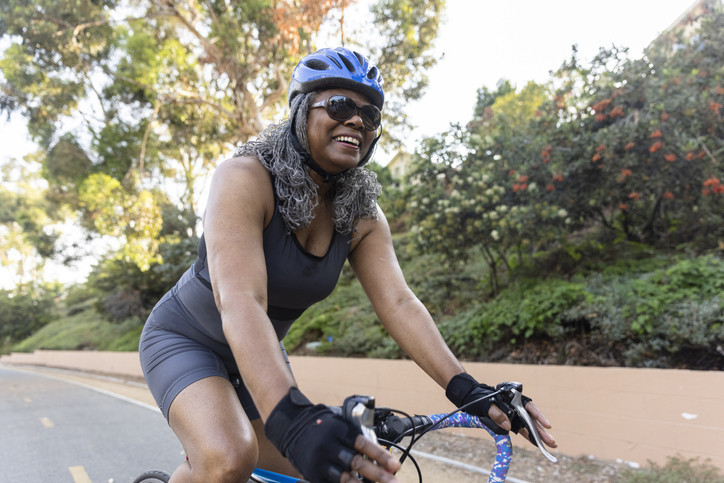
Strong legs help power summer activities: Hiking, biking, swimming, and more
Legs are the foundation for many enjoyable activities-running, bicycling, swimming, and more. Building strong leg muscles can improve your performance, build endurance, and reduce your risk of injury. These exercises will work all of the major muscle groups in your legs.

Have you exfoliated lately?
Exfoliation - the process of removing dead cells from the skin's outer layer - can make skin glow, help even out coloring, and offer other benefits, but it can also irritate or inflame. Which products should you choose and how often can you exfoliate?

Metabolic syndrome is on the rise: What it is and why it matters
Because metabolic syndrome boosts the risk of developing several serious health problems, a troubling rise in rates of occurrence of metabolic syndrome among certain segments of the US population is of great concern.

Sleeping apart: Good for your sex life?
A survey found that one-third of couples reported occasionally or regularly sleeping in separate rooms to accommodate a bed partner. The main motivation behind separate sleeping is to ensure both people get a good night's rest, as sleep can get disrupted by a partner's snoring, teeth grinding, thrashing, sleep schedule, and different sleeping environments. Couples should work together to ensure sleeping apart does not interfere with intimacy, such as scheduling snuggle time, taking naps together, and planning times for sexual activity.

Take a Nordic walk
Nordic walking is a popular way to enjoy the benefits of walking while getting a full-body workout. It mimics the motion of cross-country skiing by using poles to push yourself as you walk along and can offer a higher-intensity workout than walking.

What lifestyle changes can help me avoid prostate cancer?
Most older men live with some prostate cancer. However, only a small number will develop aggressive cancer that affects their quality of life. Certain habits might lower men's risk, like eating a plant-based diet, doing vigorous activity, and having frequent ejaculations.

10 habits for good health
The foundation of a healthy lifestyle consists of lasting habits like eating right, maintaining a healthy weight, exercising regularly, managing mental health, and getting routine medical and wellness exams. Even making daily, small steps toward these goals can have a significant impact. Everyday strategies include doing morning stretching, taking regular naps, breathing exercises to manage stress, caring for skin and teeth, and being social.

Exercising with your spouse might add up to less movement
A 2023 study suggests that older adults who exercise with their spouses might be less physically active than those who exercise on their own.

Yoga skepticism
About 38 million Americans practice yoga, and three-quarters are women. Some people hesitate to try yoga because they wrongly believe they must be slender and flexible and need to buy costly equipment. But yoga's health benefits are plentiful and proven. Research suggests yoga eases depression, boosts sleep quality, improves chronic pain, and reduces cardiovascular disease risks. People can overcome their reluctance to try yoga by joining a class, taking a friend along, asking for modifications, and being patient with their progress.

Caregiving crisis
Nearly three-quarters of caregivers are 50 or older, and more than 75% are women. Research has linked caregiving to many physical and mental effects, including depression, anxiety, pain, and heart disease. Many caregivers don't attend to their own health and may avoid or skip medical appointments. To address these burdens, caregivers can look into respite care, call their local Agency on Aging, ask for help from friends, and schedule telehealth visits with doctors or therapists.
Fatty liver disease: Should you be tested?
Even a little exercise linked with lower stroke risk in people with afib
Testosterone therapy without evidence of deficiency may boost heart risk
Weight-loss drug may lower risk of heart attacks and infections
Migraine: How it's diagnosed and what that means
Tricep workouts you can do at home
Mindfulness practices to reduce stress and improve focus
Antihistamines may not offer meaningful relief from eczema symptoms
Overweight and taking blood pressure medications: Study finds it's a trend that's working
FDA approves first mRNA-based flu vaccine
Free Healthbeat Signup
Get the latest in health news delivered to your inbox!
Sign Up
