

Reading the current blood pressure guidelines

Oat vs. dairy milk: Nutrition, benefits, and downsides

Microplastics: A hidden health threat?

Healing after food poisoning

What is tempeh? Benefits, nutrition, and how to use it

Light exposure at night may raise risk for heart disease

Whole grains may improve several heart risk factors at once

A lumbar belt may help ease low back pain

Children of centenarians may stay healthier and live longer too, study finds

Signs of pneumonia: Sometimes vague and unexpected
Physical activity and exercise Archive
Articles

Trouble keeping information in mind? Could be sleep, mood, or age
Most people experience some degree of decreased memory as they get older, but memory performance is also affected by mood and sleep quality, and these are factors that can be controlled and improved.

By the way, doctor: How often should I have a colonoscopy?
Q. How often should a healthy 55-year-old woman have a colonoscopy? Do the benefits outweigh the risk of complications, such as bowel perforation?
A. Colonoscopy is one of several tests used to screen for colorectal cancer, the third most common cancer and cause of cancer mortality (after breast and lung cancer) in American women. In 2018, some 140,000 Americans were diagnosed with the disease, and 50,000 died of it. Experts believe that adequate screening could have prevented perhaps 60% of those deaths.

By the way, doctor: What can I do about excessive belching and feeling full?
Q. I belch a lot and get a feeling of fullness in the upper abdomen. Is excessive belching a common condition? What are the causes and cures? I would prefer natural remedies.
A. Belching and feeling full are normal, everyday experiences. So, what makes them "excessive"? There's no precise definition. But if you start belching or feeling full more often than you have in the past, or if belching and fullness are causing you distress and discomfort, then I'd consider that excessive belching and a problem that you should try to solve.

By the way, doctor: Does having ridged and split fingernails mean I'm unhealthy?
Q. I'm 63, and I've begun to notice a decline in the quality of my fingernails. They have numerous up-and-down ridges, and at the tips, they're always splitting. I've heard you can tell a lot about a person's health from the condition of her nails. What does my split nails say about mine?
A. Some changes in nails can be a sign of an underlying health problem, but the lengthwise nail ridging you describe is usually not one. It's simply a common sign of normal aging. The growth of fingernails and toenails slows as we get older, and their appearance may change. Some nails become yellowed or dull and brittle, and some or all may develop tiny longitudinal ridges. Fingernails tend to become thinner and more fragile, while toenails usually become thicker and harder.
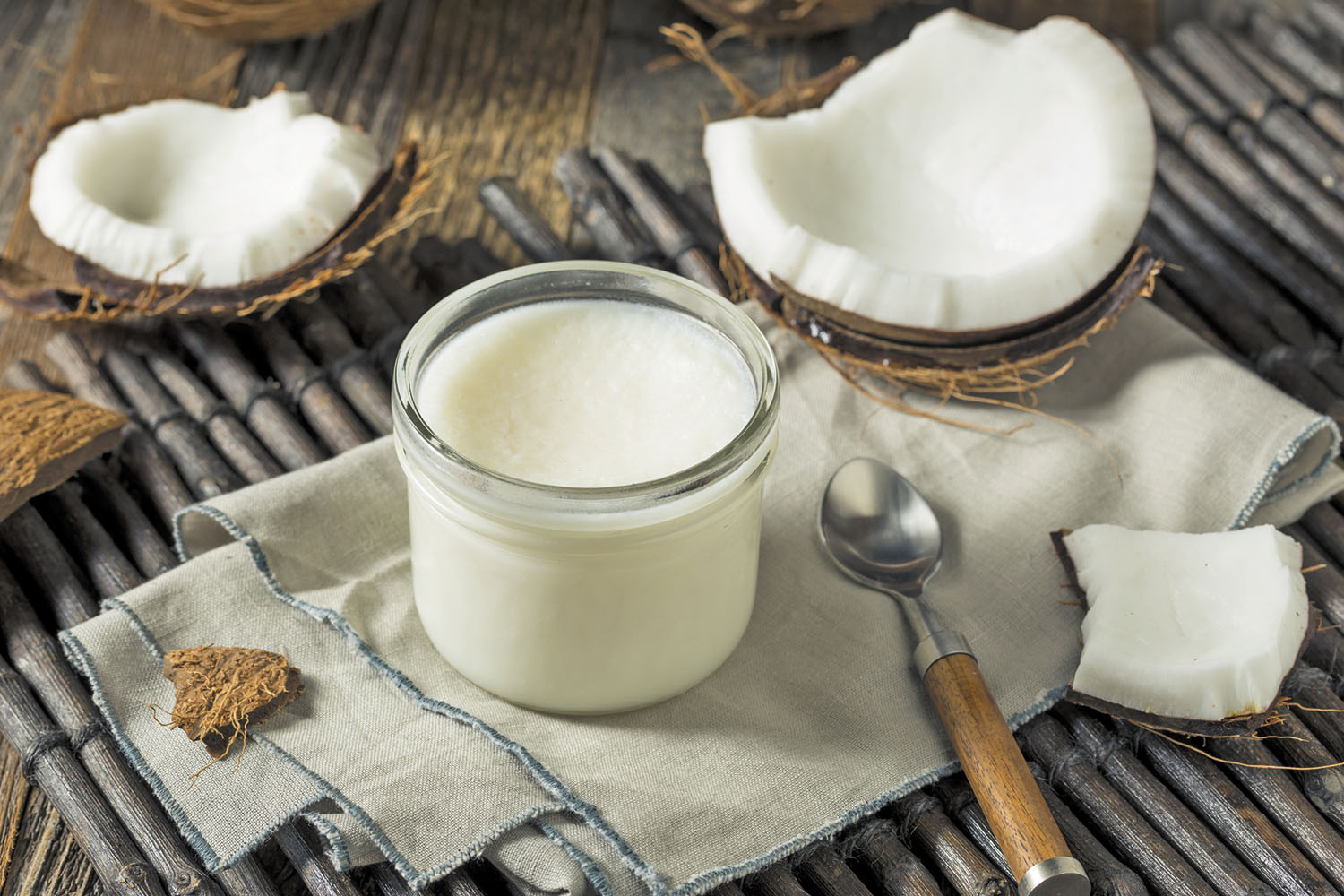
5 food and drink fads you can skip
Trendy isn't necessarily healthy. Consider alternatives instead.
It's fun to try new foods once in a while. But when a flashy food fad gets your attention, be careful. Just because a particular food or drink is showing up everywhere doesn't mean it's healthy. Here are five trends you can probably skip.
1. Vitamin-enhanced water
Vitamin-enhanced waters have names like Propel Vitamin Boost and Vitaminwater, and they promise lots of vitamins (like B, C, and E) and minerals (like magnesium, calcium, and potassium) in every gulp. But don't start guzzling. "There aren't enough nutrients added to these waters to make a difference in your health. I saw one product with 10 milligrams of potassium. The recommendation for daily potassium is 4,700 milligrams per day," says registered dietitian Kathy McManus, director of the Department of Nutrition at Harvard-affiliated Brigham and Women's Hospital. "You'll get more far more nutrients from a healthy diet."
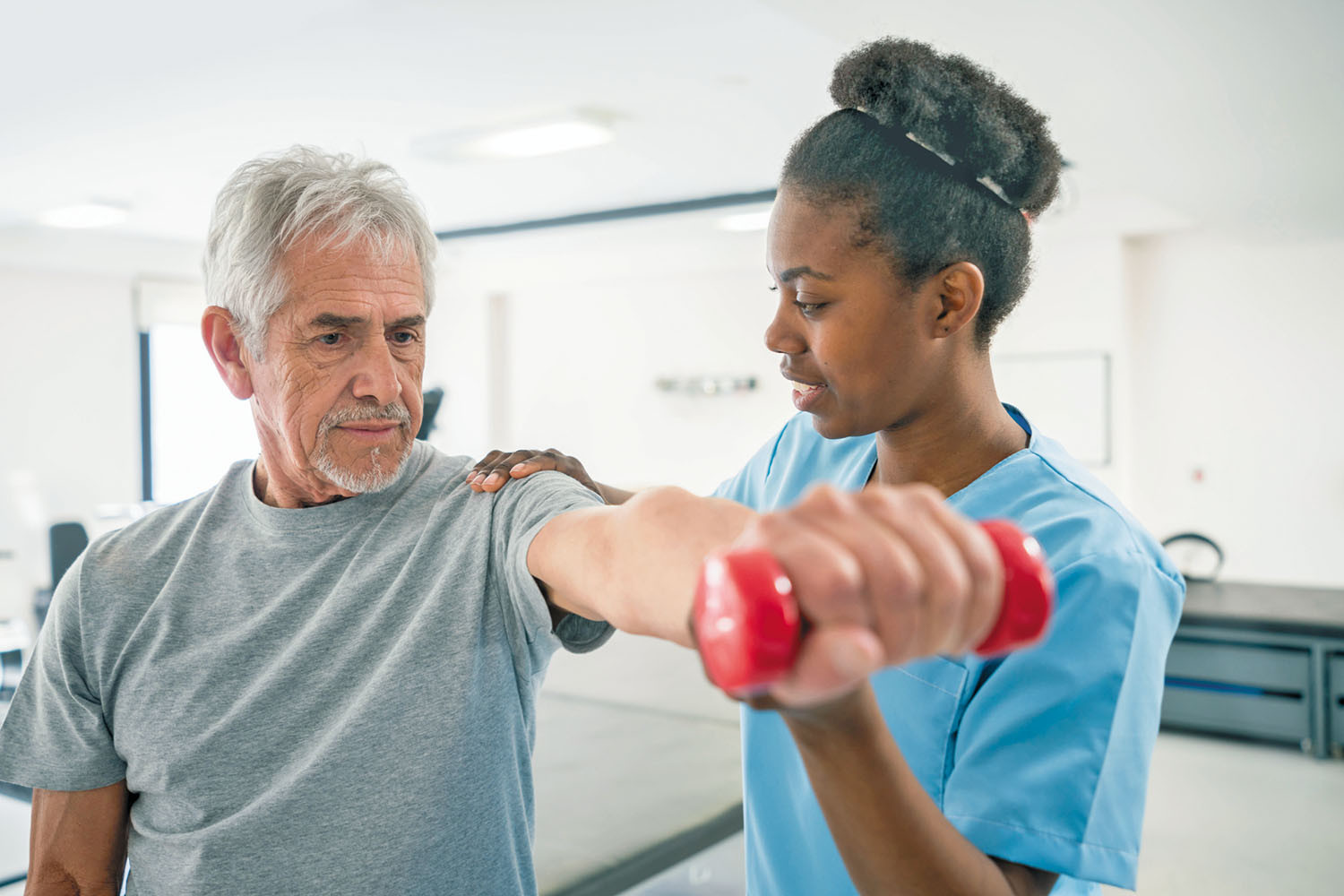
Fight back against muscle weakness
Pinpoint the cause and take steps to preserve your mobility and independence.
Muscle weakness is sneaky. It often appears gradually and makes once-simple tasks harder — like having to rock back and forth to get out of a chair or tug a few times on the car door to open it.
More than an inconvenience, muscle weakness has a domino effect on health. It slows your metabolism (how fast your body burns energy), puts more pressure on your joints, hurts your posture, throws off your balance, and limits your mobility.

Taking medications on the road
Ask questions about rules, and get supplies in advance.
When it's time for an overnight or extended trip, there are lots of things to pack — your clothes, toiletries, and maybe important documents. But sometimes medicine isn't at the top of the list. "I hear about people forgetting medications at home, not bringing enough for the whole trip, or packing them in a suitcase that gets lost," says Dr. Suzanne Salamon, associate chief of gerontology at Harvard-affiliated Beth Israel Deaconess Medical Center.
Whether you're staying across town or traveling around the world, consider the following strategies to help you maintain your medication regimen.
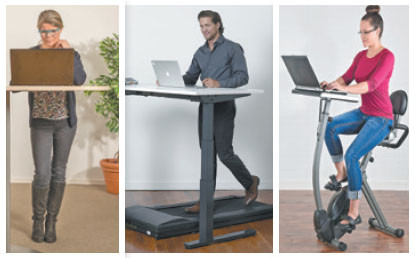
Should you use an active workstation at home?
These desks are tied to both health benefits and risks.
Active workstations aren't just for the office. The desks that enable you to stand, walk, or cycle while working are showing up in schools, libraries, airports, hotels, and even coffee shops. But is an active workstation so important you should use one at home, and is it safe for an older adult?
Why they're popular
Active workstations help people reduce time spent sitting. Prolonged periods of inactivity are linked to heart disease, stroke, diabetes, and even an early death. "All of our body functions — including blood flow, blood pressure, heart and lung function, and blood sugar processing — improve when we expend energy with physical activity, but they decline with inactivity," says I-Min Lee, a professor of medicine at Harvard Medical School who studies the role of physical activity in disease prevention.

It's never too late to start exercising
News briefs
So you spent the first half of your life as a couch potato, and think it's too late for exercise to do any good? Think again. An observational study published online March 8, 2019, by JAMA Network Open links exercise to a lower risk for an early death, even if you wait until middle age to start a regular routine. Researchers analyzed health and exercise surveys from 315,000 older adults in the 1990s, then followed up to see who was still alive in 2011. Compared with people who never exercised, older adults who'd exercised consistently since they were teenagers had a 36% lower risk of dying during the study period. Those numbers were similar to the results for people who'd been inactive in their youth and only began exercising regularly in their 40s, 50s, and 60s. That group had a 35% lower risk of dying, compared with people who never exercised. The findings suggest that it's never too late to start an exercise regimen. Try brisk walking, swimming, or any exercise that gets your heart and lungs pumping.
Image: © adamkaz/Getty Images

Want to live longer? Rethink sugary drink consumption
News briefs
Drinking lots of sugary drinks — like soda, fruit punch, lemonade, or sports drinks — is associated with many health problems, such as weight gain and an increased risk for diabetes, heart disease, or stroke. But a Harvard-led observational study published March 18, 2019, in Circulation finds an even graver tie, linking sugar-sweetened beverage consumption to an early death. Researchers analyzed the data from two large studies of more than 110,000 men and women who responded to questionnaires about their lifestyle and health for about three decades or longer. The more sugary drinks participants consumed, the higher their risk for death from any cause during the study period. For example, compared with people who rarely drank sugary beverages, those who drank two to six sugary drinks per week had a 6% increased risk for an early death; those who drank two or more sugary drinks per day had a 21% increased risk for an early death, especially from cardiovascular disease (and especially among women). Drinking four or more artificially sweetened drinks per day (but not lesser amounts) also was tied to a slightly higher risk for early death. Best advice: avoid sugary drinks of any kind, and avoid drinking more than one artificially sweetened beverage per day.
Image: © Eivaisla/Getty Images
Reading the current blood pressure guidelines
Oat vs. dairy milk: Nutrition, benefits, and downsides
Microplastics: A hidden health threat?
Healing after food poisoning
What is tempeh? Benefits, nutrition, and how to use it
Light exposure at night may raise risk for heart disease
Whole grains may improve several heart risk factors at once
A lumbar belt may help ease low back pain
Children of centenarians may stay healthier and live longer too, study finds
Signs of pneumonia: Sometimes vague and unexpected
Free Healthbeat Signup
Get the latest in health news delivered to your inbox!
Sign Up
