

Fatty liver disease: Should you be tested?

Even a little exercise linked with lower stroke risk in people with afib

Testosterone therapy without evidence of deficiency may boost heart risk

Weight-loss drug may lower risk of heart attacks and infections

Migraine: How it's diagnosed and what that means

Tricep workouts you can do at home

Mindfulness practices to reduce stress and improve focus

Antihistamines may not offer meaningful relief from eczema symptoms

Overweight and taking blood pressure medications: Study finds it's a trend that's working

FDA approves first mRNA-based flu vaccine
Pediatric health Archive
Articles

4 things all parents should do to help prevent sexual abuse
Parents can help protect their children from sexual abuse by teaching children about their bodies and what is and is not appropriate behavior by adults.
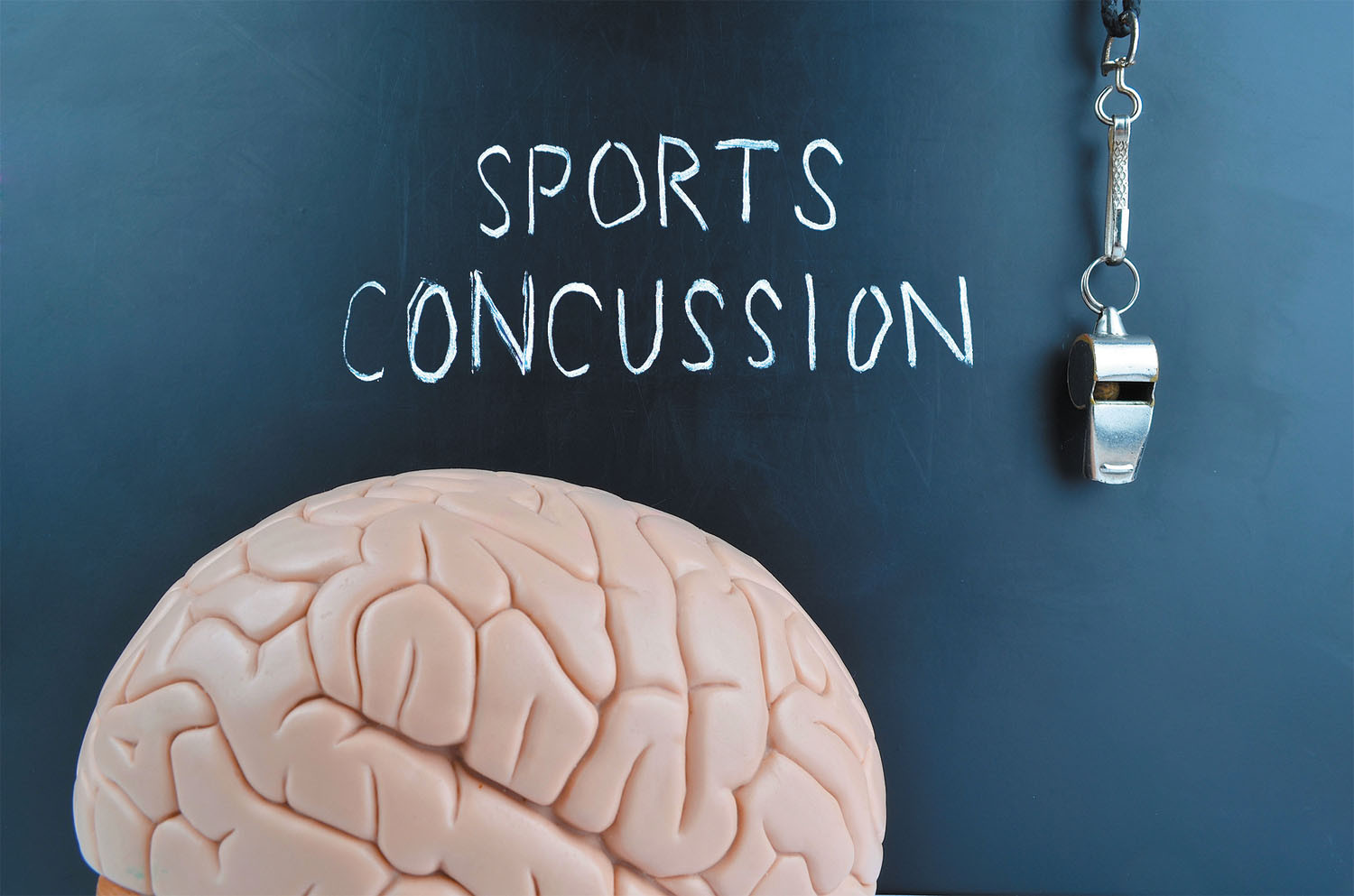
Should I worry about grandkids’ sports?
Ask the doctor
Image: © s-c-s/Thinkstock
Q. I keep hearing that concussions can cause problems later in life. Should I be concerned about my grandkids playing sports, particularly football?
A. Sports teach kids many important life lessons, like the value of teamwork and hard work, and the importance of tenacity and resilience. The most popular sport in the United States is football. Yet evidence has emerged that repeated head injuries (common in football) may lead to a brain disease called chronic traumatic encephalopathy (CTE). This disease, which currently can be diagnosed only at an autopsy, causes difficulty thinking, severe mood swings, anger, violence — and death.


Why teenagers eat Tide pods
It’s difficult to understand why teenagers would willingly engage in risky behavior like the Tide Pod Challenge. It’s due to the combination of young brains that are still growing and forming, the need to learn to take risks, and the attention and pressure from social media.

Flaws of normal memory
Regardless of age, you're unlikely to have a flawless memory. People who can remember very long lists of numbers or recall the minutiae of their daily lives — right down to what they ate for lunch every day last year—are exceedingly rare. And frankly, such a memory can be a burden rather than a blessing. Memory, it seems, is inherently flawed—and in more ways than you might think.
Daniel Schacter, a professor of psychology at Harvard University, described the most common ways that normal memory fails us in his book The Seven Sins of Memory. Some of these memory flaws become more pronounced with age, but unless they are extreme and persistent, they are not considered indicators of Alzheimer's or other memory-impairing illnesses. They are simply the way that our brains work. The following is a brief summary of two of Schacter's seven memory "sins."

The crucial brain foods all children need
Proper nutrition is crucial for mothers-to-be and their babies, as brain development depends on many nutrients and vitamins, but it’s not always easy or affordable for people to get the healthy foods they need.

Use everyday habits to keep your memory in good shape
Your daily habits and lifestyle — what you eat and drink, whether you exercise, how stressed you are, and more — affect your mental health every bit as much as your physical health. A growing body of research indicates that regular exercise and a healthful diet can help protect your memory from aging-related decline.
Exercise
Physical fitness and mental fitness go together. People who exercise regularly tend to stay mentally sharp into their 70s, 80s, and beyond. Although the precise "dose" of exercise isn't known, research suggests that the exercise should be moderate to vigorous and regular. Examples of moderate exercise include brisk walking, stationary bicycling, water aerobics, and competitive table tennis. Vigorous activities include jogging, high-impact aerobic dancing, square dancing, and tennis.

3 New Year’s resolutions all families can (and should) make
New Year’s resolutions aren’t just for grownups. Taking small steps toward a healthier, more connected life as a family can be fun and help lay the foundation for a lifetime of wellness.


Chronic inflammation in midlife linked to brain decline later
News briefs
You've probably heard about tests to measure chemicals in the blood that indicate chronic inflammation in the body. They are sometimes used to estimate risk for heart disease. But what about using these kinds of biomarkers to gauge your risk for declining brain health? A study published Nov. 1, 2017, in Neurology found that having certain inflammatory markers in midlife was associated with brain shrinkage and poor memory in older age.
Researchers measured five inflammation biomarkers in about 1,600 middle-aged people and gave them brain scans and a memory test about 25 years later. Compared with people with no elevated inflammation markers, people with high levels of three or more biomarkers scored lower on the memory test and had about 5% shrinkage in the hippocampus and other parts of the brain associated with Alzheimer's disease.
Fatty liver disease: Should you be tested?
Even a little exercise linked with lower stroke risk in people with afib
Testosterone therapy without evidence of deficiency may boost heart risk
Weight-loss drug may lower risk of heart attacks and infections
Migraine: How it's diagnosed and what that means
Tricep workouts you can do at home
Mindfulness practices to reduce stress and improve focus
Antihistamines may not offer meaningful relief from eczema symptoms
Overweight and taking blood pressure medications: Study finds it's a trend that's working
FDA approves first mRNA-based flu vaccine
Free Healthbeat Signup
Get the latest in health news delivered to your inbox!
Sign Up
