

Even a little exercise linked with lower stroke risk in people with afib

Testosterone therapy without evidence of deficiency may boost heart risk

Weight-loss drug may lower risk of heart attacks and infections

What to eat on the DASH diet

Migraine: How it's diagnosed and what that means

Tricep workouts you can do at home

Mindfulness practices to reduce stress and improve focus

Antihistamines may not offer meaningful relief from eczema symptoms

Overweight and taking blood pressure medications: Study finds it's a trend that's working

FDA approves first mRNA-based flu vaccine
Mobility, safety, and fall prevention Archive
Articles





Core exercise workout: 12 tips for exercising safely and effectively
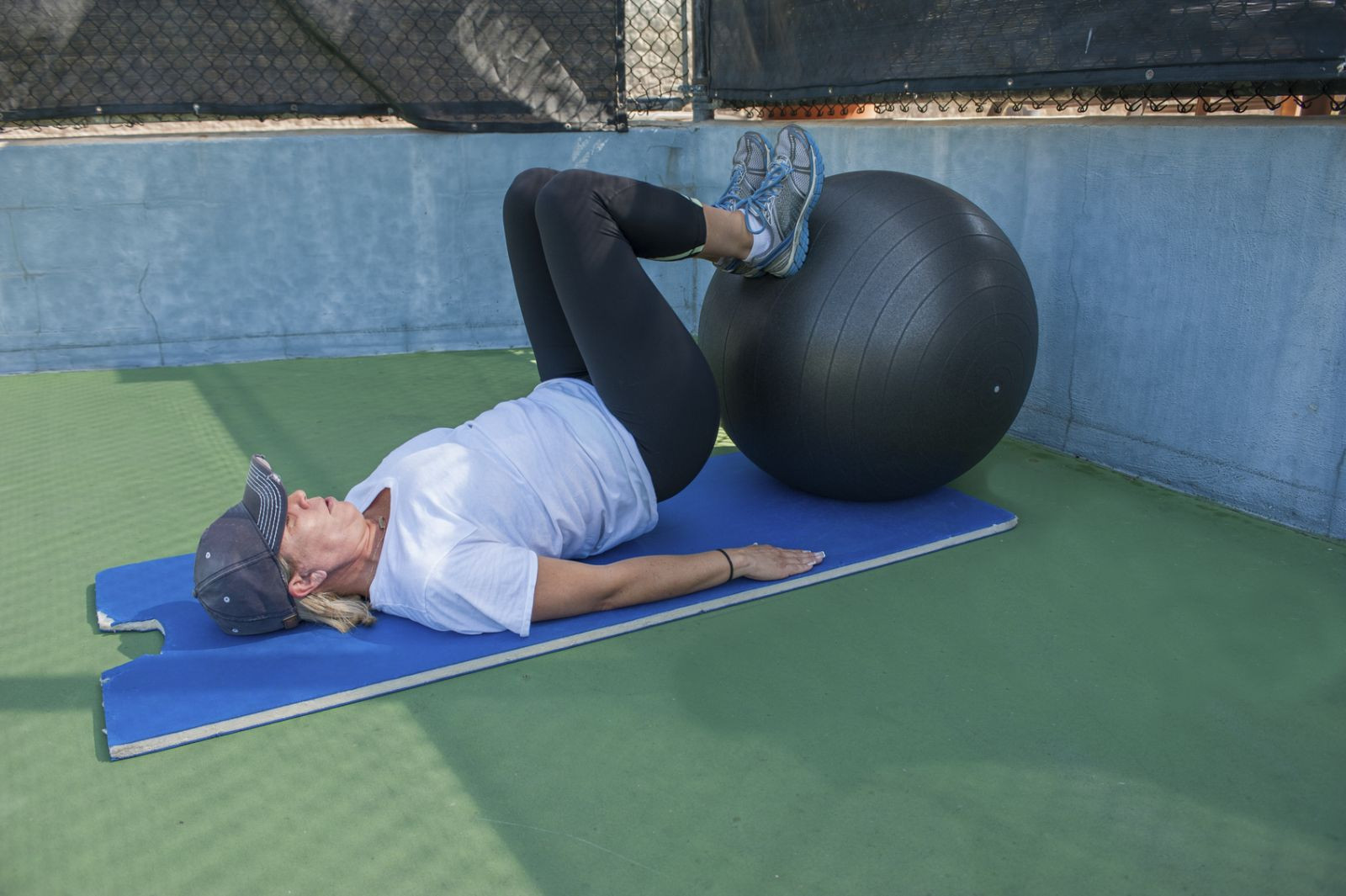
Before you start any kind of exercise regimen, think safety first. Talk to your doctor before you begin any new routine. Monitor yourself when working out to make sure you don't run into trouble and be sure you know the best way to exercise. Here are 12 tips for exercising safely and effectively.
1. Warm up. Before a full core workout, march in place for several minutes while swinging your arms, or dance to a few songs. It's safe to skip this if you've already warmed up through other activities.


Feel the beat
Your resting heart rate can be an instant measure of your present and future health.
Image: Bigstock
One of the easiest ways to gauge your health can be done in 30 seconds with two fingers. Measuring your resting heart rate (RHR), the number of heartbeats per minute while at rest, provides a real-time snapshot of your heart muscle function.
It is easy to do. Place your index and middle finger on your wrist just below the thumb, or on your neck to one side of your throat, so you can feel your pulse. Use a watch to count the number of beats for 30 seconds and double it to get your beats per minute. Repeat a few times to get an accurate reading. A normal RHR for most adults ranges from 60 to 100 beats per minute.

Cutting calories offers benefits for normal and overweight adults
Reducing daily calorie intake by 25% may improve health-related quality of life even in people who are not overweight, according to a new study. After two years following a specific diet plan, subjects lost an average of 16.7 pounds, compared with less than a pound in control subjects. They also had better mood, less tension, greater general health, higher sexual drive, and better quality of sleep.
Even a little exercise linked with lower stroke risk in people with afib
Testosterone therapy without evidence of deficiency may boost heart risk
Weight-loss drug may lower risk of heart attacks and infections
What to eat on the DASH diet
Migraine: How it's diagnosed and what that means
Tricep workouts you can do at home
Mindfulness practices to reduce stress and improve focus
Antihistamines may not offer meaningful relief from eczema symptoms
Overweight and taking blood pressure medications: Study finds it's a trend that's working
FDA approves first mRNA-based flu vaccine
Free Healthbeat Signup
Get the latest in health news delivered to your inbox!
Sign Up
