

Fatty liver disease: Should you be tested?

Weight-loss drug may lower risk of heart attacks and infections

Testosterone therapy without evidence of deficiency may boost heart risk

Even a little exercise linked with lower stroke risk in people with afib

Antihistamines may not offer meaningful relief from eczema symptoms

What to eat on the DASH diet

Tricep workouts you can do at home

FDA approves first mRNA-based flu vaccine

Migraine: How it's diagnosed and what that means

Mindfulness practices to reduce stress and improve focus
Mindfulness and meditation Archive
Articles

Hidden hurdles to mental health care
A quarter of American adults live with a mental health disorder such as anxiety, depression, obsessive-compulsive disorder, or post-traumatic stress disorder. But more than half don't seek help. Internal and external barriers may stop them from getting the care they need. Internal barriers are emotions or excuses people make to avoid treatment. External barriers include cost or difficulty finding a provider who can meet someone's individual needs. To push past obstacles, people can investigate less-expensive mental health programs or reframe guilt-inducing thoughts.

Second-guessing symptoms
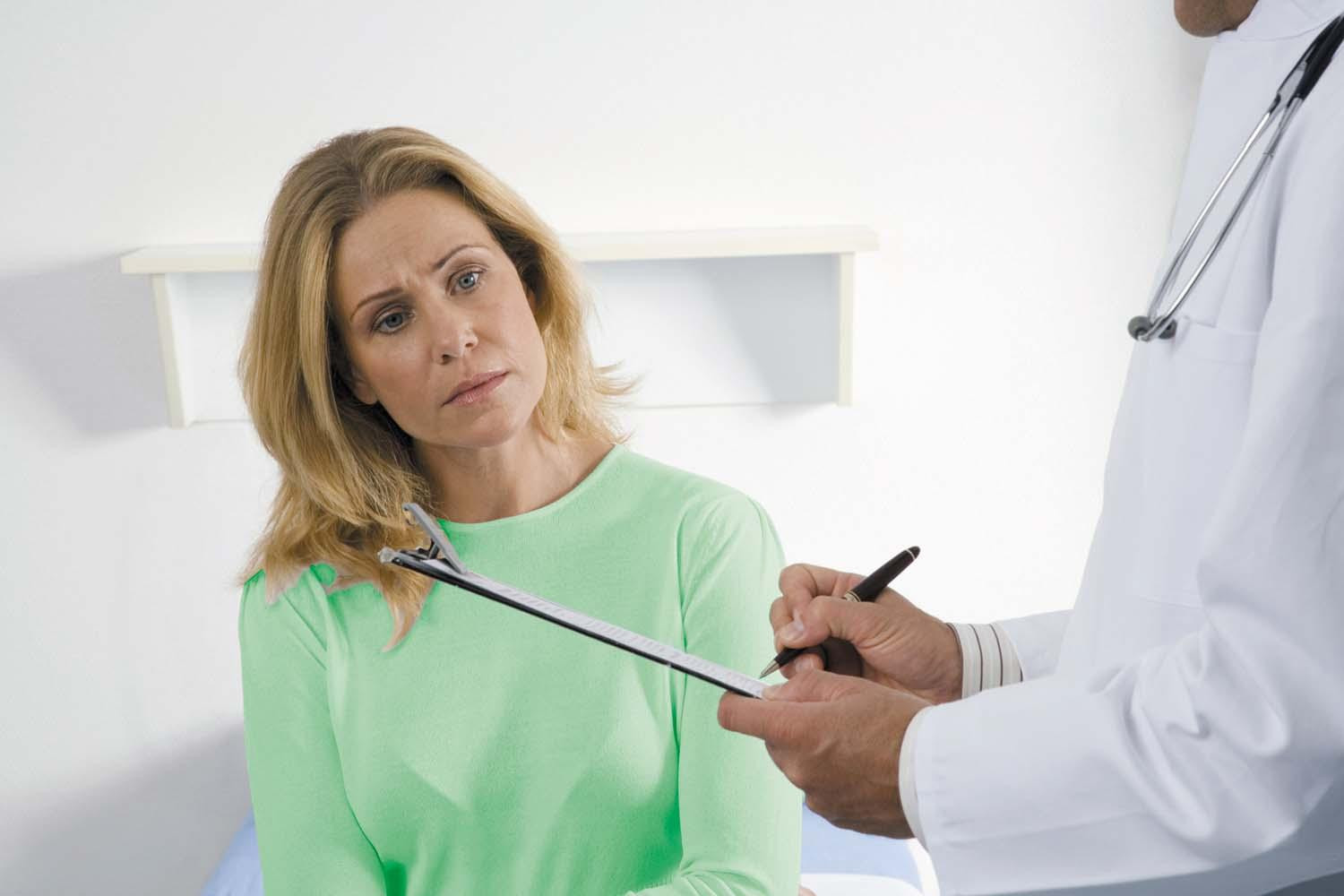
While many health symptoms resolve quickly on their own, others linger and make people wonder if they need to see a doctor. Symptoms that warrant a doctor's visit include drawn-out cold symptoms such as fatigue, cough, and low-grade fever; a fever lasting more than four days; unexpected symptoms when starting a new medication or after surgery; certain digestive problems; and new or worsening mental health issues.

Chronic stress may raise women's stroke risk
A 2025 study found that chronic stress is associated with higher stroke risks among women under 50, but not in men.

How to avoid catastrophic thinking
People trapped in catastrophic thought patterns are convinced everything is awful and won't improve, which creates a constant sense of helplessness, anxiety, and stress. One way to stop this doomsday thinking is learning how to mentally pivot. Mental pivoting is the action of consciously deciding to deflect thoughts when they arise, so they don't fester and grow. By doing this, people can feel more in control of invasive thoughts when they arise.

An introvert's guide to socializing
An active social life is good medicine for the body and brain as it lowers the risk for many chronic diseases and protects against dementia and mild cognitive impairment. However, people who are introverts and enjoy their solitude can struggle with engagement. These individuals can benefit from socializing while maintaining their comfort levels by engaging in activities like joining social clubs and other groups, taking classes, and attending public events.

Staying socially active linked to delayed dementia diagnosis
In a 2025 study of about 2,000 people (average age 80) who were followed for seven years, about a third developed dementia or mild cognitive impairment. Being socially active seemed to delay that diagnosis for about five years.

The heartfelt effects of kindness
Engaging in prosocial, altruistic behavior that benefits other people-such as doing volunteer work, giving money to charity, or performing small acts of kindness-may be beneficial to cardiovascular health. Possible mechanisms include reductions in stress and blood pressure. Volunteering has also been associated with improvements in heart-related risks, including increased step counts and less depression.

The healing power of kindness
Acts of kindness do more than make the giver and recipient feel good-they can also bolster psychological and physical health. Research suggests kindness can improve happiness and increase social connectedness as well as reduce anxiety and lower blood pressure. Evidence also suggests concentrating good deeds into shorter time periods enhances well-being more powerfully than spreading actions out. Kind acts can include complimenting people, running errands for a neighbor, making a donation to charity, and signing up to volunteer.

Do you need a mental health day?
Just as it's wise for people to take a sick day when they have a cough, fever, or nausea, certain signs indicate people need a mental health day. These include feeling burned out at work, overwhelmed by personal issues, unmotivated, exhausted by work or life demands, more anxious or depressed than usual, unable to sleep consistently, or drawn to substance use. While some spend a mental health day on indulgent activities, others run errands or tick items off their to-do list. Not taking a mental health day when needed can trigger flare-ups of depression or anxiety.
Fatty liver disease: Should you be tested?
Weight-loss drug may lower risk of heart attacks and infections
Testosterone therapy without evidence of deficiency may boost heart risk
Even a little exercise linked with lower stroke risk in people with afib
Antihistamines may not offer meaningful relief from eczema symptoms
What to eat on the DASH diet
Tricep workouts you can do at home
FDA approves first mRNA-based flu vaccine
Migraine: How it's diagnosed and what that means
Mindfulness practices to reduce stress and improve focus
Free Healthbeat Signup
Get the latest in health news delivered to your inbox!
Sign Up
