

Fatty liver disease: Should you be tested?

Weight-loss drug may lower risk of heart attacks and infections

Testosterone therapy without evidence of deficiency may boost heart risk

Even a little exercise linked with lower stroke risk in people with afib

Antihistamines may not offer meaningful relief from eczema symptoms

What to eat on the DASH diet

Tricep workouts you can do at home

FDA approves first mRNA-based flu vaccine

Migraine: How it's diagnosed and what that means

Mindfulness practices to reduce stress and improve focus
Mindfulness and meditation Archive
Articles

What is EMDR therapy, and who can it help?
Eye movement desensitization and reprocessing (EMDR) therapy is recognized as a proven method for treating post-traumatic stress disorder. It also shows promise for other mental health conditions, including personality disorders, anxiety, and depression.

Yes, you can overcome malaise!
Malaise is a feeling of weakness, fatigue, or being generally unwell. Addressing underlying causes and making healthy lifestyle changes - such as exercising regularly, eating a healthy diet, and getting enough sleep - can help people with malaise feel better.

Tips to cultivate your joyspan
Joyspan is a term coined by gerontologist Kerry Burnright that refers to the satisfaction and well-being people experience as they move through life. Joy is associated with health benefits such as better immune function, resilience, and longevity.
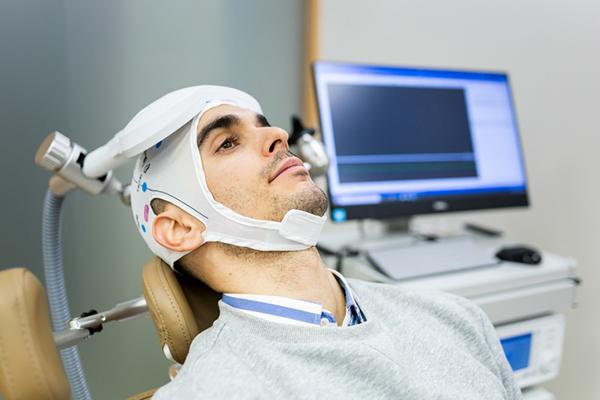
TMS treatment may succeed when depression drugs fail
Transcranial magnetic stimulation (TMS) uses magnetic pulses to repeatedly activate areas of the brain involved in mood regulation. Updated protocols hold the promise of rapid relief from major depression.
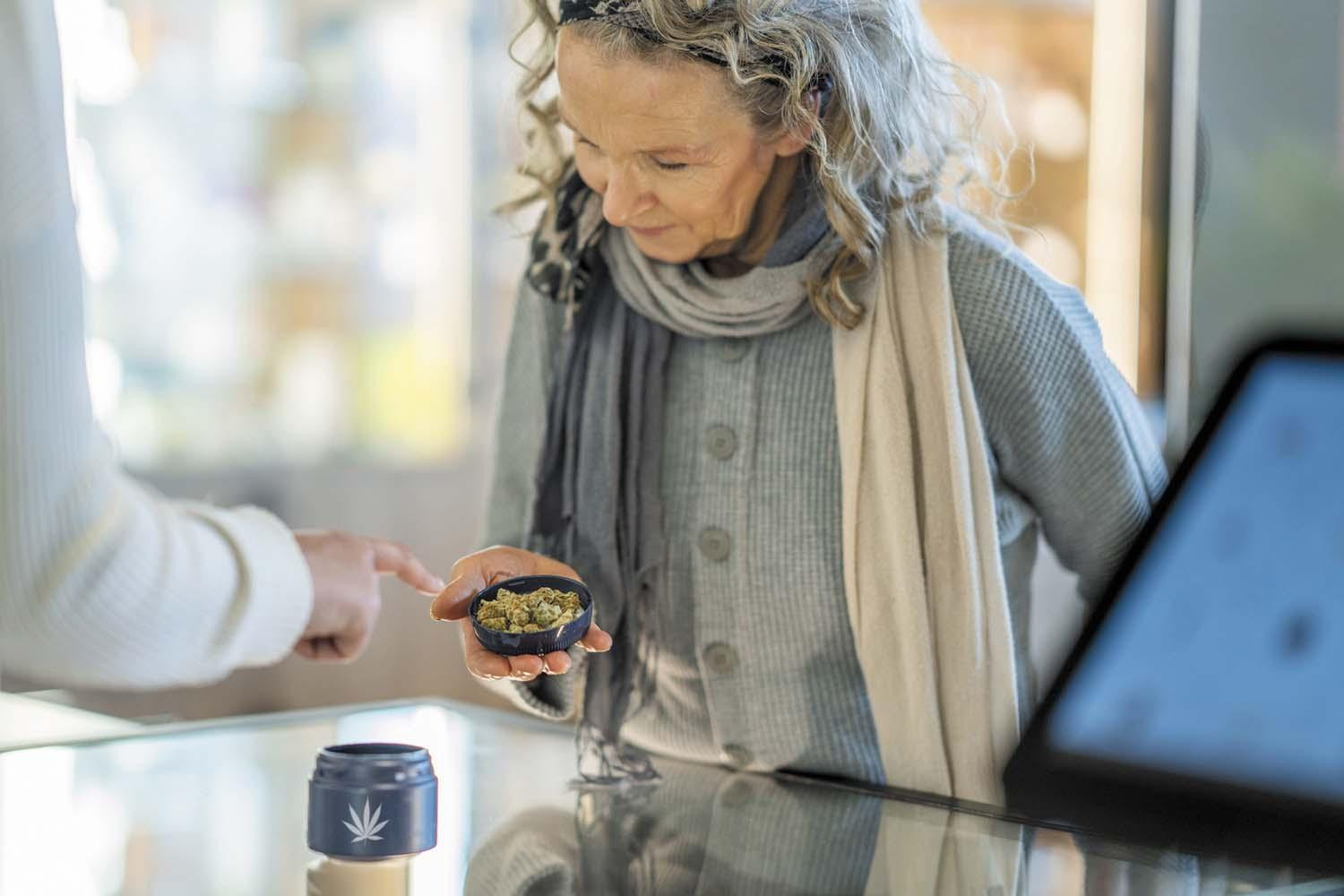
Relief or risk? Using cannabis as we age
Increasing numbers of older adults are using cannabis over recent years. People over 50 report using it to relax, sleep better, feel good, relieve pain, improve mood or mental health, or treat medical conditions. But older adults are more vulnerable to cannabis side effects, such as falls or interactions with prescription and over-the-counter drugs. Many older adults aren't aware that cannabis products today are far more potent than in decades past. Medical visits related to cannabis use rose more than 27-fold among adults 65 and older between 2008 and 2021.
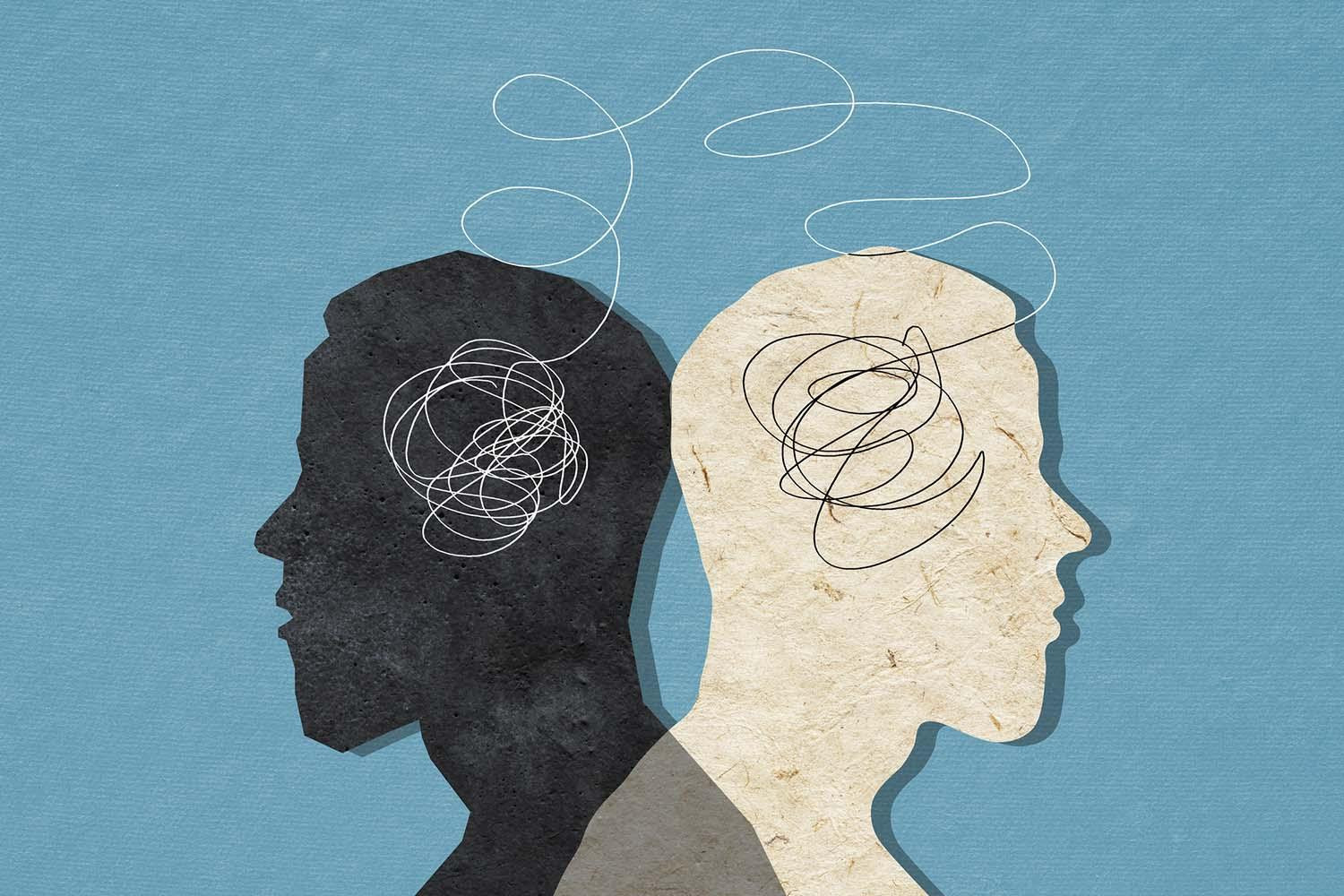
How cognitive behavioral therapy can help men
Men who could benefit from therapy often resist it because it carries a negative stigma for them and they feel uncomfortable about seeking help. For these individuals, cognitive behavioral therapy (CBT) may be an option. Many men find CBT appealing because it is short-term, structured, and focused on current issues. CBT is regularly used to treat depression and anxiety disorders, but it can help with managing other common ailments, such as insomnia, chronic pain, irritable bowel syndrome, chronic fatigue syndrome, fibromyalgia, and migraines.

Adult ADHD: Overcoming the stigma
ADHD is often misunderstood and surrounded by stigma. Learn what ADHD looks like in adults, common myths, and ways to help manage symptoms and improve daily life.

How does prostate cancer treatment affect mental health?
The long-term outlook for men diagnosed with prostate cancer continues to improve. These medical advances, however, have also drawn attention to the mental health challenges many survivors encounter. It's still common for survivors to struggle with loss of masculine self-esteem and changes in body image.

Advancing age and mental health disorders
People have a 50% chance of developing at least one mental health disorder by age 75, according to some research. Among men, the most common are alcohol use disorder, depression, and anxiety disorders, with social anxiety disorder being the most prevalent of those. Many men miss the early warning signs of these disorders, or when they do, they often try to push through, which can worsen the symptoms. But identifying when they might have a problem is the first step toward seeking help.
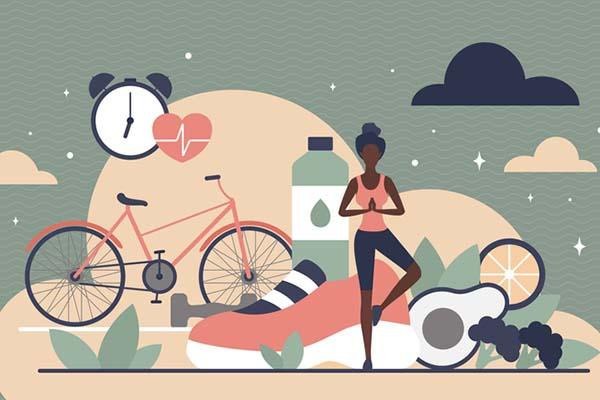
5 timeless habits for better health
Influencers, news headlines, and well-meaning friends and family offer conflicting advice on wellness. Quick fixes and fads may do little for our health, and some even prove harmful. Try to work these five simple habits that can boost health and wellness into your everyday life.
Fatty liver disease: Should you be tested?
Weight-loss drug may lower risk of heart attacks and infections
Testosterone therapy without evidence of deficiency may boost heart risk
Even a little exercise linked with lower stroke risk in people with afib
Antihistamines may not offer meaningful relief from eczema symptoms
What to eat on the DASH diet
Tricep workouts you can do at home
FDA approves first mRNA-based flu vaccine
Migraine: How it's diagnosed and what that means
Mindfulness practices to reduce stress and improve focus
Free Healthbeat Signup
Get the latest in health news delivered to your inbox!
Sign Up
