

Oat vs. dairy milk: Nutrition, benefits, and downsides

Microplastics: A hidden health threat?

Healing after food poisoning

What is tempeh? Benefits, nutrition, and how to use it

Light exposure at night may raise risk for heart disease

Whole grains may improve several heart risk factors at once

A lumbar belt may help ease low back pain

Children of centenarians may stay healthier and live longer too, study finds

Signs of pneumonia: Sometimes vague and unexpected

The surprising link between ovarian cancer and the fallopian tubes
Independent Living Archive
Articles

Considering collagen drinks and supplements?
Celebrities and influencers claim that consuming collagen could have miraculous benefits for skin, hair, and nails. But what does the science say?

Fall allergen alert
Ragweed pollen and mold spores are common causes of allergies during the fall months. Breathing them into the lungs may cause the body to overreact, leading to classic allergy symptoms of a runny nose, watery eyes, and sneezing.


Don't let muscle mass go to waste
Age-related muscle loss is a natural part of getting older. But muscle loss can occur faster after an injury, illness, or any prolonged period of inactivity, leading to muscle atrophy. The consequences can mean overall weakness, poor balance, and even frailty. The good news is that it's possible to rebuild lost muscle through a comprehensive program that includes physical therapy, strength training, cardio, flexibility, and a nutrition plan that includes more protein and calories.

5 tips to get your eating habits back on track
Eating healthy during the COVID-19 pandemic has been a challenge for some. But using simple strategies, such as building meals from three categories (a protein, a vegetable, and a carbohydrate) and aiming to ensure that at least half of your plate includes healthy options. It’s also a good idea to keep food out of sight to avoid mindless eating if you are spending more time at home.
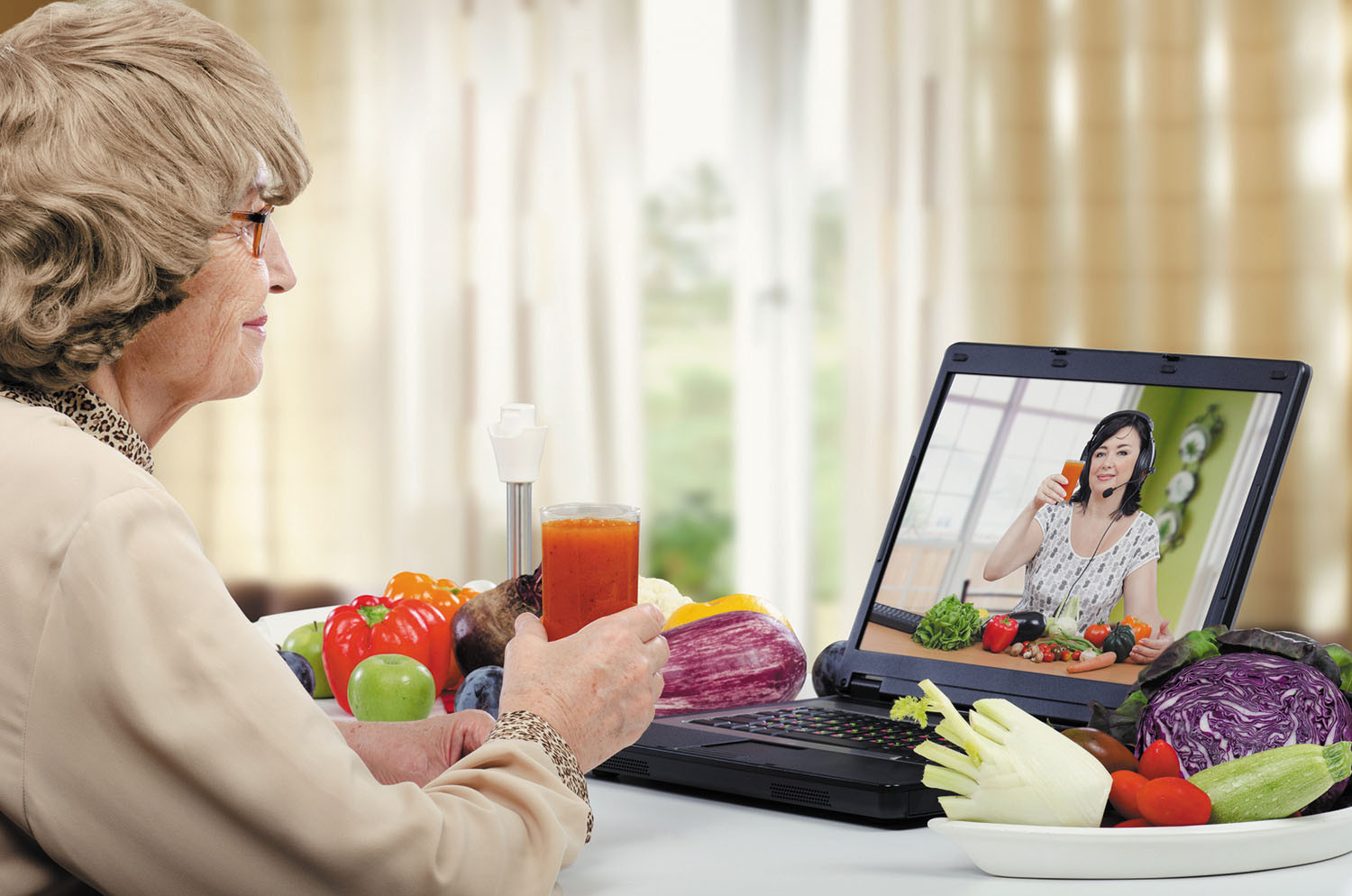
Extra support for better health
A variety of coaches can help people reach their particular health goals. Health and wellness coaches inspire and guide clients to shift their mindset and develop new, healthy behaviors. Fitness professionals—such as personal trainers or exercise physiologists—develop and prescribe exercise regimens to help clients. Dietitians develop eating plans tailored to clients’ needs, such as weight loss or gain, or preventing or treating chronic disease. And culinary coaches use coaching principles and cooking expertise to teach people how to shop for and prepare healthy meals.

Eat smart
The right diet may help reduce your risk of Alzheimer’s disease and other types of dementia. Eating foods included in the DASH and Mediterranean diets helps maintain brain health by keeping blood flowing efficiently and reducing the damaging effects of inflammation. Some good foods to add to your diet are fatty fish, berries, plant oils, nuts, and coffee.

The good side of bacteria
Probiotics are good bacteria that keep the gut healthy and help fight infections and inflammation. Some research suggests that certain probiotics help relieve symptoms of gut-related conditions like inflammatory bowel disease and irritable bowel syndrome. Fermented foods are the best sources of probiotics, such as yogurt, pickles, sauerkraut, and sourdough bread.

The not-so-sweet truth about sugar
Sweeteners come in many varieties, including table sugar, honey, and maple syrup, high-fructose corn syrup and agave syrup. But regardless of type, from a biochemical and metabolic standpoint they are all virtually the same. Unfortunately, too much of any type is bad for one’s health.

Vitamin D supplements linked to lower risk of advanced cancer
A study published by JAMA Network Open found that people taking vitamin D supplements were less likely to have a cancer that spread from the original tumor site to another part of their body or one that proved fatal. However, this risk reduction was only seen in people who were at a normal weight, not those who were overweight or obese. The study did not find that people who took vitamin D were less likely to develop cancer over all compared with those who did not.
Oat vs. dairy milk: Nutrition, benefits, and downsides
Microplastics: A hidden health threat?
Healing after food poisoning
What is tempeh? Benefits, nutrition, and how to use it
Light exposure at night may raise risk for heart disease
Whole grains may improve several heart risk factors at once
A lumbar belt may help ease low back pain
Children of centenarians may stay healthier and live longer too, study finds
Signs of pneumonia: Sometimes vague and unexpected
The surprising link between ovarian cancer and the fallopian tubes
Free Healthbeat Signup
Get the latest in health news delivered to your inbox!
Sign Up
