

Even a little exercise linked with lower stroke risk in people with afib

Testosterone therapy without evidence of deficiency may boost heart risk

Weight-loss drug may lower risk of heart attacks and infections

What to eat on the DASH diet

Migraine: How it's diagnosed and what that means

Tricep workouts you can do at home

Mindfulness practices to reduce stress and improve focus

Antihistamines may not offer meaningful relief from eczema symptoms

Overweight and taking blood pressure medications: Study finds it's a trend that's working

FDA approves first mRNA-based flu vaccine
Improving sleep Archive
Articles

"Vitamin M" — is melatonin the cure for your sleep problems?
The CDC estimates that 70 million Americans suffer from chronic sleep problems. For some, melatonin is believed to be a safe treatment option because it is a hormone produced by our bodies. But evidence of its effectiveness is lacking, and inconsistent quality of product is a concern.

Treating insomnia may head off depression
Treating insomnia with cognitive behavioral therapy (CBT-I) may reduce the risk of depression in older adults. CBT-I seeks to modify thoughts and habits to improve sleep. It outperformed a more traditional insomnia treatment, sleep education therapy (SET), which seeks to change environmental factors and behaviors that contribute to poor sleep.

Do allergies make snoring worse?
Allergies that cause nasal congestion, sneezing, and a runny nose (what doctors call allergic rhinitis) can cause more frequent and louder snoring. Treating allergic rhinitis can reduce snoring and other symptoms related to poor-quality sleep.

Harvard study: Fish oil doesn't prevent depression
A large, randomized Harvard study published online Dec. 21, 2021, by JAMA found that taking fish oil supplements didn't prevent depression in otherwise healthy older adults.

Can we prevent depression in older adults by treating insomnia?
Depression is common among older adults, and insomnia doubles the risk of major depressive disorder. There is increasing evidence that treating insomnia in older people who have both insomnia and major depression has the potential to improve both their sleep and their mood.

Dragging your feet? You may need to catch up on sleep
Getting adequate sleep may help improve a person's gait, and catching up on short sleep may help people avoid walking problems usually caused by fatigue.

Shield your brain from decline
The acronym SHIELD sums up the habits that may help ward off cognitive decline. SHIELD stands for sleeping at least seven hours per night, handling stress, interacting with friends, exercising daily, learning new things, and eating a healthy diet. Ideally, one should incorporate all of these healthy lifestyle habits into each day. If that feels overwhelming, doctors advise focusing on a different healthy habit per day, until it's possible to practice all of the habits every day.
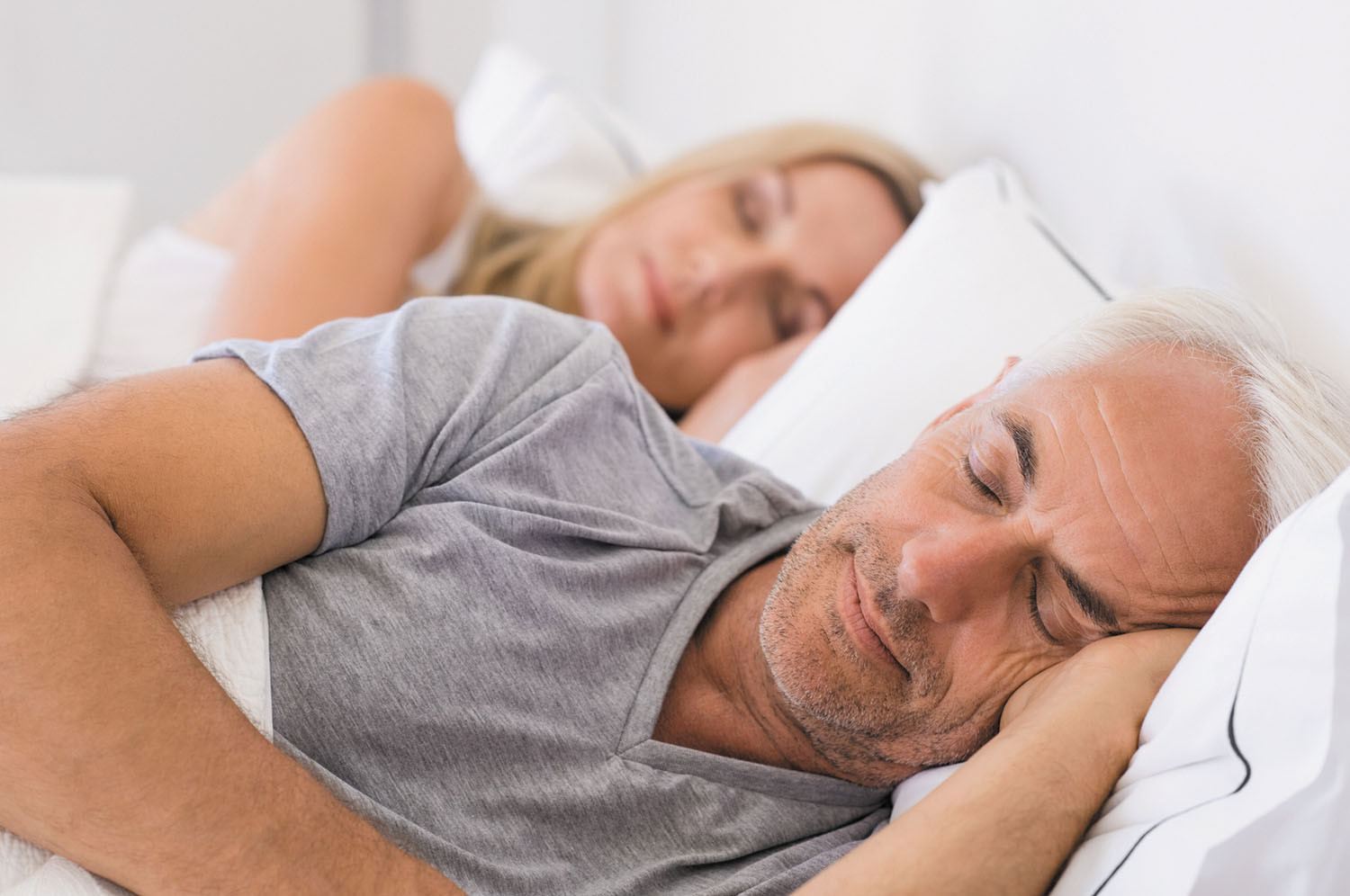
The best bedtime for heart health?
People who fall asleep between 10 and 11 p.m. may be less likely to develop heart disease than those who start their slumber earlier or later.

Naps: Make the most of them and know when to stop them

A single-session class offers chronic low back pain relief
Even a little exercise linked with lower stroke risk in people with afib
Testosterone therapy without evidence of deficiency may boost heart risk
Weight-loss drug may lower risk of heart attacks and infections
What to eat on the DASH diet
Migraine: How it's diagnosed and what that means
Tricep workouts you can do at home
Mindfulness practices to reduce stress and improve focus
Antihistamines may not offer meaningful relief from eczema symptoms
Overweight and taking blood pressure medications: Study finds it's a trend that's working
FDA approves first mRNA-based flu vaccine
Free Healthbeat Signup
Get the latest in health news delivered to your inbox!
Sign Up
