

Salmonella, E. coli, Cyclospora, and other germs that cause food poisoning: What you need to know

Understanding orthorexia: Have your healthy eating goals gone too far?

Melatonin or magnesium: Can either supplement help you sleep?

Naturally gluten-free foods

Harvard study: Healthier fats linked to longer life after prostate cancer diagnosis

Shingrix shingles vaccine linked with lower heart disease risks

Estrogen-only hormone therapy tied to lower dementia risk
Should you have a hysterectomy?

Stair climbing may significantly lower cardiovascular risks

Walking pneumonia: The "mild" illness that can still pack a punch
Heart valve issues Archive
Articles

Weight-loss strategies to protect your heart
Obesity is a common, chronic disease that can harm the heart. The powerful weight-loss medications known as GLP-1s, semaglutide (Ozempic, Wegovy) and tirzepatide (Mounjaro, Zepbound), are now recommended as first-line therapy for eligible people, according to the American College of Cardiology. People using these drugs should work with a dietitian or nutritionist who can help them create a personalized eating plan that ensures they're getting enough nutrients while minimizing common side effects.
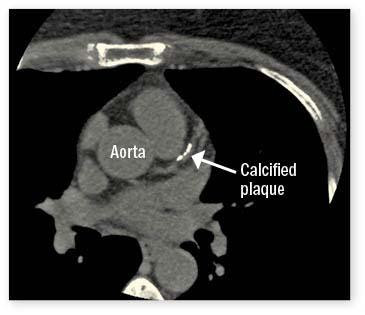
When incidental findings on scans reveal hidden heart disease
Imaging tests such as chest CT scans and mammograms, which can detect calcium deposits in arteries, can provide information about a person's cardiovascular health. These so-called incidental findings-when a medical test discovers something unrelated to the original purpose of the test-have become increasingly common in recent years. With a chest CT, calcifications are grouped into four categories: none, mild, moderate, or severe. That's often enough for a cardiologist to make a solid decision about whether to maintain or intensify a person's drug treatment to prevent heart disease progression.

Just 7,000 daily steps reduces heart disease risk
A 2025 review found the people who walked 7,000 steps per day had a 25% lower of cardiovascular disease and a 47% lower risk of death from all causes compared to people who walked only 2,000 steps per day.

Heart-healthy habits appear to benefit the entire body
Habits that promote cardiovascular health are linked to benefits in nearly every organ system and improved function throughout the body, according to a 2025 review of 483 studies.

A cold drink may trigger an episode of atrial fibrillation
For some people with atrial fibrillation, cold drinks and foods can trigger a bout of the rapid, irregular heartbeat that characterizes the disorder. Avoiding those triggers nearly always prevents this phenomenon, dubbed "cold drink heart."

The future of blood pressure monitoring: Cuffless devices
Many devices that measure blood pressure without an inflatable arm cuff are in development, including a wristband recently cleared by the FDA for over-the-counter sale. It relies on a light-based sensor to detect changes in the amount of blood flowing through the vessels of the inner wrist, a technique known as photoplethysmography. But the devices have to be periodically calibrated, and as yet, there are no standards to validate the accuracy of cuffless devices.

A 5-step plan to eat more produce
Few people get the recommended two fruits and three vegetables per day. Tips for helping people add more produce into their diets include starting small (making just one minor addition or substitution at a time and sticking with it for several weeks); choosing smarter snacks (like hummus and carrots or apples and peanut butter); sneaking pureed vegetables into pasta and other dishes; making smoothies and soups; and relying on frozen fruits and vegetables.
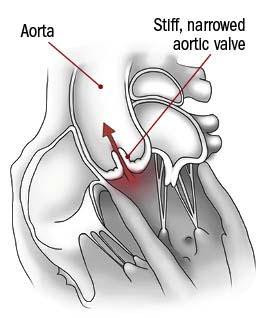
Can you slow down stenosis of the aortic valve?
There are no medications to treat aortic stenosis (narrowing of the aortic valve), but several possibilities are currently being studied, including a class of drugs to treat diabetes and others that lower high lipoprotein(a) blood levels.

Marijuana linked to doubled risk of cardiovascular death
In a 2025 analysis involving about 200 million people, those who used cannabis had a 29% higher risk for sudden heart attacks or angina and twice the risk of premature death from cardiovascular disease, compared with people who didn't use cannabis.
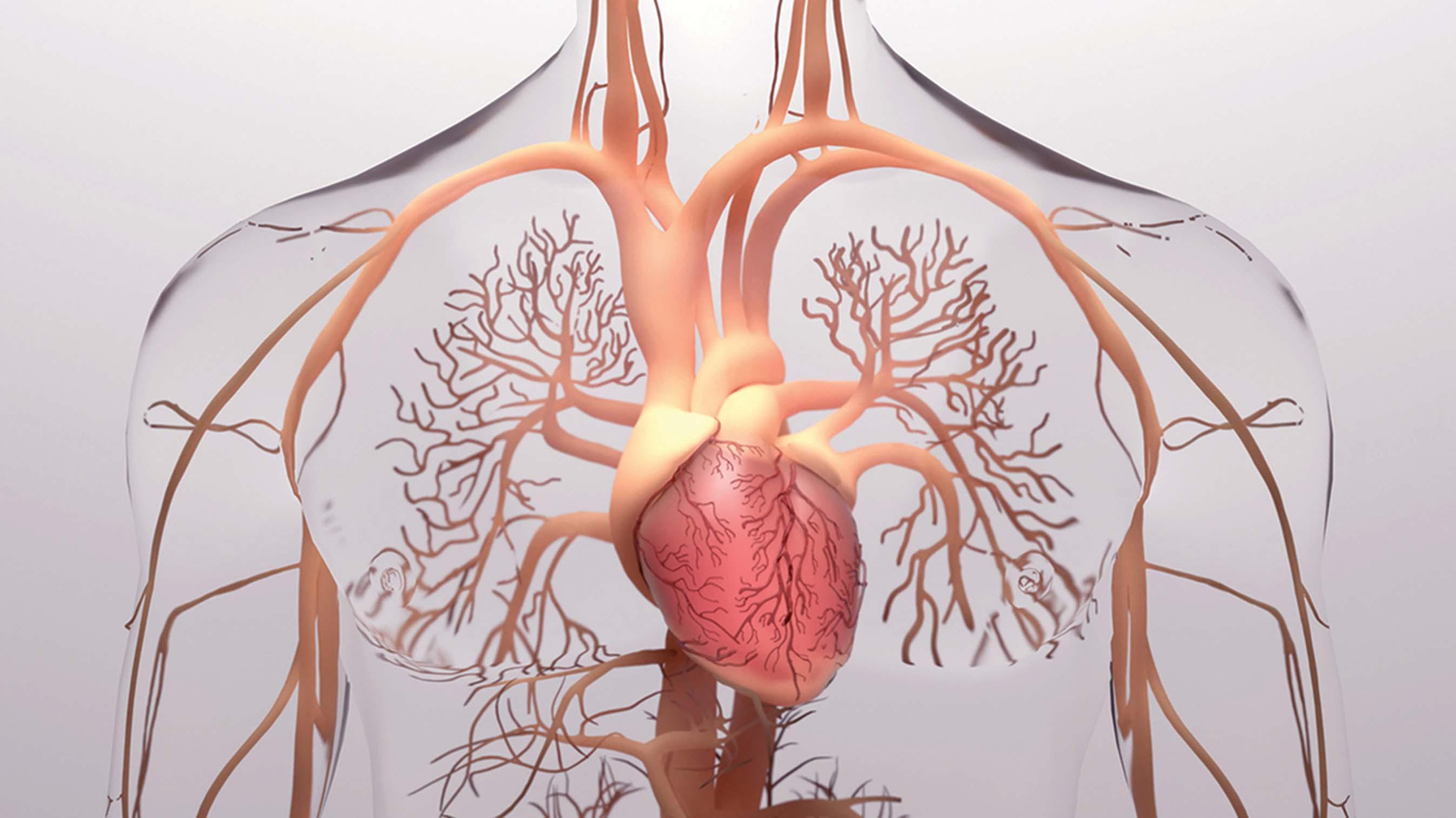
The changing nature of coronary artery disease
Growing numbers of people have microvascular disease, which is caused by problems in the network of tiny blood vessels in the heart rather than blockages in the heart's major arteries. Evidence for this trend comes from large studies using diagnostic imaging tests coupled with heart disease registry data. Experts believe today's higher rates of obesity, diabetes, high blood pressure, and chronic kidney disease is changing how cardiovascular disease is manifested.
Salmonella, E. coli, Cyclospora, and other germs that cause food poisoning: What you need to know
Understanding orthorexia: Have your healthy eating goals gone too far?
Melatonin or magnesium: Can either supplement help you sleep?
Naturally gluten-free foods
Harvard study: Healthier fats linked to longer life after prostate cancer diagnosis
Shingrix shingles vaccine linked with lower heart disease risks
Estrogen-only hormone therapy tied to lower dementia risk
Should you have a hysterectomy?
Stair climbing may significantly lower cardiovascular risks
Walking pneumonia: The "mild" illness that can still pack a punch
Free Healthbeat Signup
Get the latest in health news delivered to your inbox!
Sign Up
