

Naturally gluten-free foods

Harvard study: Healthier fats linked to longer life after prostate cancer diagnosis

Shingrix shingles vaccine linked with lower heart disease risks

Estrogen-only hormone therapy tied to lower dementia risk

Should you have a hysterectomy?

Stair climbing may significantly lower cardiovascular risks

Why do I sweat so much?

Walking pneumonia: The "mild" illness that can still pack a punch

What causes knee pain: How doctors make a diagnosis

Where you carry excess weight matters in predicting heart disease risk
Heart Health Archive
Articles

Ask the doctor: Reversing atherosclerosis?
Some people may be able to reverse the buildup of plaque inside their heart’s arteries by taking high-dose cholesterol-lowering drugs or by following a strict, plant-based diet combined with exercise and stress reduction.

Ask the doctor: Checking for blocked arteries in heart failure?
When a person develops heart failure without a good explanation for the underlying cause, a heart catheterization to check for blockages in the coronary arteries may be appropriate.

How to trim your medication costs
Prescription drug prices are rising. Three strategies may help lower your pharmacy bill.
Image: UrosPoteko/Thinkstock
If you're trying to avoid (or already have) heart disease, chances are you're taking several prescription medications. In fact, about a third of adults over age 62 take at least five prescription drugs, which can be a real budget buster for some people. And recent rises in drug prices, especially for new, brand-name medications, are enough to make anyone gulp.
"By working with your doctor and your pharmacist and spending some time shopping around, you may be able to lower your pharmacy bill," says John Fanikos, director of pharmacy at Harvard-affiliated Brigham and Women's Hospital. He suggests three main strategies:

Thinking about sex after a heart attack
Frank discussions with a doctor can help heart attack survivors return to sexual activity.
Image: UrosPoteko/Thinkstock
Few things shake your sense of well-being more than a sudden heart attack. When the initial shock wears off, an over-whelming need to get life back to normal as quickly as possible usually takes hold. "Patients always ask me when can they drive again, when can they start exercising, and when can they return to work," says Dr. Donna Polk, a cardiologist at Harvard-affiliated Brigham and Women's Hospital. A key issue that seldom gets mentioned, though, is the struggle many heart attack survivors encounter when trying to resume their sex lives.
The same physical changes involved in a heart attack can conspire to diminish sexual enjoyment. Faulty circulation throughout the body, a hallmark of cardiovascular disease, reduces the amount of blood that reaches the sex organs. Men may develop erectile difficulties, and women may not have the blood flow needed for vaginal arousal and lubrication.
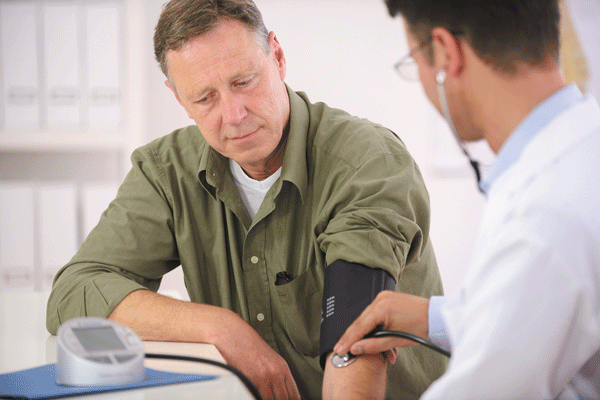
Blood pressure: Can it be too low?
New findings focus on diastolic blood pressure—the second number in your blood pressure reading.
Image: mangostock/Thinkstock
Of the two numbers that make up your blood pressure reading, the first one (systolic blood pressure) typically gets more attention. That's because as people age, their arteries lose their elasticity, and the inner walls are more likely to accumulate cholesterol-laden plaque. These factors tend to raise systolic blood pressure, a measure of the pressure inside the arteries when the heart contracts to pump blood throughout the body.
Current guidelines suggest that most people should aim for a systolic blood pressure reading of 140 millimeters of mercury (mm Hg) or lower. But last year, a widely publicized clinical trial suggested that a target of 120 mm Hg could further reduce the dangers associated with high blood pressure (namely, heart attack, stroke, heart failure, and death).

To keep your heart working well, stay active as you age
As people grow older, their hearts tend to become thicker and stiffer and not pump as effectively. But those who stay physically active as they move from middle age into their 70s may be less likely to develop age-related declines in heart function.

Gene discoveries may pave the way for new blood pressure drugs
The discovery of 44 gene sites associated with high blood pressure may provide leads for developing new drugs to treat this common condition.
Throughout life, heart attacks are twice as common in men than women
Throughout life, men seem to be twice as likely to have a heart attack as women. This risk appears to persist even after accounting for risk factors such as high cholesterol, high blood pressure, and diabetes.

Low levels of HDL (the “good” cholesterol) appear connected to many health risks, not just heart disease
Low LDL cholesterol and high HDL cholesterol lower your risk for cardiovascular disease. That is what the studies have always shown us. But a new study suggests that low HDL itself may not be the risk factor for heart disease we thought it was. It could merely be a sign of an unhealthy lifestyle, or other health risk factors, that also contribute to heart disease. Trying to find medications to raise HDL cholesterol may not be as effective as encouraging people to adopt healthier habits.
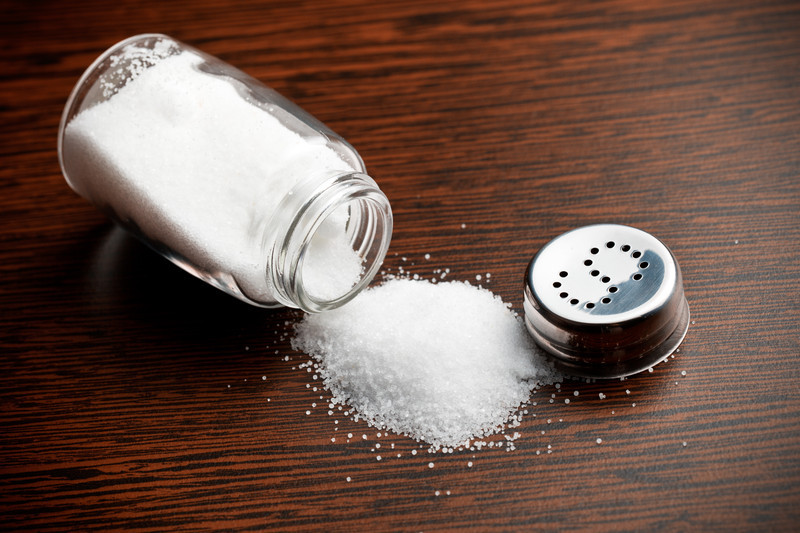
6 ways to eat less salt
DASH diet effective but not the only way to reduce sodium
Your body needs a little bit of salt every day for the sodium it contains. But too much sodium can boost blood pressure and stress the heart and blood vessels. The low-sodium Dietary Approaches to Stop Hypertension (DASH) diet is high in fruits, vegetables, and whole grains; moderately high in nuts and low-fat dairy products; and low in red and processed meats. Following it can lower blood pressure and reduce the risk of heart disease and stroke.
The DASH diet is a good way to eat healthy. But there's no need to follow that specific diet to get measurable results. If you want to tackle cutting back on sodium, try these six tips:
Naturally gluten-free foods
Harvard study: Healthier fats linked to longer life after prostate cancer diagnosis
Shingrix shingles vaccine linked with lower heart disease risks
Estrogen-only hormone therapy tied to lower dementia risk
Should you have a hysterectomy?
Stair climbing may significantly lower cardiovascular risks
Why do I sweat so much?
Walking pneumonia: The "mild" illness that can still pack a punch
What causes knee pain: How doctors make a diagnosis
Where you carry excess weight matters in predicting heart disease risk
Free Healthbeat Signup
Get the latest in health news delivered to your inbox!
Sign Up
