

Healing after food poisoning

What is tempeh? Benefits, nutrition, and how to use it

Light exposure at night may raise risk for heart disease

Whole grains may improve several heart risk factors at once

A lumbar belt may help ease low back pain

Children of centenarians may stay healthier and live longer too, study finds

Signs of pneumonia: Sometimes vague and unexpected

The surprising link between ovarian cancer and the fallopian tubes

Using a vibration plate: What it can — and can't — do for your body

People who walk more or walk faster live longer, study finds
Heart Failure Archive
Articles

How a healthy gut helps your heart
Following a plant-based eating pattern and cutting back on highly processed foods can help promote a more diverse, healthier microbiome. A healthy gut microbiome may decrease inflammation that promotes heart disease. Most fruits, vegetables, beans, and whole grains are good sources of prebiotic fiber, which is broken down by gut bacteria to create short-chain fatty acids. These fatty acids are linked to lower inflammation and reductions in other heart disease risk factors.

Are you an everyday exerciser or a weekend warrior?
People who get most of their recommended weekly physical activity over one or two days may lower their heart disease risk just as much as those who are active more regularly throughout the week. Evidence also suggests there's no particular benefit to exercising at certain times of the day, including with respect to mealtimes. So people should be physically active whenever they find it to be most convenient.

Saturated fat: How much is okay?
Too much saturated fat tends to raise levels of harmful LDL cholesterol, but limited amounts are not a problem. Eating mostly whole or minimally processed foods can help achieve that goal.


Can you have a heart attack and not know it?
Silent heart attacks often go unnoticed because they don't produce any symptoms or only mild symptoms that are mistaken for something else, such as heartburn or muscle pain. They are thought to make up from 20% to 60% of heart attacks and can raise risk of a future heart attack or related problem. Both women and men are at substantial risk. Making lifestyle changes and being proactive about managing risk factors for heart disease can help prevent future heart-related problems.


Fatty liver disease: A threat to the heart?
A buildup of fat inside the liver, known as nonalcoholic fatty liver disease (NAFLD) affects about 25% of adults. This under-recognized condition is closely linked to obesity (especially excess weight around the middle of the body), type 2 diabetes, and cardiovascular disease. People with NAFLD can slow or even reverse the condition with the same lifestyle strategies that improve cardiovascular health: losing weight, adopting a healthy diet, and exercising regularly.

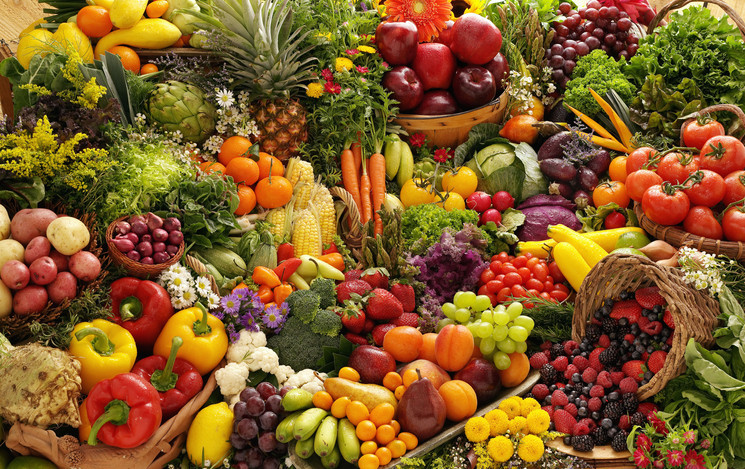
Produce prescriptions may promote better heart health
The typical American diet isn't very healthy, and dietary shortfalls are more pronounced among people living in lower-income neighborhoods. A study analyzing data from produce prescription programs suggests that improving access to fresh vegetables and fruits may improve heart health.

Migraine: A connection to cardiovascular disease?
People who get migraines with aura have a slightly higher risk of heart attack, stroke, or death from cardiovascular disease than people who get migraines without aura or no migraines. But migraines are most common in younger women, whose baseline risk of cardiovascular problems is very low in the first place. Still, those who get migraine with aura should be sure to tell their primary care provider or gynecologist. Taking estrogen-containing birth control pills or hormone therapy may further raise stroke risk in these women.
Healing after food poisoning
What is tempeh? Benefits, nutrition, and how to use it
Light exposure at night may raise risk for heart disease
Whole grains may improve several heart risk factors at once
A lumbar belt may help ease low back pain
Children of centenarians may stay healthier and live longer too, study finds
Signs of pneumonia: Sometimes vague and unexpected
The surprising link between ovarian cancer and the fallopian tubes
Using a vibration plate: What it can — and can't — do for your body
People who walk more or walk faster live longer, study finds
Free Healthbeat Signup
Get the latest in health news delivered to your inbox!
Sign Up
