

Healing after food poisoning

What is tempeh? Benefits, nutrition, and how to use it

Light exposure at night may raise risk for heart disease

Whole grains may improve several heart risk factors at once

A lumbar belt may help ease low back pain

Children of centenarians may stay healthier and live longer too, study finds

Signs of pneumonia: Sometimes vague and unexpected

The surprising link between ovarian cancer and the fallopian tubes

Using a vibration plate: What it can — and can't — do for your body

People who walk more or walk faster live longer, study finds
Heart Failure Archive
Articles

Healthy lifestyle habits linked to lower drug costs
Research we're watching
People with cardiovascular disease who exercise regularly, don't smoke, and manage other risk factors spend far less money on medications than people who don't take such steps, a new study finds.
The study included 4,248 people ages 40 and older with clogged arteries (atherosclerosis), the most common form of cardiovascular disease. Researchers also relied on the Medical Expenditure Panel Survey, a national snapshot of health care expenses based on a survey of nearly 76,000 Americans.

An advantage of adding almonds to your diet?
Research we're watching
Image: © Daisy-Daisy/Thinkstock
Want to help improve your cholesterol profile? Swap your midmorning muffin for a handful of almonds, suggests a study in the Aug. 1, 2017, Journal of Nutrition.
Nutritionists have long known that eating almonds and other nuts tends to lower harmful LDL cholesterol and raise desirable HDL cholesterol. But recent evidence suggests that the heart-protecting effects of HDL depend on a person's particular complement of the various forms of HDL, some of which are more beneficial than others.
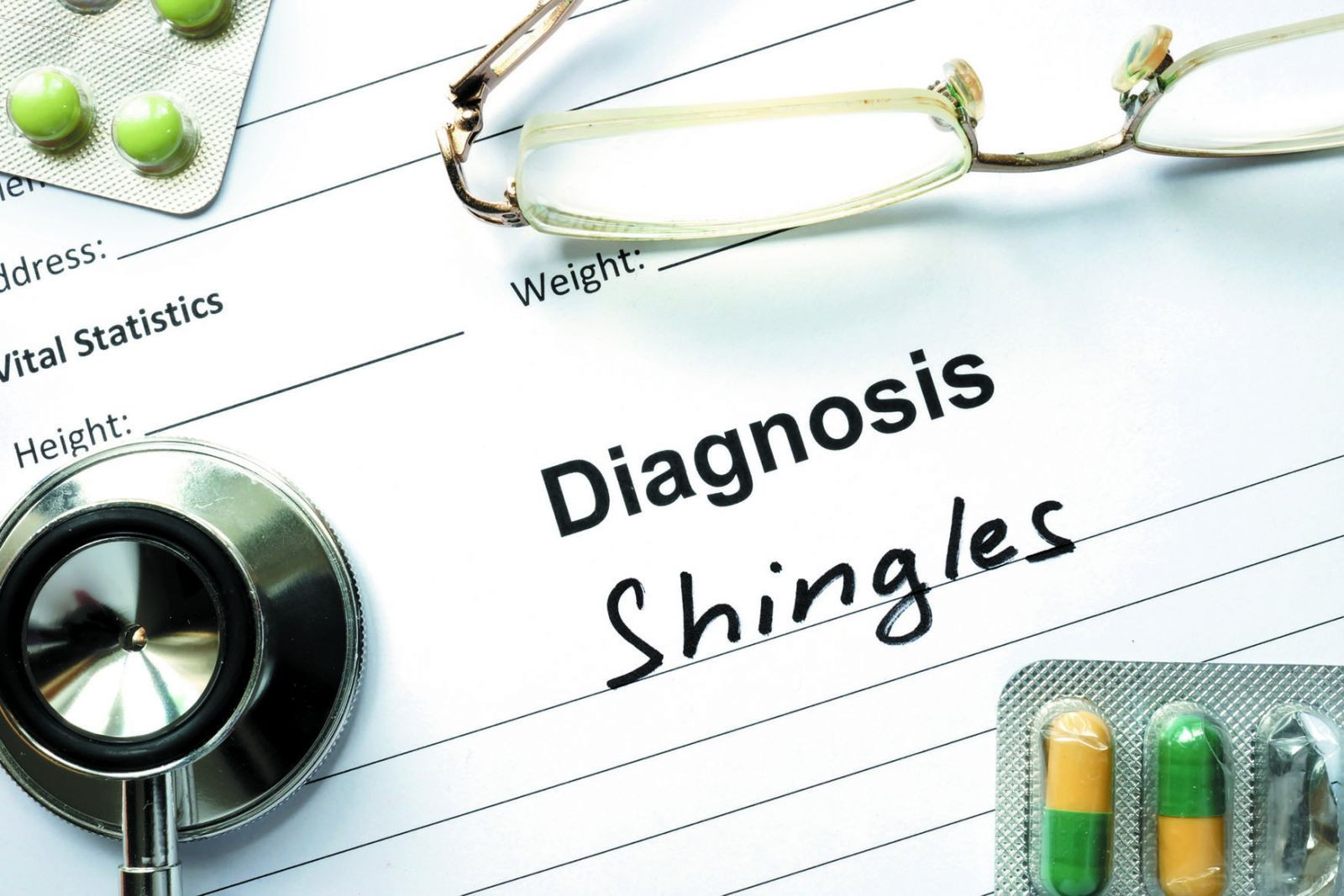
Shingles may raise heart attack risk
Research we're watching
Image: © designer491/Thinkstock
People who develop the painful, blistering rash known as shingles may be more susceptible to a heart attack, according to a study in the July 11, 2017, Journal of the American College of Cardiology. Also known as herpes zoster, shingles results from a reactivation of the virus that causes chickenpox, which most adults had during childhood.
Researchers relied on a Korean health database to identify people newly diagnosed with shingles, stroke, or heart attack over 10 years. Among the nearly 520,000 people they followed for that period, just over 23,000 were diagnosed with shingles, whom they compared with a similar number of people without shingles. People who'd had shingles had a 59% higher risk of later having a heart attack and a 35% higher risk of having a stroke compared with people who did not have shingles. The risk was highest during the first year after the onset of shingles and then diminished over time.

Don’t fear pacemakers
Today's versions can correct many types of heart conditions that can keep you active and help you live longer.
Image: © cacaroot/Thinkstock
Think of a pacemaker, and perhaps the image of a frail person stuck on the couch comes to mind. If so, you need to update your mindset. For many men, these tiny electronic devices can change their lives for the better.
"The likelihood of needing a pacemaker increases with age," says Dr. Peter Zimetbaum, a cardiologist with Harvard-affiliated Beth Israel Deaconess Medical Center. "The good news is that today's pacemakers have evolved from fixing irregular heartbeats to helping the heart mimic normal function, all of which can help many men with certain heart conditions stay more active longer."

A good night’s sleep: Advice to take to heart
Irregular or insufficient sleep increases your risk of cardiovascular disease.
Image: © Photodjo/Thinkstock
If you're one of the many people who toss and turn nightly, you already know that a bout of sleeplessness can hamper your productivity and sap your quality of life. But the ramifications of poor sleep extend far beyond a cranky mood. Research shows that an on-going sleep deficit can ultimately endanger your heart health.
Hazards of poor sleep
Tens of millions of Americans experience a chronic lack of sleep. While some people shortcut the customary eight hours of snooze time in favor of work or social pursuits, many others suffer from insomnia or another disorder that curtails a healthy slumber.
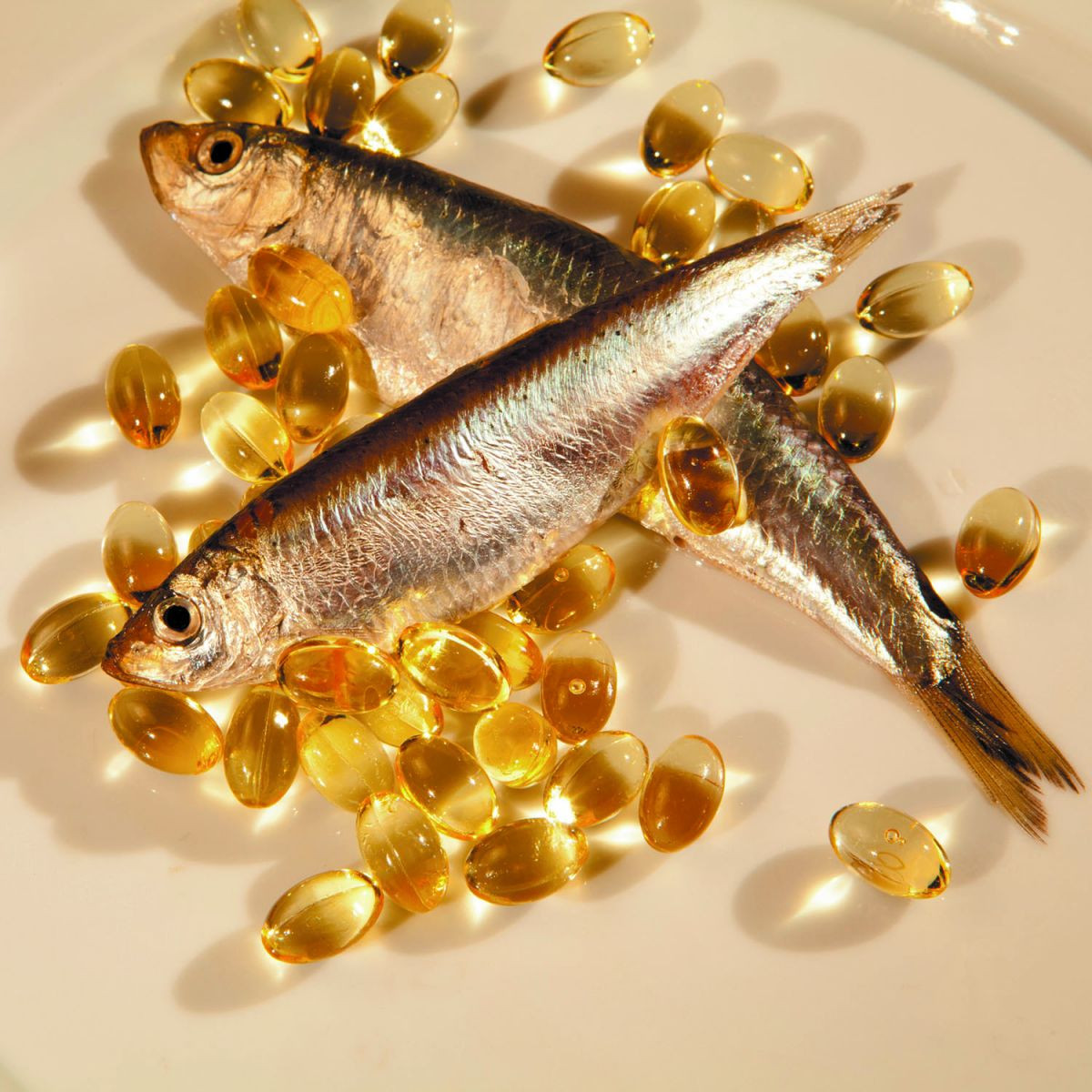
Taming high triglycerides without fish oil?
Ask the doctor
Image: © JanIngeskogheim/Thinkstock
Q. My doctor prescribed Lovaza to help lower my high triglyceride level, which is 530 milligrams per deciliter (mg/dL). But I'm a vegetarian and don't want to take a drug made from fish oil. Are there other options?
A. You're not alone: several of my vegetarian patients also have asked me this question. But let's begin with some background. Triglycerides — which are the main form of fat found in our bodies — are part of a standard lipid panel blood test. Values higher than 150 mg/dL are associated with a higher risk of heart disease.

Food trends and your heart
The type and amount of fat, carbohydrate, sugar, and salt in our food supply has changed over the years — for better and for worse.
Remember when packaged foods emblazoned with the words "fat free" seemed to be everywhere? Then came labels boasting "zero grams of trans fat." "Sugar free" and "low sodium" claims soon joined the chorus. These days, gluten-free foods are all the rage.
For the most part, these food industry trends echoed the nutritional mantras of the time and were designed to improve our health — especially cardiovascular health. Not only is heart disease the nation's leading killer, there's overwhelming evidence that better dietary choices could prevent many heart attacks and strokes. But just how successful have these efforts been?

The genetics of heart disease: An update
Recent discoveries hold the promise of better detection and treatment of coronary artery disease.
Image: © Wavebreakmedia Ltd/Thinkstock
Coronary artery disease — the buildup of cholesterol-laden plaque in the heart's arteries — is by far the most prevalent life-threatening heart condition. Despite many important discoveries, the genetic influence on this complex condition remains far from clear. But research continues to provide clues that may soon improve both the prediction and the treatment of this common disease beyond current testing of risk factors.
Inherited heart disease: Rare vs. common
Many different types of heart disease can be passed down through families. Some are caused by just one or a few genetic changes that have a very strong effect in causing disease. Known as monogenic conditions, they include uncommon disorders that mostly affect the heart's muscle (such as hypertrophic cardiomyopathy) or electrical system (such as long QT syndrome). Another example is familial hypercholesterolemia, which causes very high cholesterol levels and may lead to premature coronary artery disease (occurring before age 50).
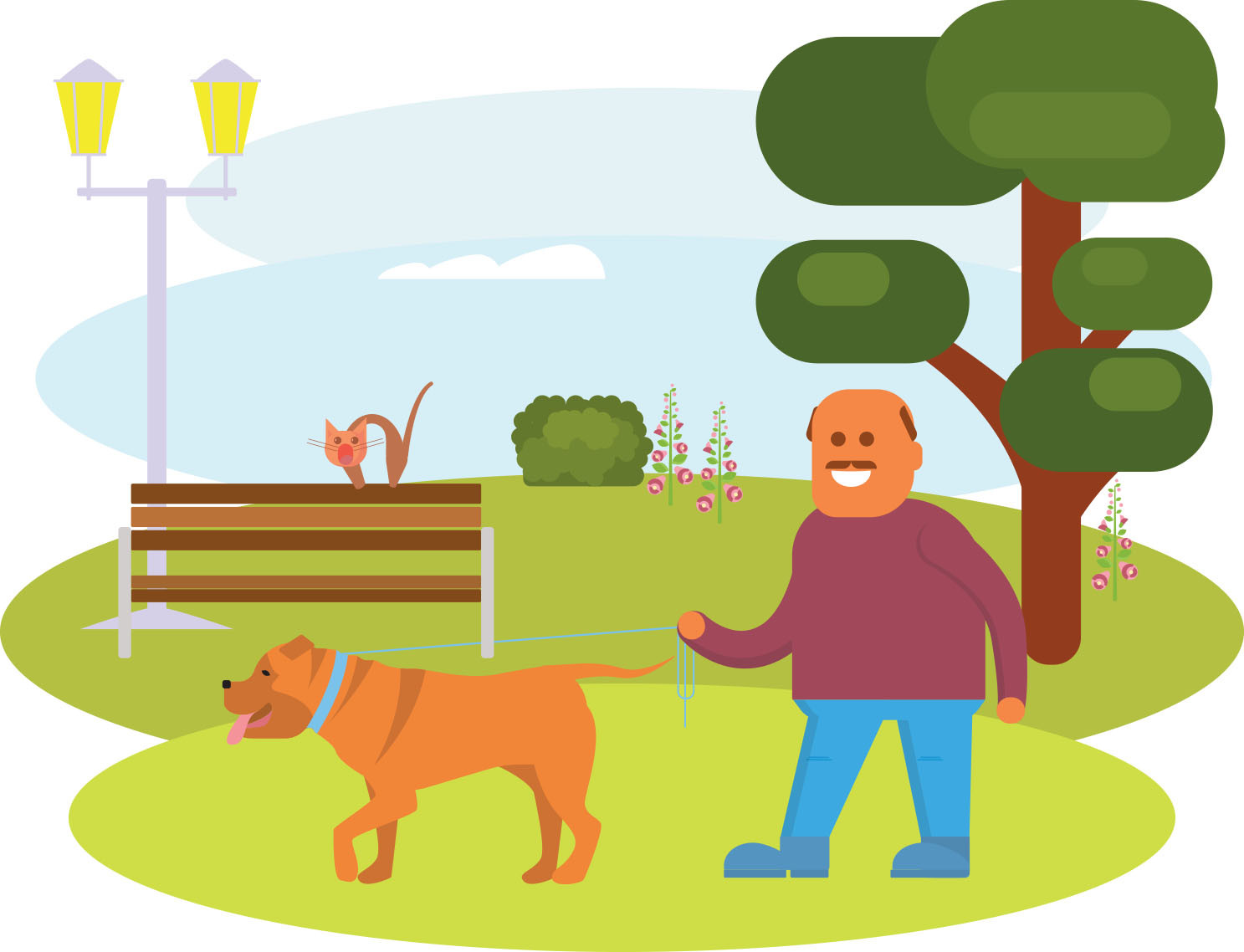
Walking the dog: Yes, it counts as exercise
A canine companion may help older people stay active — and provide other heartfelt benefits.
Image: © Tatiana_Stulbo/Thinkstock
If you're among the many millions of dog owners in the United States, you're probably more active than most people without a canine companion at home. But that's just one of the potentially heart-protecting benefits dog owners enjoy, says Dr. Elizabeth Frates, director of wellness programming at Harvard-affiliated Spaulding Rehabilitation Hospital.
"A dog provides love, companionship, and a sense of purpose that propels you to get outside walking every day," says Dr. Frates. Daily exercise is probably the most tangible benefit of dog ownership, she notes. And a new study suggests that the added activity counts toward recommended physical activity goals.
Healing after food poisoning
What is tempeh? Benefits, nutrition, and how to use it
Light exposure at night may raise risk for heart disease
Whole grains may improve several heart risk factors at once
A lumbar belt may help ease low back pain
Children of centenarians may stay healthier and live longer too, study finds
Signs of pneumonia: Sometimes vague and unexpected
The surprising link between ovarian cancer and the fallopian tubes
Using a vibration plate: What it can — and can't — do for your body
People who walk more or walk faster live longer, study finds
Free Healthbeat Signup
Get the latest in health news delivered to your inbox!
Sign Up
