

Even a little exercise linked with lower stroke risk in people with afib

Testosterone therapy without evidence of deficiency may boost heart risk

Weight-loss drug may lower risk of heart attacks and infections

What to eat on the DASH diet

Migraine: How it's diagnosed and what that means

Tricep workouts you can do at home

Mindfulness practices to reduce stress and improve focus

Antihistamines may not offer meaningful relief from eczema symptoms

Overweight and taking blood pressure medications: Study finds it's a trend that's working

FDA approves first mRNA-based flu vaccine
Heart Attack Archive
Articles

Making sense of the statin guidelines
Image: rogerashford/ iStock
For years, doctors prescribed cholesterol-lowing statins based largely on cholesterol test results. The goal was to lower total cholesterol to under 200 mg/dL, and LDL (bad) cholesterol to under 100 mg/dL. But in late 2013, new guidelines on statin use issued by the American Heart Association (AHA) and the American College of Cardiology (ACC) proposed a major change to that strategy.
These guidelines shifted from a numbers-based approach to a risk-driven approach. Instead of aiming for a specific cholesterol value, doctors were urged to look at a person's entire cardiovascular risk profile when considering treatment. This is a reasonable approach that can help better define when to initiate drug therapy.

Is chocolate heart-healthy?
Ask the doctor
Q. I keep hearing that chocolate is good for heart health. Is it too good to be true?
A. It is not too good to be true — but it also is complicated. We have previously discussed studies indicating that foods derived from the cocoa bean — in particular, dark chocolate, which has a higher cocoa content than milk chocolate — are heart-healthy. Specifically, people who eat more chocolate have lower rates of heart attacks, heart failure, and even death from heart disease.

Does diet soda raise stroke risk?
Some studies suggest a possible link. But don't switch to regular sugary sodas — try infused water instead.
For diet soda fans, recent news reports linking these popular drinks to a higher risk of stroke may have been alarming. A closer look at the study behind the headlines suggests there's no need to panic. But beverages naturally low in calories are probably a healthier option than artificially sweetened drinks.
For starters, observational studies like this one (see "Diet soda and the brain: The latest findings") cannot prove cause and effect. Also, only 97 people had strokes during the 10-year follow-up, which means only two or three of those strokes could possibly be attributed to drinking diet soda, says Dr. Kathryn Rexrode, an associate professor of medicine at Harvard-affiliated Brigham and Women's Hospital who co-authored an earlier, larger study looking at soda consumption and stroke risk.
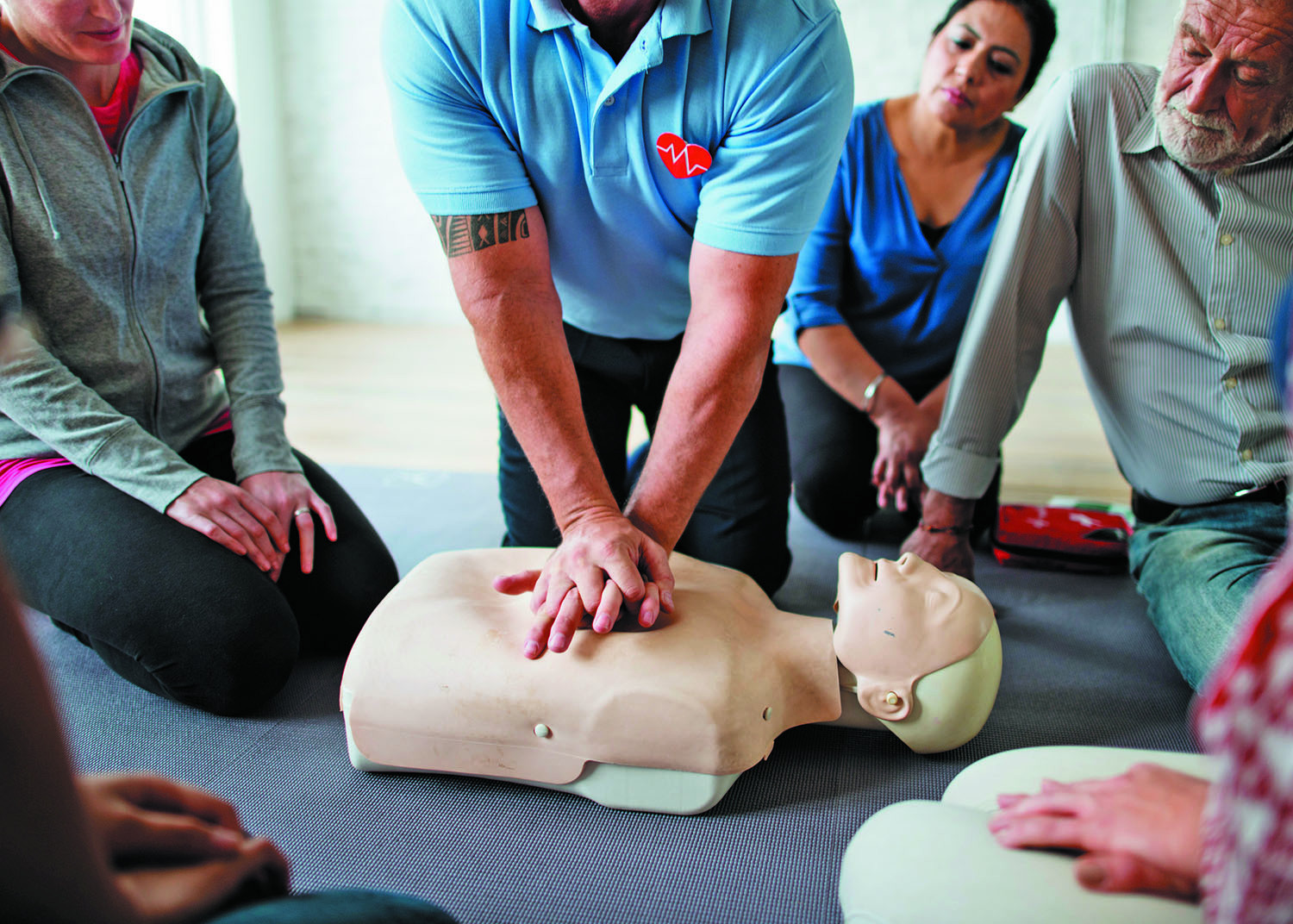
The push you need to learn CPR
After calling 911, do you know what to do if a person is unresponsive and not breathing?
Image: © Rawpixel Ltd/Thinkstock
Each year, an estimated 600,000 Americans suffer a cardiac arrest, during which the heart suddenly and unexpectedly stops beating. If someone nearby immediately begins cardiopulmonary resuscitation (CPR), the chest compressions can keep blood flowing to the person's brain and other vital organs — and more than double the odds of survival.
"About 70% of cardiac arrests happen at home. If this happened to your spouse or loved one, wouldn't it be awful if you didn't know what to do?" says Dr. Charles Pozner, associate professor of emergency medicine at Harvard-affiliated Brigham and Women's Hospital. But only 18% of adults in the United States have been trained in CPR within the past two years, according to a recent nationwide survey of 9,022 people, published in the May 24, 2017, Journal of the American Heart Association.

Prescribing “the best medicine”
Are you exercising enough to prevent heart disease?
It can help you lose weight; decrease your blood pressure, cholesterol, and blood sugar; and reduce your stress. But wait, there's more: it also lowers your odds of a heart attack or other cardiovascular event and may even extend your life.
This wonder drug isn't a drug at all, of course — it's exercise. Yet only about half of all American adults do enough physical activity to benefit their health. And exercise is especially vital for people who are at risk for heart disease or already have it.
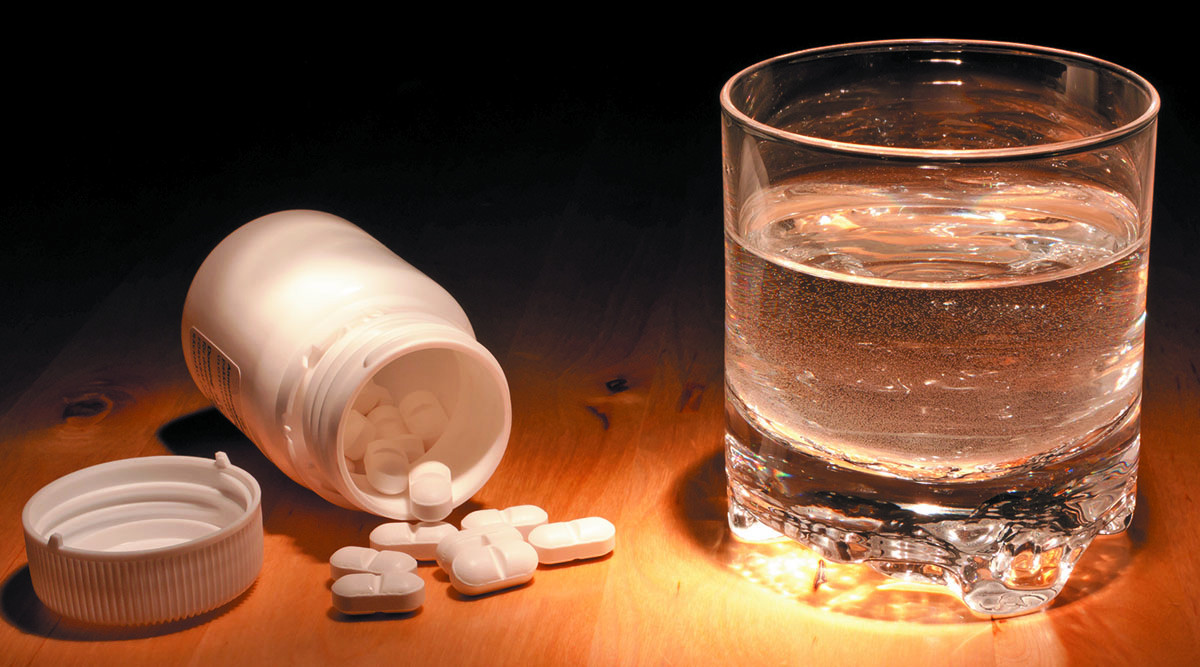
Pain relievers and heart attack risk
Research we're watching
Image: © FinStock/Thinkstock
Heart attack risk may rise within a week of taking daily high doses of certain over-the-counter pain relievers, according to a new study.
Previous research has linked the use of pain relievers known as nonsteroidal anti-inflammatory drugs (NSAIDs) to a heightened risk of heart attack. The new report, published in the May 9, 2017, issue of The BMJ, analyzed data from nearly half a million people, of whom about 61,000 had heart attacks.
Alcohol’s heart advantages under scrutiny
Research we're watching
Image: © i_frontier/Thinkstock
Conventional wisdom holds that a drink or two a day protects against heart disease. But this assumption may be wishful thinking, a new analysis suggests.
For the paper, researchers scrutinized findings from 45 studies that involved a total of nearly three million people. Current moderate drinkers (up to two drinks a day) were less likely than nondrinkers to die of heart disease. But studies that looked at drinking over the lifespan suggest a different conclusion. These studies, as well as those that accounted for people's baseline heart health, found no benefit from moderate drinking.


This is your brain on alcohol
It's no secret that alcohol affects our brains. Although excessive drinking is linked to an increased risk of dementia, decades of observational studies have indicated that moderate drinking has few ill effects. However, a recent British study seems to have bad news for moderate drinkers.
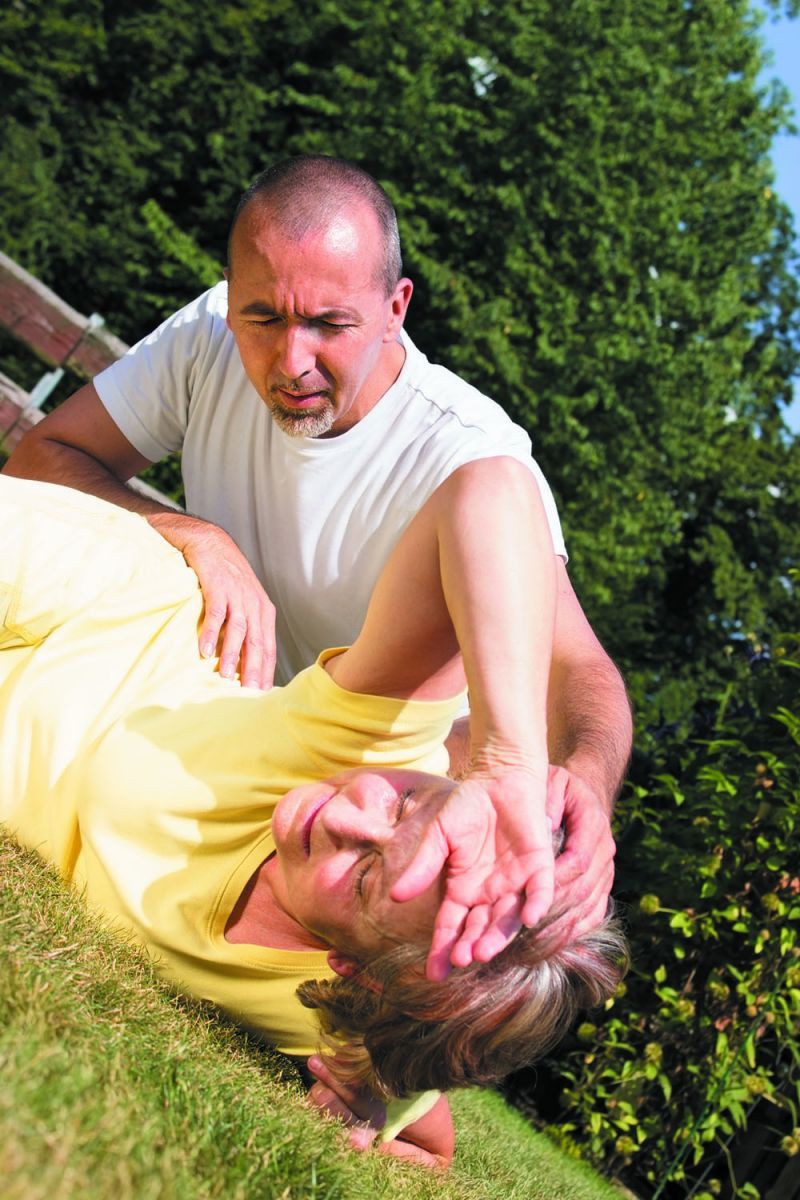
Fainting: Frightening, but seldom serious
Learn why fainting occurs and when you should seek medical attention.
One minute you're feeling a bit woozy; the next thing you know, you're flat on your back wondering what happened. No matter what you call it — swooning, passing out, or fainting — the experience is surprisingly common. About a third of people say they've fainted at least once.
Defined as a sudden, temporary loss of consciousness, fainting occurs when something interrupts blood flow to the brain. Doctors call it syncope, which comes from a Greek word meaning "contraction" or "cut off." Although often harmless, fainting can cause injuries and sometimes signals a problem with the heart or circulatory system.
Even a little exercise linked with lower stroke risk in people with afib
Testosterone therapy without evidence of deficiency may boost heart risk
Weight-loss drug may lower risk of heart attacks and infections
What to eat on the DASH diet
Migraine: How it's diagnosed and what that means
Tricep workouts you can do at home
Mindfulness practices to reduce stress and improve focus
Antihistamines may not offer meaningful relief from eczema symptoms
Overweight and taking blood pressure medications: Study finds it's a trend that's working
FDA approves first mRNA-based flu vaccine
Free Healthbeat Signup
Get the latest in health news delivered to your inbox!
Sign Up
