

Even a little exercise linked with lower stroke risk in people with afib

Testosterone therapy without evidence of deficiency may boost heart risk

Weight-loss drug may lower risk of heart attacks and infections

What to eat on the DASH diet

Migraine: How it's diagnosed and what that means

Tricep workouts you can do at home

Mindfulness practices to reduce stress and improve focus

Antihistamines may not offer meaningful relief from eczema symptoms

Overweight and taking blood pressure medications: Study finds it's a trend that's working

FDA approves first mRNA-based flu vaccine
Heart Attack Archive
Articles

Beyond the morning buzz: How does coffee affect your heart?
Drinking a few cups a day seems to be safe for most people. But evidence that coffee protects your heart is pretty weak.
Image: © Kritchanut/Getty Images
Java junkies may have perked up after hearing that drinking coffee may lower heart disease risk. But are there grounds to support this claim?
In recent years, researchers have observed that people who drink about three cups of coffee daily may be slightly less likely to develop heart disease or to die from it than people who avoid the aromatic brew. A review article in the Nov. 22, 2017, issue of The BMJ that included nearly 300 studies on the health effects of coffee came to a similar conclusion. However, as the authors point out, their findings can't prove cause and effect. In the absence of long-term, randomized trials that assign people to drink coffee or not, it's impossible to say whether the popular drink (or some other factor) led to the lower heart risk.

Stepping up treatments for PAD
Proven therapies for this painful leg problem should soon be more accessible.
Image: © stevecoleimages/Getty Images
When fatty deposits clog the arteries that supply blood to the legs, even a short walk can cause leg cramping and pain. This condition, called claudication, comes from the Latin word claudicatio, meaning "to limp." It's the hallmark of peripheral artery disease, or PAD, which affects roughly one in seven people over the age of 60.
People with PAD are also likely to have clogged arteries (atherosclerosis) in the heart. In fact, they may be even more prone to heart attacks and strokes than people with heart disease who have already had one of those problems.

Tracing the heart’s electrical signature
When, why, and how you might get an electrocardiogram.
Although the first recorded electrocardiogram dates back more than a century, this noninvasive test remains one of medicine's essential tools. It's quick and painless, produces results right away, and helps diagnose dozens of heart conditions. Any heart-related symptoms, such as chest pain or palpitations, warrant an electrocardiogram, also known as an ECG or EKG (from the German elektrokardiogramm).
Some primary care providers include an ECG as part of an annual physical exam. Last year, the U.S. Preventive Services Task Force (USPSTF) recommended against routine ECGs in people at low risk of heart disease. But what about people at higher risk, such as those with high blood pressure, elevated cholesterol levels, or even just advancing age? For them, the jury's still out, according to the USPSTF. One possible reason: the task force set a high bar — looking for conclusive proof that a routine ECG led directly to an improvement in outcomes, such as complications related to coronary artery blockages.

Vegetable of the month: Artichokes
Image: © Thinkstock
As some artichoke aficionados know, anything you eat or drink right after eating this unique vegetable tastes sweeter than usual. Artichokes contain chlorogenic acid and cynarin, which partially inhibit the sweet receptors on your tongue. Whatever you eat or drink right afterwards washes off the compounds, fooling your brain into perceiving sweetness that isn't actually there. Try serving an artichoke alongside another vegetable you find less palatable, and alternate bites!
Cynarin also seems to increase the liver's production of bile, which helps remove cholesterol from the body.

Walking for fitness? Avoid traffic-clogged streets
Research we're watching
Image: © Cecilie_Arcurs/Getty Images
If you walk on busy city streets, breathing the traffic fumes may cancel out the health benefits of the exercise, a new study suggests.
The London-based study, published online Dec. 5, 2017, by The Lancet, included 119 volunteers over the age of 60 who were either healthy or had stable chronic obstructive pulmonary disease or stable heart disease. They all walked for two hours midday at two different locations. One was in a quiet section of Hyde Park, where air pollution is usually within healthy limits. The other was on a busy shopping area on Oxford Street, where levels of pollutants such as black carbon, nitrogen dioxide, and fine particulate matter regularly reach dangerous levels. The walks were separated by three to eight weeks.

Mental stress, gender, and the heart
Research we're watching
Mental stress can cause arteries throughout the body to constrict. In people with heart disease, this effect can reduce blood supply to the heart muscle, a phenomenon known as mental stress–induced ischemia. New research suggests that this problem may affect women differently from men.
For the study, 678 adults (average age 63) delivered a speech while researchers measured their blood pressure and heart rate, took imaging pictures of their hearts, and measured the constriction of tiny arteries in their fingers. In women, mental stress–induced ischemia mostly resulted from constriction of tiny arteries. The resulting greater resistance requires the heart to use more force in pumping blood. In contrast, the ischemia seen in men was mostly due to a rise in blood pressure and heart rate. The findings are yet another reminder for people to find ways to avoid and manage mental stress. But they also hint that women's hearts may be more vulnerable to this problem. The study was published online Dec. 21, 2017, by the journal Arteriosclerosis, Thrombosis, and Vascular Biology.
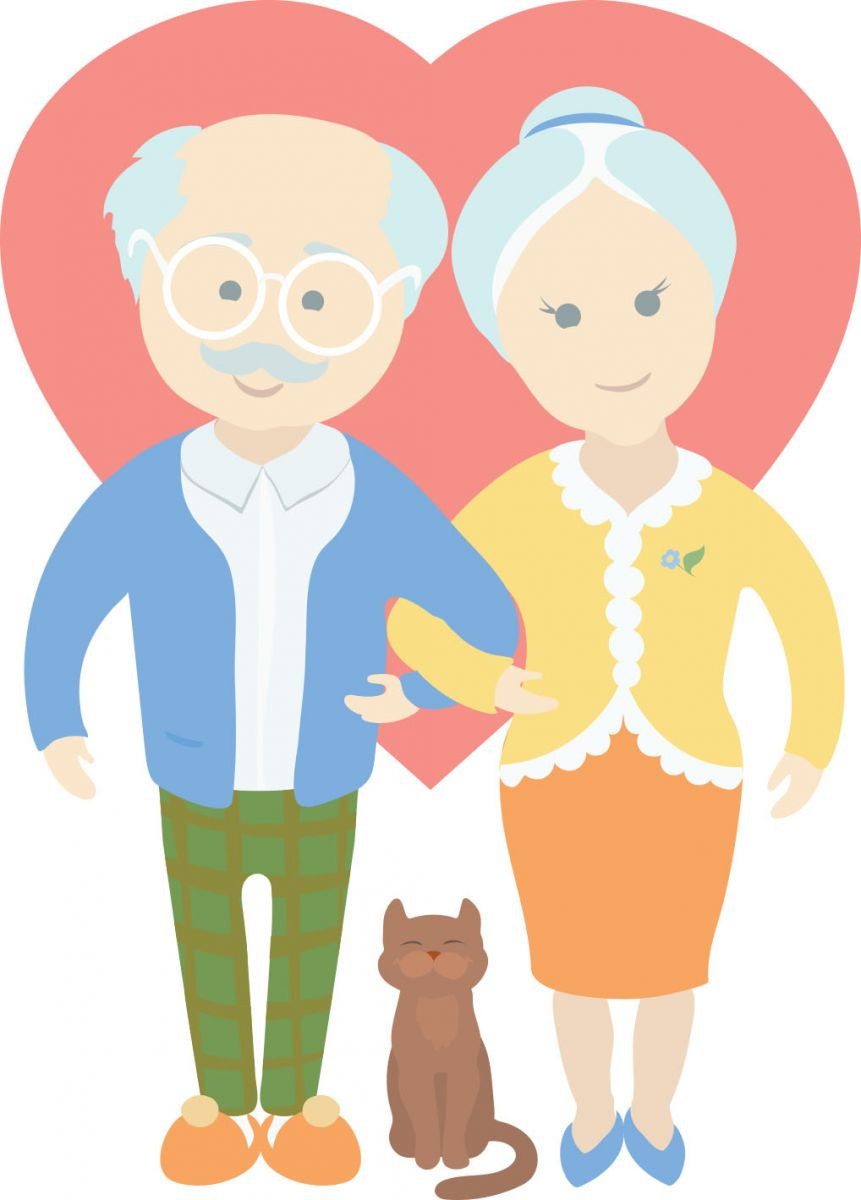
The magnitude of marriage: Better for your heart?
Research we're watching
People with heart disease who are married seem to fare better than those who are unmarried, a new study suggests.
For the study, researchers tracked more than 6,000 people with heart disease for an average of 3.7 years. They found that compared with married people, those who were divorced, separated, widowed, or never married were 52% more likely to experience a heart attack. Unmarried people also had a 45% higher risk of dying of heart disease, even after researchers accounted for confounding factors such as severity of disease, medication use, and socioeconomic status. The study was published in the Dec. 20, 2017, Journal of the American Heart Association.


Grape expectations: Is red wine good for your heart?
Red wine contains compounds thought to lower heart disease risk. But the evidence that wine protects the heart is muddled.
Have you ever topped off your glass of cabernet or pinot noir while saying, "Hey, it's good for my heart, right?" This widely held impression dates back to a catchphrase coined in the late 1980s: the French Paradox.
The French Paradox refers to the notion that drinking wine may explain the relatively low rates of heart disease among the French, despite their fondness for cheese and other rich, fatty foods. This theory helped spur the discovery of a host of beneficial plant compounds known as polyphenols. Found in red and purple grape skins (as well as many other fruits, vegetables, and nuts), polyphenols purportedly explain wine's heart-protecting properties. Another argument stems from the fact that the Mediterranean diet, an eating pattern shown to ward off heart attacks and strokes, features red wine.
The new blood pressure guidelines: Messages you may have missed
The new guidelines set a lower target and emphasize lifestyle changes. Here's why eating less salt is important.
High blood pressure — a major cause of heart attack and stroke — recently became far more prevalent in the United States, but not because people have become suddenly less healthy. Last fall, new guidelines lowered the threshold for diagnosing the condition, which used to be defined as a blood pressure reading of 140/90 millimeters of mercury (mm Hg) or higher. Now, anyone with a reading of 130/80 mm Hg or higher is considered to have high blood pressure (also known as hypertension). Nearly half of adults now fall into this group.
Many cardiologists welcomed the updated guidelines, published in the Nov. 7, 2017, Journal of the American College of Cardiology. "The new guidelines are based upon a growing body of evidence that lower blood pressure values are associated with fewer major adverse cardiovascular events, including heart attacks, strokes, and heart failure," says Dr. Randall Zusman, a hypertension expert at Harvard-affiliated Massachusetts General Hospital. Over all, people with Stage 1 hypertension (see "Blood pressure categories") have double the risk of those events compared with people who have normal blood pressure.
Even a little exercise linked with lower stroke risk in people with afib
Testosterone therapy without evidence of deficiency may boost heart risk
Weight-loss drug may lower risk of heart attacks and infections
What to eat on the DASH diet
Migraine: How it's diagnosed and what that means
Tricep workouts you can do at home
Mindfulness practices to reduce stress and improve focus
Antihistamines may not offer meaningful relief from eczema symptoms
Overweight and taking blood pressure medications: Study finds it's a trend that's working
FDA approves first mRNA-based flu vaccine
Free Healthbeat Signup
Get the latest in health news delivered to your inbox!
Sign Up
