

Even a little exercise linked with lower stroke risk in people with afib

Testosterone therapy without evidence of deficiency may boost heart risk

Weight-loss drug may lower risk of heart attacks and infections

What to eat on the DASH diet

Migraine: How it's diagnosed and what that means

Tricep workouts you can do at home

Mindfulness practices to reduce stress and improve focus

Antihistamines may not offer meaningful relief from eczema symptoms

Overweight and taking blood pressure medications: Study finds it's a trend that's working

FDA approves first mRNA-based flu vaccine
Heart Attack Archive
Articles
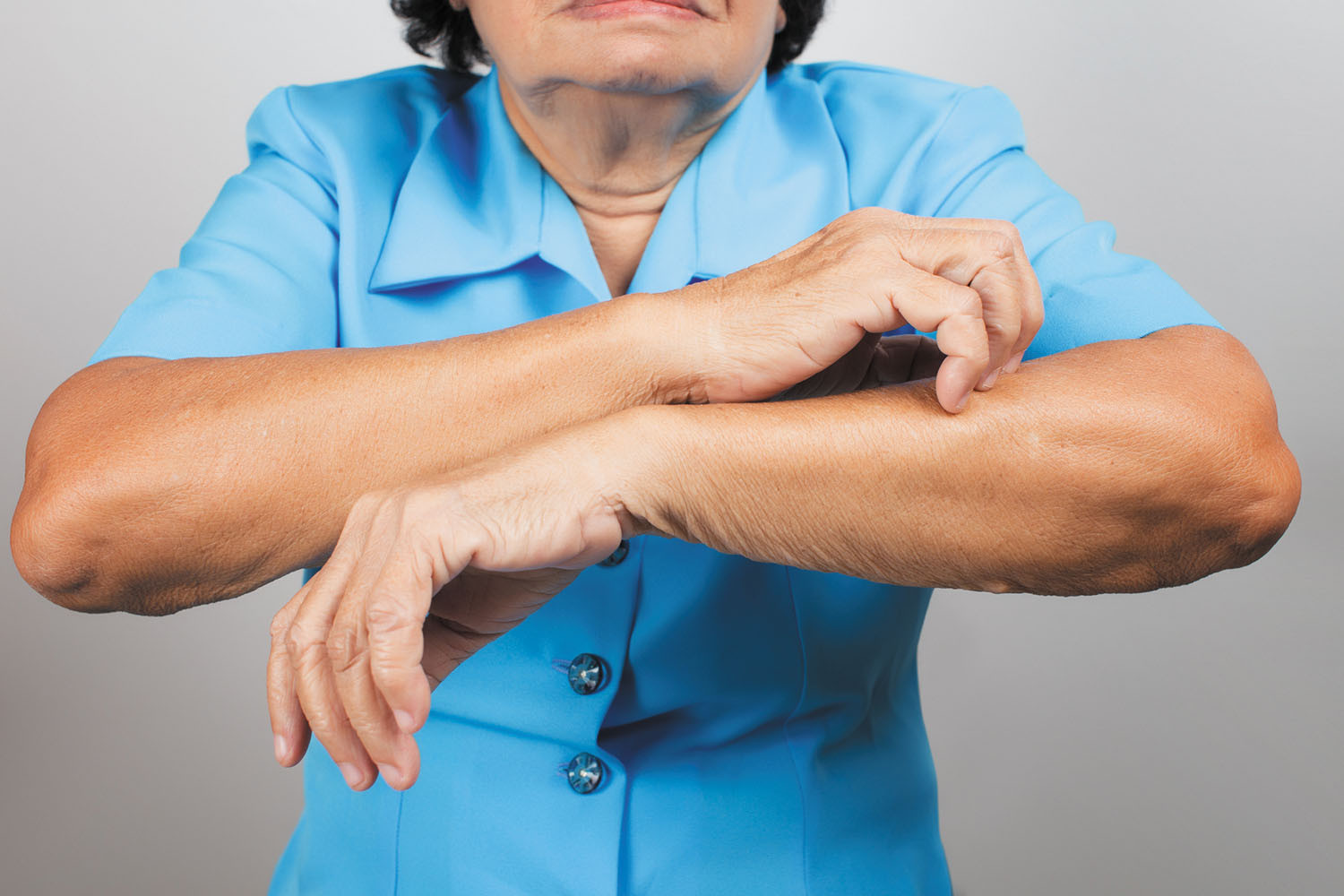
Eczema may signal higher risk of cardiovascular problems
Research we're watching
Image: © Tharakorn/Getty Images
About one in 10 people has eczema, a chronic inflammatory condition that leaves skin dry and itchy. People with more severe forms may experience a scaly rash or skin that cracks and oozes. These people may also be at greater risk for heart attack and stroke, according to a study in the May 23 issue of The BMJ.
For the study, researchers analyzed data from more than 385,000 adults with eczema, which was classified as mild, moderate, or severe. Each was matched with up to five people of similar age and sex who didn't have eczema.
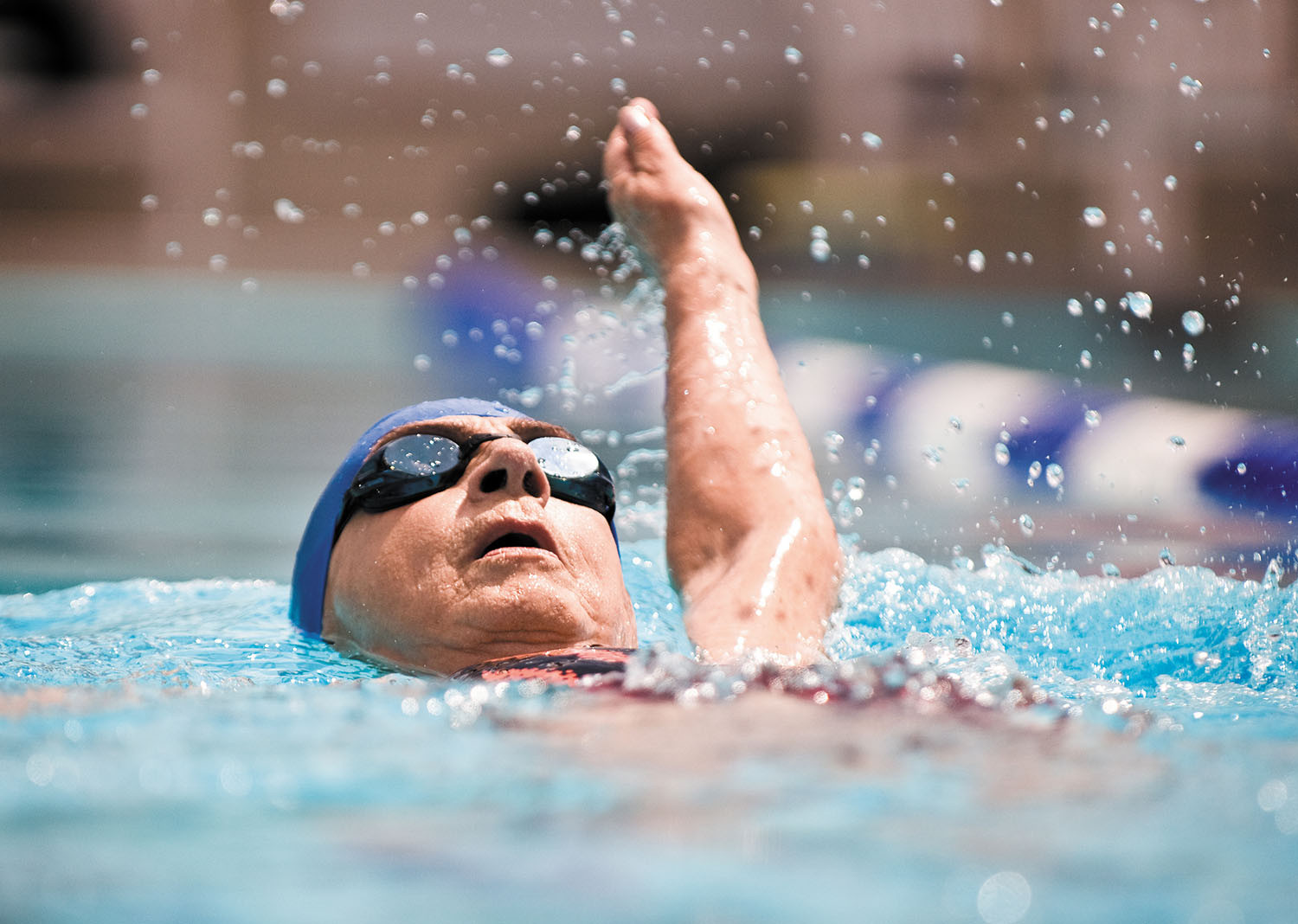
Midlife fitness may stave off depression and heart disease
Research we're watching
Image: © Juanmonino/Getty Images
Depression and heart disease often overlap. As many as one in five people with heart disease has depression. This common mood disorder is also linked to a higher risk of dying of heart disease.
Now, new research lends further support for the protective role of exercise for both conditions. The study, published online June 27 by JAMA Psychiatry, included nearly 18,000 people (mostly male) and used records dating back to the early 1970s. Researchers found that people who were fit during middle age were 16% less likely to develop depression after age 65.
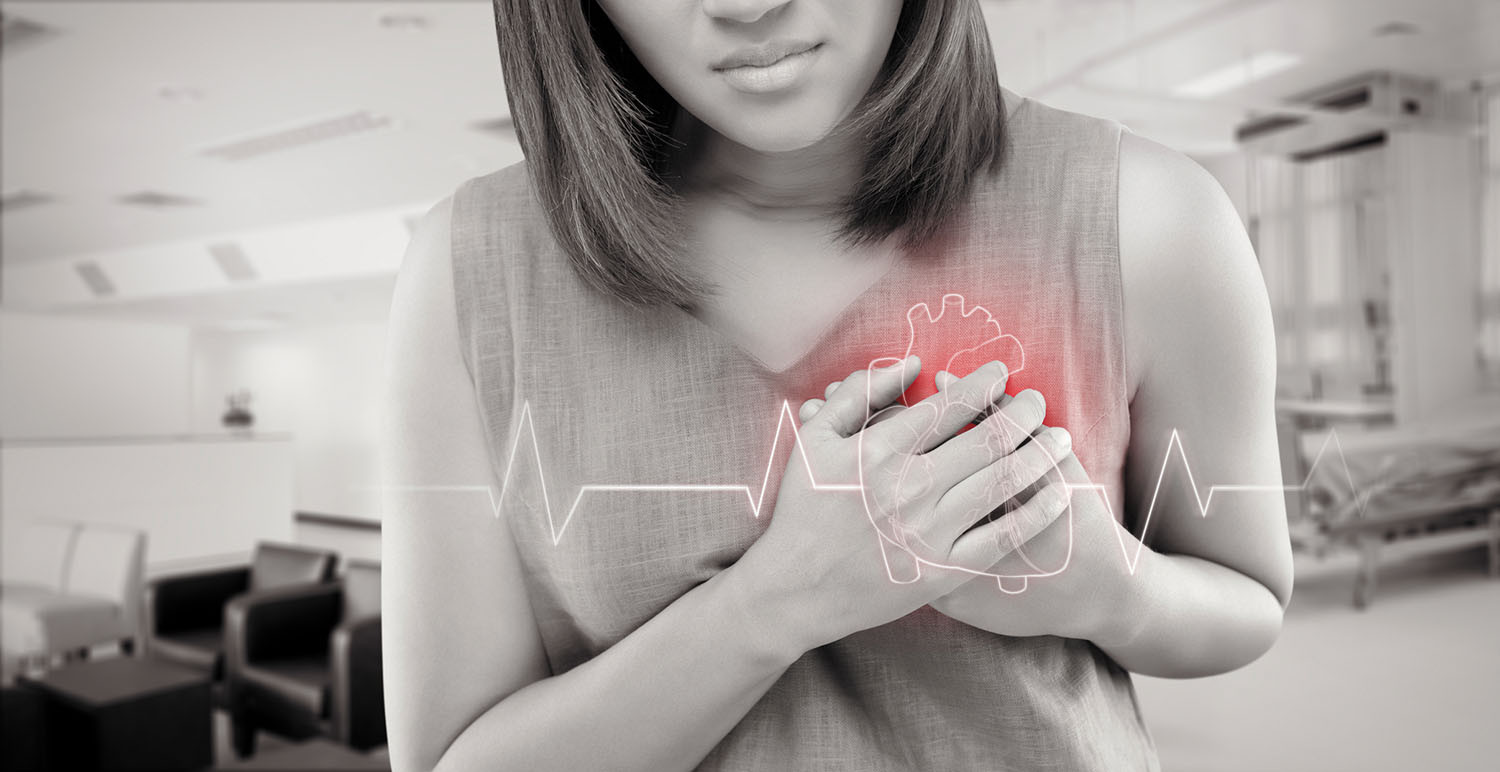
Blockage or no blockage, take heart attacks seriously
Women are at higher risk for heart attacks that don't involve blocked arteries — and they should receive the same follow-up treatment as conventional heart attack patients.
Image: © Tharakorn/Getty Images
For years, people who suffered heart attacks but didn't have major blockages in their arteries — a condition called myocardial infarction with nonobstructive coronary arteries (MINOCA) — were thought to have a less serious form of heart disease. As a result, doctors often opted against aggressive follow-up treatments. But a study published June 15 in the International Journal of Cardiology contributes to the growing body of evidence that MINOCAs merit follow-up treatment.
The study, which looked at data from an online Swedish cardiac registry, found that a quarter of people who were diagnosed with MINOCAs went on to have another major cardiovascular event, such as another heart attack, a stroke, or heart failure. Of the original group of 9,092 people who were diagnosed with MINOCAs (62% of them women), some 2,147 went on to have another cardiovascular event during a follow-up period averaging about 4.5 years.
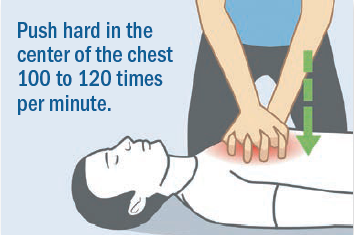
The importance of bystander CPR
This newer way to perform CPR is easier than the traditional method, and it's saving lives.
Image: © solar22/Getty Images
Every year, more than 350,000 Americans experience sudden cardiac arrest, when the heart stops beating without any warning. In the agonizing moments before paramedics arrive, there's no blood circulating in the body to deliver oxygen to the brain and other organs; death is just minutes away.
"When the cardiac arrest occurs outside of a hospital setting, the survival rate ranges from 2% to 15%," says Dr. Kei Ouchi, an emergency physician at Harvard-affiliated Brigham and Women's Hospital.
Simple swaps to eat less salt
Learn the most common sources of sodium in your diet and some easy substitutions you can make.
Image: © yosmanor/Getty Images
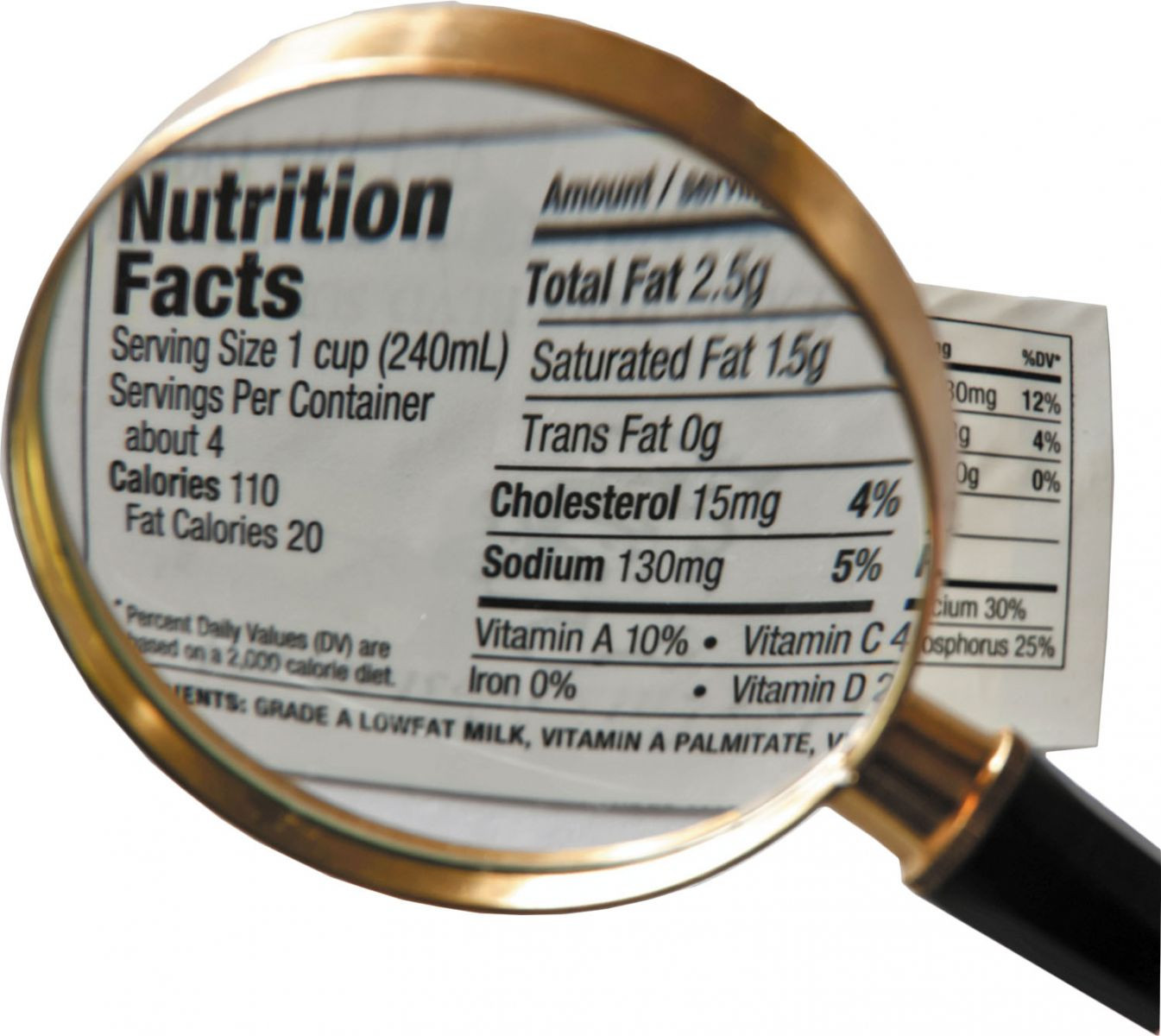
If you think steering clear of potato chips, pretzels, and other savory snacks is the best way to trim salt from your diet, think again. Yes, those foods are salty — but they only rank no. 7 on the top 10 sources of sodium (a major component of salt) in the average American's diet.
The category of bread and rolls tops the list, which is based both on sodium content and how often people eat the foods. Bread is not especially salty, but we eat a lot of it, as well as similar foods such as hamburger and hot dog buns, bagels, and English muffins.

Narrowed aortic valve with no symptoms
Ask the doctor
Image: © andresr/Getty Images
Q. I was recently diagnosed with aortic stenosis after my doctor heard a slight heart murmur and referred me for an echocardiogram. I don't have any symptoms, so the cardiologist recommended that I get periodic echocardiograms to monitor the condition. Is there anything else I can — or should — do?
A. Aortic stenosis — also called aortic valve stenosis — occurs when the one-way valve inside the heart's largest vessel, the aorta, stiffens and becomes clogged with calcium deposits. As a result, the valve doesn't open as easily. During a heartbeat, as the heart's main pumping chamber (the left ventricle) contracts, pressure builds up behind the aortic valve. This creates the turbulent blood flow that a doctor can hear through a stethoscope.

Getting the most out of your heart medications
These drugs help prevent potentially life-threatening events. Make sure you're taking them correctly.
Image: © SelectStock/Getty Images
Recently, a Heart Letter subscriber emailed us this query: "Does taking your blood pressure medication at night protect the heart more than if you take it in the morning? If so, why?"
Maybe you've wondered the same thing, or have other questions about the drugs you take to prevent or treat heart disease. In addition to blood pressure pills, these include drugs to lower cholesterol and to prevent blood clots.

Radiation from heart imaging: What you need to know
Certain tests involve small amounts of radiation. Here's some perspective on the benefits and risks.
Cardiologists have many options for visualizing the heart, some of which involve exposure to radiation. Used appropriately, these tests can identify possibly life-threatening conditions, such as dangerous heart artery blockages. In recent years, the accuracy of many of these noninvasive tests has increased. They're also being used with increasing frequency.
Because ionizing radiation can damage cells, potentially raising the risk of cancer, experts acknowledge that imaging tests that involve radiation should be used judiciously. Earlier this year, the American College of Cardiology published a consensus statement on the best practices for safe and effective use of radiation in cardiac imaging tests.
Does loneliness play a role in cardiovascular problems?
Staying connected to friends, neighbors, and your community may protect your heart.
Image: © StockPlanets/Getty Images
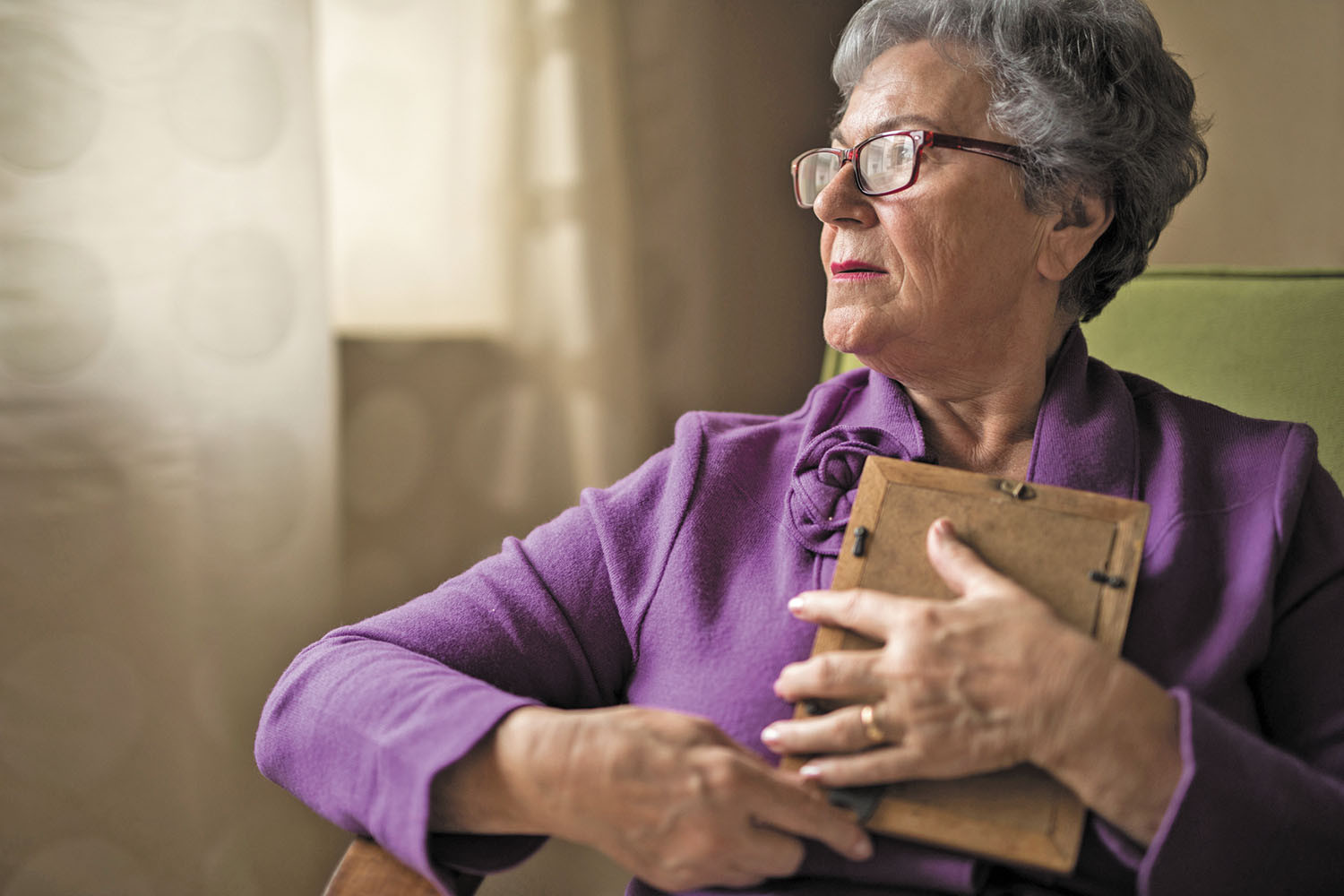
The lonely hearts club may be larger than you realize. About a third of older adults say they frequently feel lonely, according to findings from the National Social Life, Health, and Aging Project. And only about half of Americans have meaningful in-person social interactions on a daily basis, such as having an extended conversation with a friend or spending time with family members, suggests a recent survey by the global health service company Cigna.
People whose main social contacts were at their place of work often feel that loss acutely after they retire. Many older adults are also at risk for isolation and loneliness because they're divorced or have lost a partner. But a lack of caring companionship (including from family, friends, or a romantic partner) may make you more vulnerable to a number of health woes. In fact, several studies suggest that isolated and lonely people face a slightly higher risk of heart attack or stroke than people with stronger social networks.

Even a little exercise linked with lower stroke risk in people with afib
Testosterone therapy without evidence of deficiency may boost heart risk
Weight-loss drug may lower risk of heart attacks and infections
What to eat on the DASH diet
Migraine: How it's diagnosed and what that means
Tricep workouts you can do at home
Mindfulness practices to reduce stress and improve focus
Antihistamines may not offer meaningful relief from eczema symptoms
Overweight and taking blood pressure medications: Study finds it's a trend that's working
FDA approves first mRNA-based flu vaccine
Free Healthbeat Signup
Get the latest in health news delivered to your inbox!
Sign Up
