

Naturally gluten-free foods

Harvard study: Healthier fats linked to longer life after prostate cancer diagnosis

Shingrix shingles vaccine linked with lower heart disease risks

Estrogen-only hormone therapy tied to lower dementia risk
Should you have a hysterectomy?

Stair climbing may significantly lower cardiovascular risks

Why do I sweat so much?

Walking pneumonia: The "mild" illness that can still pack a punch

What causes knee pain: How doctors make a diagnosis

Where you carry excess weight matters in predicting heart disease risk
Healthy eating for diabetes Archive
Articles
Trending now: Sprouted grains
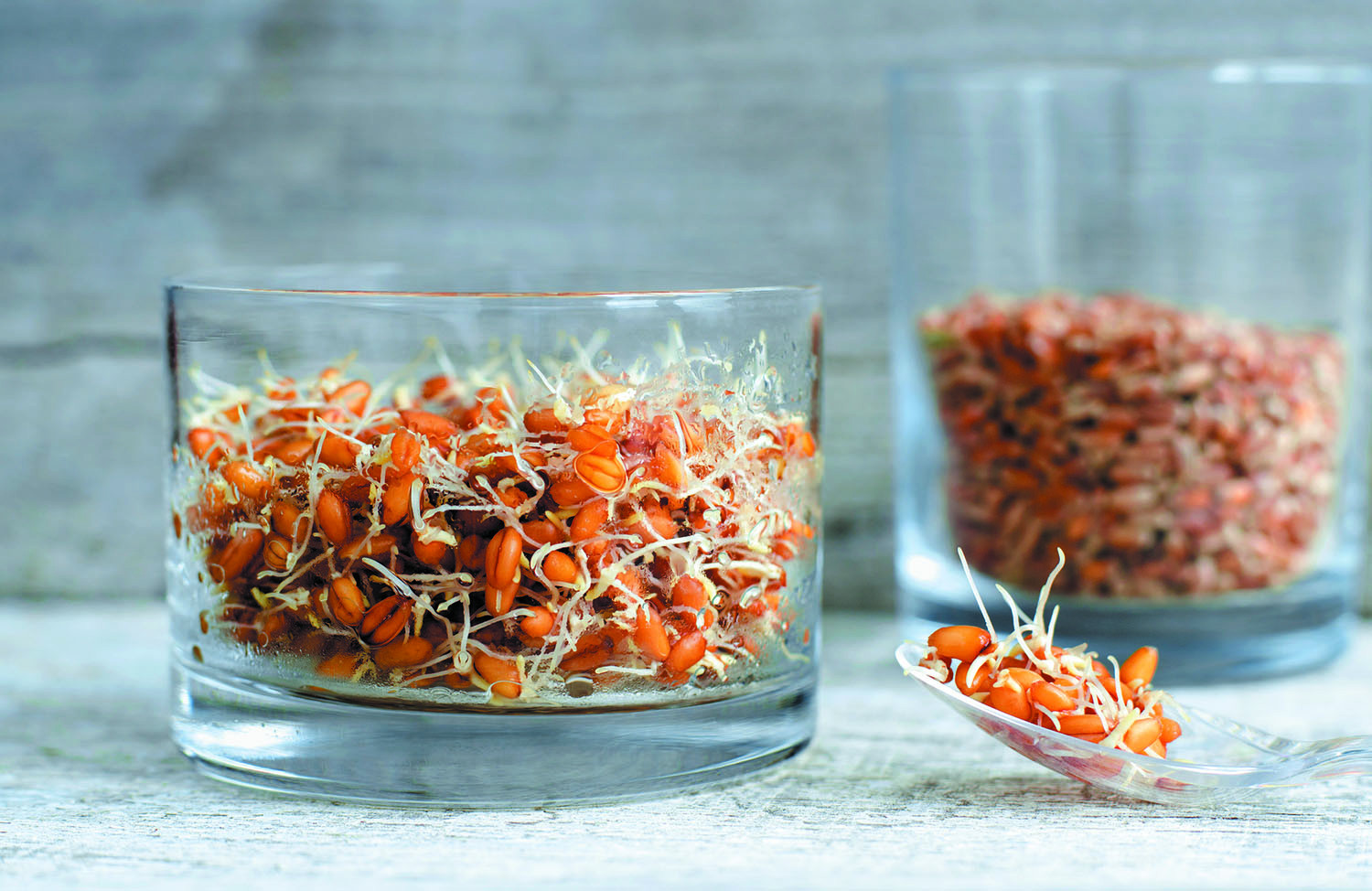
These grains have more nutrients than regular whole grains, and they may be easier to digest.
Image: © kazmulka/Thinkstock
You know that whole grains are loaded with nutrients and fiber and are an important component of a healthy diet. Now an early harvesting method for grains — when they're just sprouts — is becoming popular, with sales of sprouted grains predicted to grow eightfold in the United States by 2018.
"It's one of those trends taking off as people are looking for the next big thing. And in some ways, sprouted grains are a step above regular whole grains," says Kristina Secinaro, a registered dietitian at Harvard-affiliated Beth Israel Deaconess Medical Center.

Sodium in groceries on the decline
News briefs
The amount of sodium we're bringing home from the grocery store has dropped significantly in the past two decades, according to a study published online June 5, 2017, by JAMA Internal Medicine. Excess sodium intake is associated with a higher risk of heart disease. Researchers analyzed the sodium in about 1.5 million products purchased by more than 172,000 households in the United States from 2000 to 2014. Sodium in packaged foods brought into these homes declined from about 2,300 milligrams (mg) per person per day to about 1,900 mg per person per day. The declines were seen in all kinds of products — especially those notoriously high in sodium like condiments, sauces, dips, and salty snacks. The study can't tell us if the amount of sodium people consume is also declining. But it's a good reminder to keep an eye on your intake, since a salty diet can lead to high blood pressure, a major risk factor for heart disease and stroke. The American Heart Association says an ideal limit is 1,500 mg of sodium per day for most adults. That's hard to achieve, but being a savvy shopper for lower-sodium foods can help.
Image: © Lizalica/Thinkstock
Midlife heart health shows a link with future risk of dementia
Factors that harm your heart may be bad for your brain.
Image: © Nik01ay/Thinkstock
During middle age, factors that leave you prone to a heart attack or stroke — high blood pressure, diabetes, and smoking — may raise your risk of developing dementia a quarter-century later, new research suggests. All three things affect your vascular (blood vessel) health.
The recent study, which adds to the growing evidence linking heart health to brain health, has elements that make findings especially reliable, says Dr. Gad Marshall, a Harvard Medical School assistant professor of neurology. "For understanding the vascular risks for dementia, this study is as close to definitive as we can get," he says.

Plant-based diets that protect your heart
Limiting animal-derived foods is only part of the story.
Image: © AnnaPustynnikova/Thinkstock
If you're not totally sure what constitutes a plant-based diet, you're not alone. Many people believe a plant-based diet means a vegetarian diet — a family of eating patterns that omits some or all foods that come from animals (see "Vegetarian variations").
But plant-based diets don't necessarily exclude animal-derived foods. While the main focus is on plants — grains, vegetables, fruits, legumes (dried beans and peanuts), and nuts — these diets may include limited amounts of fish, meat, poultry, and dairy products.

Artificial sweeteners: No help, possible harm?
Research we're watching
Image: © Highwaystarz-Photography/Thinkstock
Close to a third of Americans say they use artificial sweeteners on a daily basis. Popular examples include aspartame (Equal, NutraSweet), sucralose (Splenda), and stevia (Truvia, Pure Via). They're all available in packets and are also added to soda, yogurt, and other foods.
But do these sugar substitutes actually help you lose weight? New research suggests they do not. In fact, these zero-calorie additives may have the opposite effect — and possibly even increase the risk of high blood pressure, diabetes, and heart disease.

Test may someday help predict diabetes risk
All women, regardless of risk, should focus on preventing diabetes.
Can a blood test act as a crystal ball, alerting you to a health hazard that may await you down the road? Researchers say they've found one that may do just that for diabetes. It could help predict whether women — even ones with no other signs of the disease — may develop the condition in the future.
In a study published online June 21 by the Journal of Clinical Lipidology, researchers showed that in many cases, a test called lipoprotein insulin resistance (LPIR) did a better job, at predicting which women would go on to develop diabetes, says Dr. Samia Mora, one of the study authors and associate professor of medicine at Harvard Medical School. In many cases, it was more accurate than traditional measures — such as
Protein at every meal may help preserve muscle strength as you age
Research we're watching
Image: © a_namenko/Thinkstock
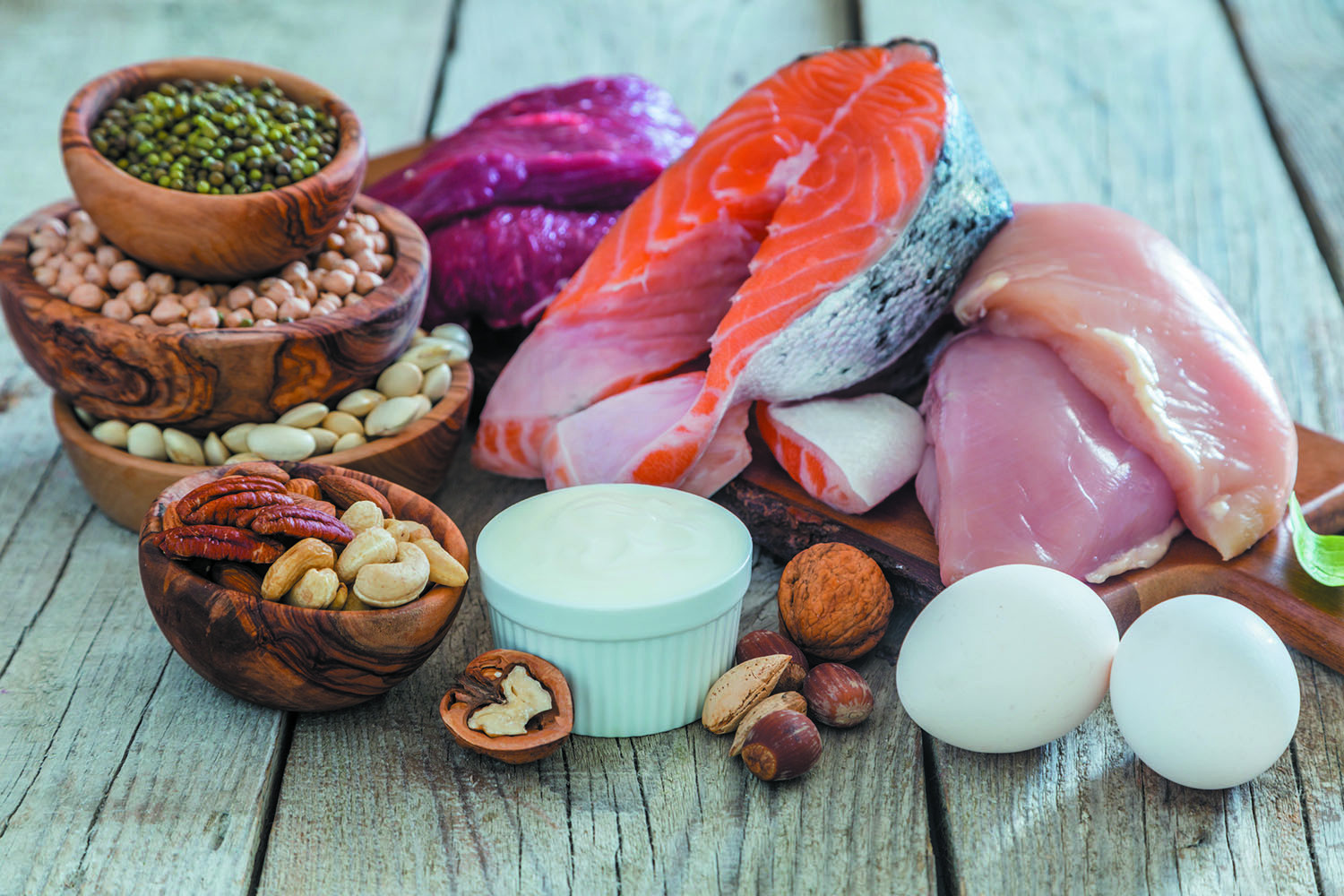
Want to maintain your muscle strength as you age? A study in the July issue of The American Journal of Clinical Nutrition suggests that eating protein at breakfast, lunch, and dinner may help.
While it has been long thought that when you got your protein during the day didn't make a difference as long as your intake was sufficient, emerging research shows that this may not be the case. Researchers in this study looked at a group of 1,741 healthy older men and women in Canada and followed them for three years. They assessed the participants' strength and mobility at the outset of the study, and then tracked their diets and reassessed their strength at the end of the study period. People who ate protein at all three meals throughout the day were stronger at the beginning and the end of the study than those who mostly ate their protein only at dinner — even if they ate roughly the same amount of protein over all.

A doctor’s recipe for a healthy breakfast
Find out a Harvard Medical School doctor’s secret to a quick, budget friendly, and simple healthy breakfast.

Pulse power: Easy ways to make plant-based proteins a regular part of your diet
Beans, lentils, chickpeas, and other "pulses" are loaded with protein, fiber, and other nutrients.
Image: © mikafotostok/Thinkstock
Legumes are great sources of protein for those on a meat-free diet. Lately one branch of the legume family has been in the international spotlight. "Pulses" are legumes that are harvested for their dried seeds, such as chickpeas (garbanzo beans), lentils, and dried peas and beans. They're such an important protein source that the United Nations declared 2016 the International Year of the Pulses.
"When we as nutritionists talk about beans, most of them are pulses — kidney beans, navy beans, black beans, broad beans, lima beans, butter beans — there are quite a few," says registered dietitian Kathy McManus, director of the Department of Nutrition at Harvard-affiliated Brigham and Women's Hospital. By contrast, legumes such as soybeans, peanuts, peapods, and green beans don't count as pulses.

Harvard study: It’s not too late to start a healthy diet
News briefs
Image: © Jonathan Ross/Thinkstock
If you haven't been good about eating a healthy diet, take heart: A Harvard study published July 13, 2017, in The New England Journal of Medicine found that changing to one of three scientifically developed healthy eating programs was associated with longer life. The healthy diets included the Alternate Healthy Eating Index, the Alternate Mediterranean Diet, and the Dietary Approaches to Stop Hypertension (DASH) diet. Scientists looked at self-reported diet and health data from nearly 74,000 healthy men and women who significantly improved their diets and maintained them for 12 years. Scientists then looked at participants' risk of death for another 12 years. The results: people who improved their diet the most were up to 17% less likely to die, whereas those whose diets worsened the most were up to 14% more likely to die. This study strongly indicates that improving your diet, even if you start in middle age, can add years to your life — and vice versa. If you're re-evaluating your diet, check out the Harvard Special Health Report Healthy Eating for a Healthy Heart (www.health.harvard.edu/HEHH).
Naturally gluten-free foods
Harvard study: Healthier fats linked to longer life after prostate cancer diagnosis
Shingrix shingles vaccine linked with lower heart disease risks
Estrogen-only hormone therapy tied to lower dementia risk
Should you have a hysterectomy?
Stair climbing may significantly lower cardiovascular risks
Why do I sweat so much?
Walking pneumonia: The "mild" illness that can still pack a punch
What causes knee pain: How doctors make a diagnosis
Where you carry excess weight matters in predicting heart disease risk
Free Healthbeat Signup
Get the latest in health news delivered to your inbox!
Sign Up
