

Even a little exercise linked with lower stroke risk in people with afib

Testosterone therapy without evidence of deficiency may boost heart risk

Weight-loss drug may lower risk of heart attacks and infections

What to eat on the DASH diet

Migraine: How it's diagnosed and what that means

Tricep workouts you can do at home

Mindfulness practices to reduce stress and improve focus

Antihistamines may not offer meaningful relief from eczema symptoms

Overweight and taking blood pressure medications: Study finds it's a trend that's working

FDA approves first mRNA-based flu vaccine
Health screenings and checkups Archive
Articles

Men might be more likely than women to rely on their doctors when making health care decisions
A 2026 analysis indicated that among adults ages 50 and older, men were more inclined than women to rely on medical professionals when making health care decisions and less likely to put quality of life ahead of simply living longer.
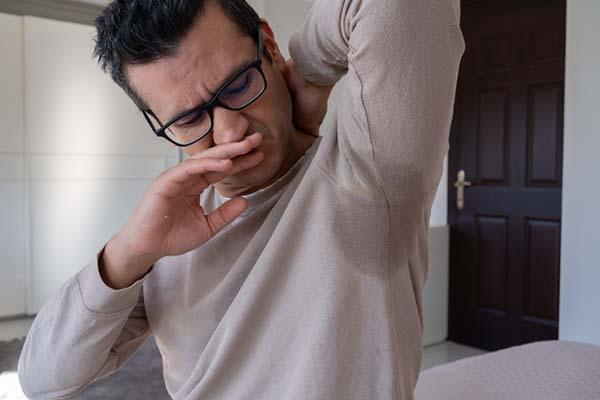
Body odor: How it changes — and how to improve it
Every person smells a little different, due to genetics, hygiene habits, and the skin’s microbiome (the microbes that naturally live on the skin), but body odor occurs when someone’s scent becomes foul. It is most noticeable when people are sweating, but body odor changes sometimes signal certain health conditions.

Routine cancer screenings for older adults: Mammograms, colonoscopies, PSA tests, and more
Most cancer screening guidelines recommend an upper age limit to cease regular testing. But older adults should ask their doctor whether the benefits of continuing screening outweigh the risks, which may include unnecessary treatments and potentially dangerous complications.

Hot weather hikes: Staying safe when temperatures spike
Summer is a great time to take a hike, but it’s essential to make sure you’re prepared for the weather and conditions where you are. Hiking safely and planning ahead will make your trek more enjoyable.

The 5 pillars of longevity: Movement, nutrition, sleep, stress reduction, and social connection
The term “longevity” encompasses both living longer and staying in good health. Research consistently indicates that five lifestyle pillars promote longevity: movement, nutrition, sleep, stress reduction, and socialization. But it’s impossible to gauge which pillar counts most toward longevity.
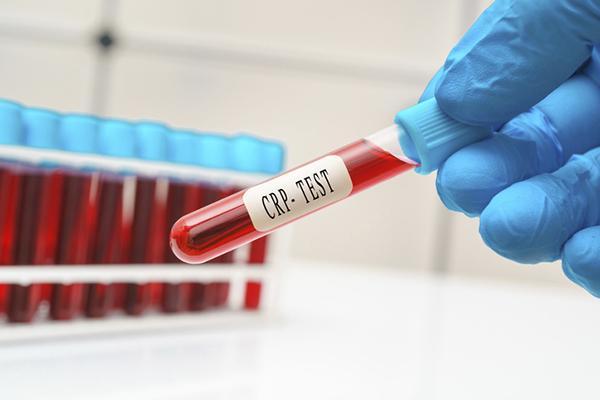
C-reactive protein: Should healthy people be tested for it?
Scientists are learning that chronic inflammation can raise people’s risk for cardiovascular disease much like established risk factors. The American College of Cardiology advocates measuring an inflammation marker called C-reactive protein in healthy people to reveal hidden heart disease risk.

What is a longevity specialist, and should I see one?
Longevity (or healthspan) specialists focus on preventing age-related disease and extending people’s healthy years, rather than waiting to treat illness once it appears. Ideally, a longevity specialist focuses on proven health fundamentals before supplements and experimental therapies.

Think fast: How does your face protect you?
Not only is our face our calling card to the world, its features evolved to mount immune system defenses, help ward off illness, and protect us in many ways. Our eyes, nose, mouth, and facial structure itself all contribute to our continued well-being.

Atherosclerosis: Can AI help your doctor detect it?
Using an AI algorithm on a coronary computed tomography angiogram can quantify the type and amount of plaque in the heart’s arteries. But whether that information can help prevent more heart attacks remains to be seen.

Extreme heat: Staying safe if you have health issues
Climate change has made life-threatening heat waves increasingly common across the globe. Anyone with health issues will have a more difficult time in extreme heat, including older people and people with diabetes, heart disease, asthma, and other conditions. Be prepared by knowing how to identify and treat heat-related illness, and how to plan for hot days.
Even a little exercise linked with lower stroke risk in people with afib
Testosterone therapy without evidence of deficiency may boost heart risk
Weight-loss drug may lower risk of heart attacks and infections
What to eat on the DASH diet
Migraine: How it's diagnosed and what that means
Tricep workouts you can do at home
Mindfulness practices to reduce stress and improve focus
Antihistamines may not offer meaningful relief from eczema symptoms
Overweight and taking blood pressure medications: Study finds it's a trend that's working
FDA approves first mRNA-based flu vaccine
Free Healthbeat Signup
Get the latest in health news delivered to your inbox!
Sign Up
