

Even a little exercise linked with lower stroke risk in people with afib

Testosterone therapy without evidence of deficiency may boost heart risk

Weight-loss drug may lower risk of heart attacks and infections

What to eat on the DASH diet

Migraine: How it's diagnosed and what that means

Tricep workouts you can do at home

Mindfulness practices to reduce stress and improve focus

Antihistamines may not offer meaningful relief from eczema symptoms

Overweight and taking blood pressure medications: Study finds it's a trend that's working

FDA approves first mRNA-based flu vaccine
Health screenings and checkups Archive
Articles

Remedies for motion sickness: What works?
Motion sickness is tricky to treat. Gadgets such as wristbands and special glasses may help, but their reported benefits may be due to the placebo effect. Several drugs, including a new one that curbs vomiting, are available.
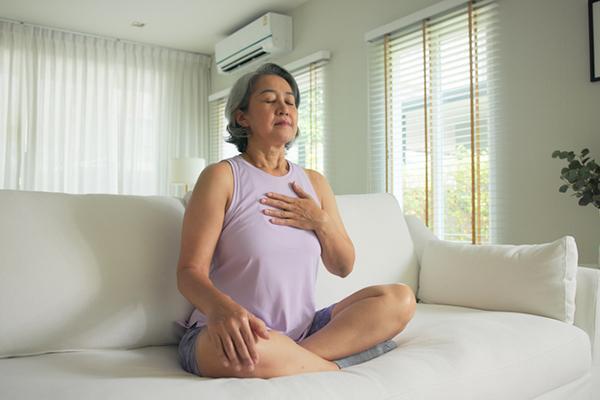
Breathing exercises to lower your blood pressure
For people with high blood pressure, practicing slow, deep breathing for 15 minutes a day can potentially lower blood pressure. Helpful techniques include 4-7-8 breathing, box breathing, and belly breathing. Devices to guide breathing exercises may also be useful.
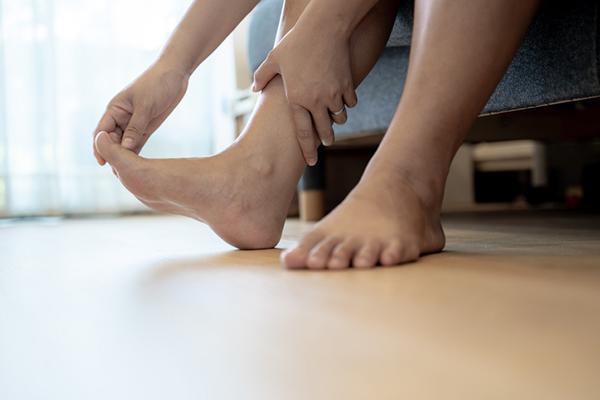
Why do my fingers and ankles swell by the end of the day?
Edema is swelling caused by fluid trapped in body tissues. It can occur in anyone, but it’s more common in older adults. A variety of factors contribute to mild edema, including weakened valves in veins, gravity, inactivity, arthritis, and certain medications.
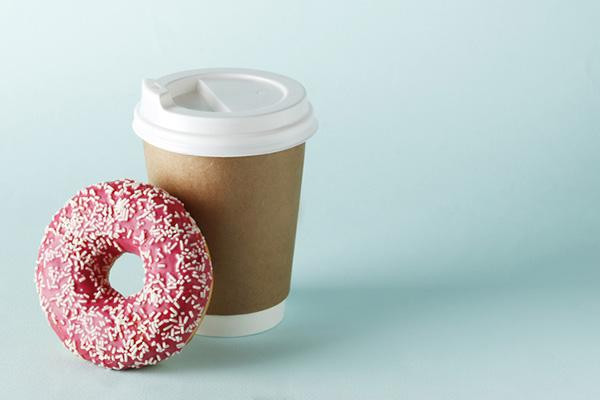
GERD diet: Foods to avoid to reduce acid reflux
Dietary changes can make a big difference for people with gastroesophageal reflux disease (GERD). Foods to limit or avoid include chocolate, onions, and tomato sauce. Adjusting eating habits-by eating smaller portions, for example-might also help people avoid heartburn and other symptoms.
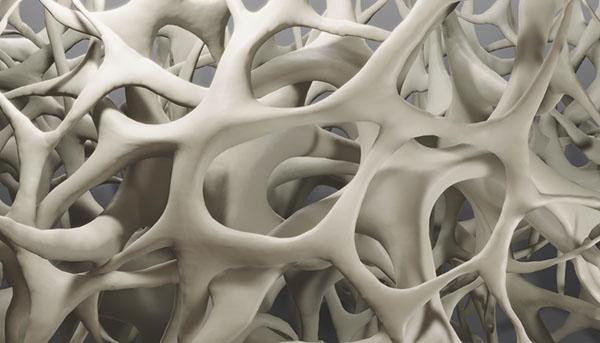
Everyday habits that sneakily weaken your bones
A variety of everyday habits can stealthily reduce bone health. These include consuming too little calcium, excessive caffeine or soda, inadequate protein, and large amounts of alcohol, as well as smoking, being sedentary, dieting frequently, or taking certain medications.
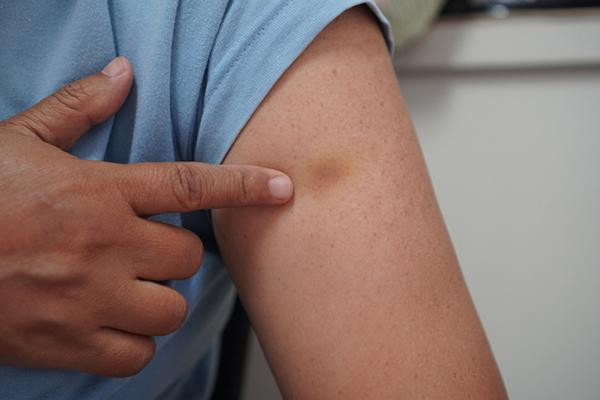
Why do I bruise so easily?
As we get older, noticeable bruises are usually related to thinning skin and increasing fragility of the tiny blood vessels in the outer layer of skin. There is not much people can do about this, but they should see their doctors if bruising is excessive or becomes painful.
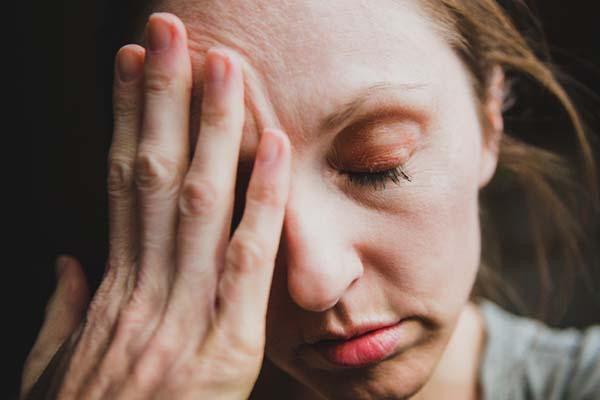
The 7 types of rest and why we need them all
People may believe that rest and sleep are synonymous, but sleep is only one form of rest. People need seven different types of rest to feel recharged. These are physical, mental, spiritual, sensory, creative, emotional, and social rest.
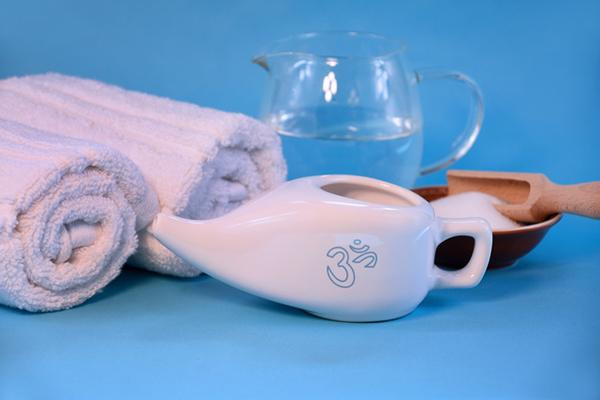
Can nasal irrigation help with winter colds and congestion?
Daily nasal irrigation (also called nasal rinses) may reduce symptom severity and the duration of a cold. It can also relieve the congestion caused by sinus infections and allergies. It is unclear whether it can prevent colds. By means of a squeeze bottle, neti pot, or battery-powered system, saline (salt water) is inserted into one nostril and flows out the other. It's important to always use sterile water, meaning distilled or cooled boiled water. The rinse helps wash away mucus and some inflammatory chemicals, reducing the swelling that's responsible for congestion.
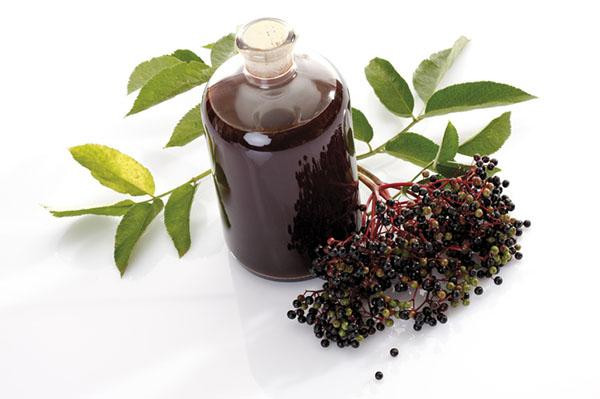
What are the health benefits of elderberry?
Elderberry syrup or tea may help reduce the duration and severity of cold and flu symptoms. But the evidence for these benefits is uncertain, since the studies are small and most did not compare elderberry to standard treatments. Claims that elderberry products can prevent viral infections or boost immunity are unproven. Elderberry supplements appear to be relatively safe; in clinical trials, effects such as nausea, vomiting, or diarrhea were mild and rare.
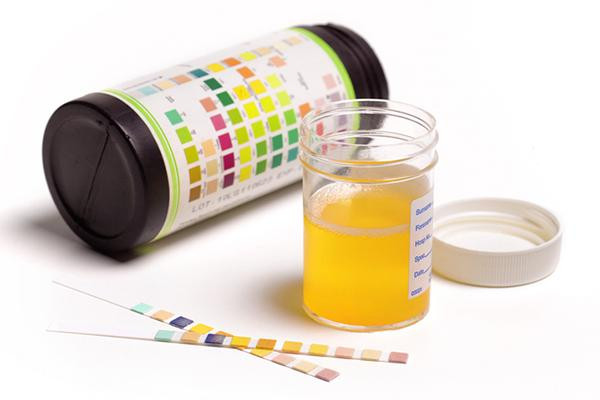
Urine and your health
A urine test, also known as a urinalysis, can reveal a great deal about a person's health. The kidneys produce urine to remove excess fluid and waste products from the body. But urine also contains various chemicals, minerals, toxins, bacteria, and red and white blood cells. Analyzing a urine sample with visual, chemical, and microscopic exams can reveal the presence and amounts of these substances, which can provide clues to specific conditions.
Even a little exercise linked with lower stroke risk in people with afib
Testosterone therapy without evidence of deficiency may boost heart risk
Weight-loss drug may lower risk of heart attacks and infections
What to eat on the DASH diet
Migraine: How it's diagnosed and what that means
Tricep workouts you can do at home
Mindfulness practices to reduce stress and improve focus
Antihistamines may not offer meaningful relief from eczema symptoms
Overweight and taking blood pressure medications: Study finds it's a trend that's working
FDA approves first mRNA-based flu vaccine
Free Healthbeat Signup
Get the latest in health news delivered to your inbox!
Sign Up
