

Even a little exercise linked with lower stroke risk in people with afib

Testosterone therapy without evidence of deficiency may boost heart risk

Weight-loss drug may lower risk of heart attacks and infections

What to eat on the DASH diet

Migraine: How it's diagnosed and what that means

Tricep workouts you can do at home

Mindfulness practices to reduce stress and improve focus

Antihistamines may not offer meaningful relief from eczema symptoms

Overweight and taking blood pressure medications: Study finds it's a trend that's working

FDA approves first mRNA-based flu vaccine
Gynecologic cancers Archive
Articles

Women more likely than men to show atypical stroke symptoms
A 2022 study found that women are more likely than men to have "generalized" stroke symptoms such as weakness and confusion, in addition to classic signs such as speech or movement problems.

Pregnancy's lasting toll
Pregnancy and childbirth effects on the body can linger or develop years or decades after the birth. Muscles, ligaments, and nerves in the pelvis can be damaged, leading to urine or stool leakage or sagging pelvic organs. Treatment approaches include a pessary, various surgical procedures, or pelvic floor physical therapy. Women can protect their pelvic floor from weakening further by maintaining a healthy weight, preventing constipation, and managing conditions that contribute to chronic cough.
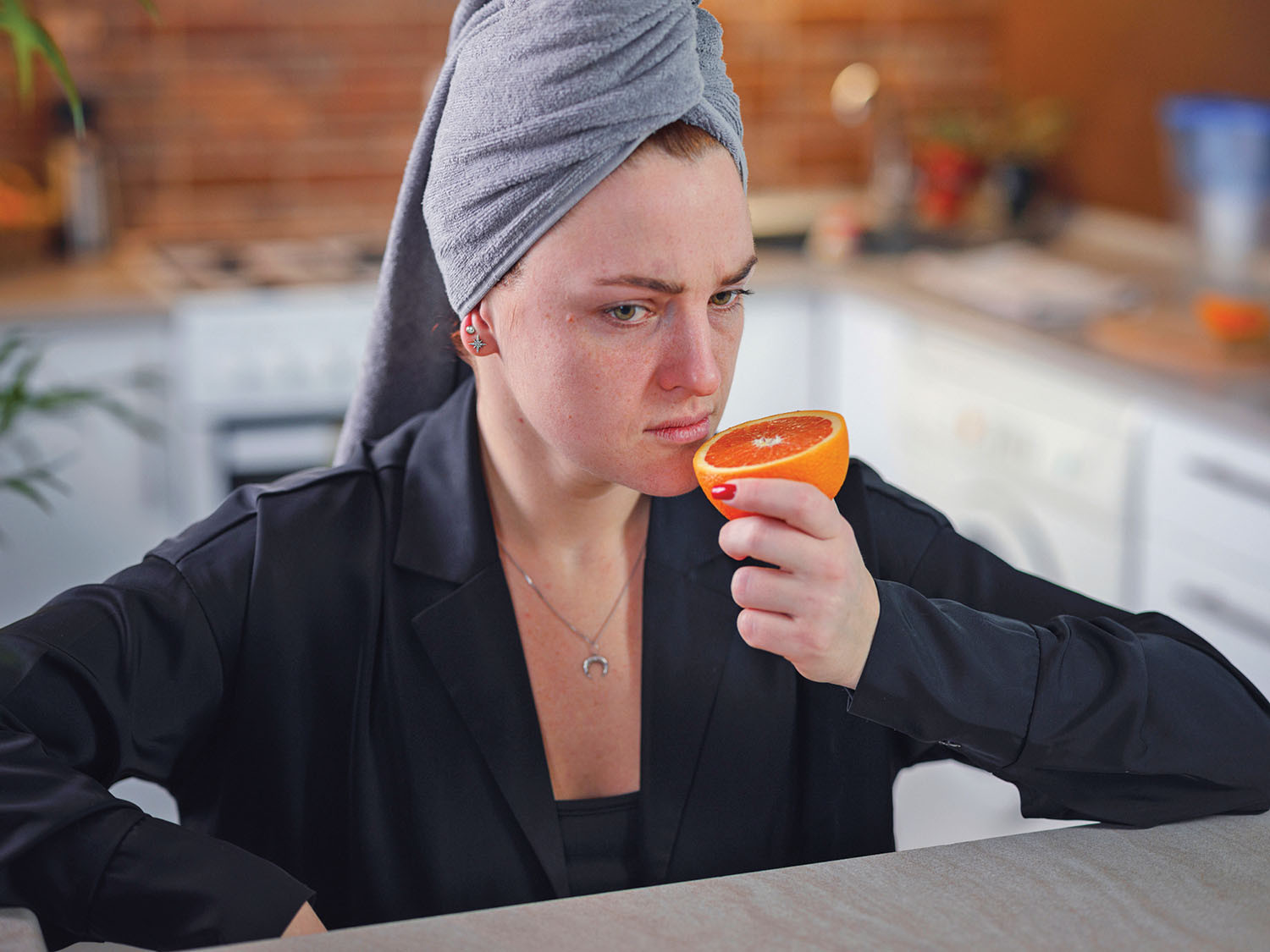
Long COVID symptoms differ between the sexes
A 2022 study found that women with long COVID showed more symptoms than men, including shortness of breath and fatigue.

Novel telehealth approach may improve overactive bladder symptoms
A 2022 study found that women with overactive bladder showed significant improvement in urinary symptoms, such as urgency and leakage, after they engaged in a type of telehealth care.

What type of breast screening do you need?
Mammograms are still the gold standard method for breast screening, but additional imaging tests can help detect cancers that might otherwise be missed in women with dense breasts or other breast cancer risk factors. Ultrasound is inexpensive but has a high false-positive rate if used alone. MRI is expensive but very accurate for tumor detection. Three-dimensional mammograms are highly accurate but have a 50% false-positive rate over a decade of yearly screening in women ages 40 to 79.

Dementia link to early menopause
Reaching menopause many years before the average age may be linked to a higher risk of developing dementia later in life.

Menopause and brain fog: What's the link?
Brain fog is tied to the severity of certain menopause symptoms, especially depression and sexual problems. Estrogen loss may be a factor, but cognitive issues aren't expected to linger. Women in menopause may worry dementia is the culprit, but Alzheimer's is rare at midlife. Strategies for coping with brain fog include staying calm, challenging the brain by changing routines, writing reminders, exercising, getting sufficient sleep, and avoiding multitasking.

Women's heart symptoms not so different after all
Women have long been told to watch for "atypical" signs of heart attack, but new guidance reveals that heart symptoms are not as different in men and women as once believed. Women are also more likely to have a less-common subtype of heart failure, and reproductive history should be considered when assessing women's heart risks. Anyone experiencing chest pain should call 911, mention chest pain before other symptoms, and bear in mind that other chest sensations may signal heart attack.
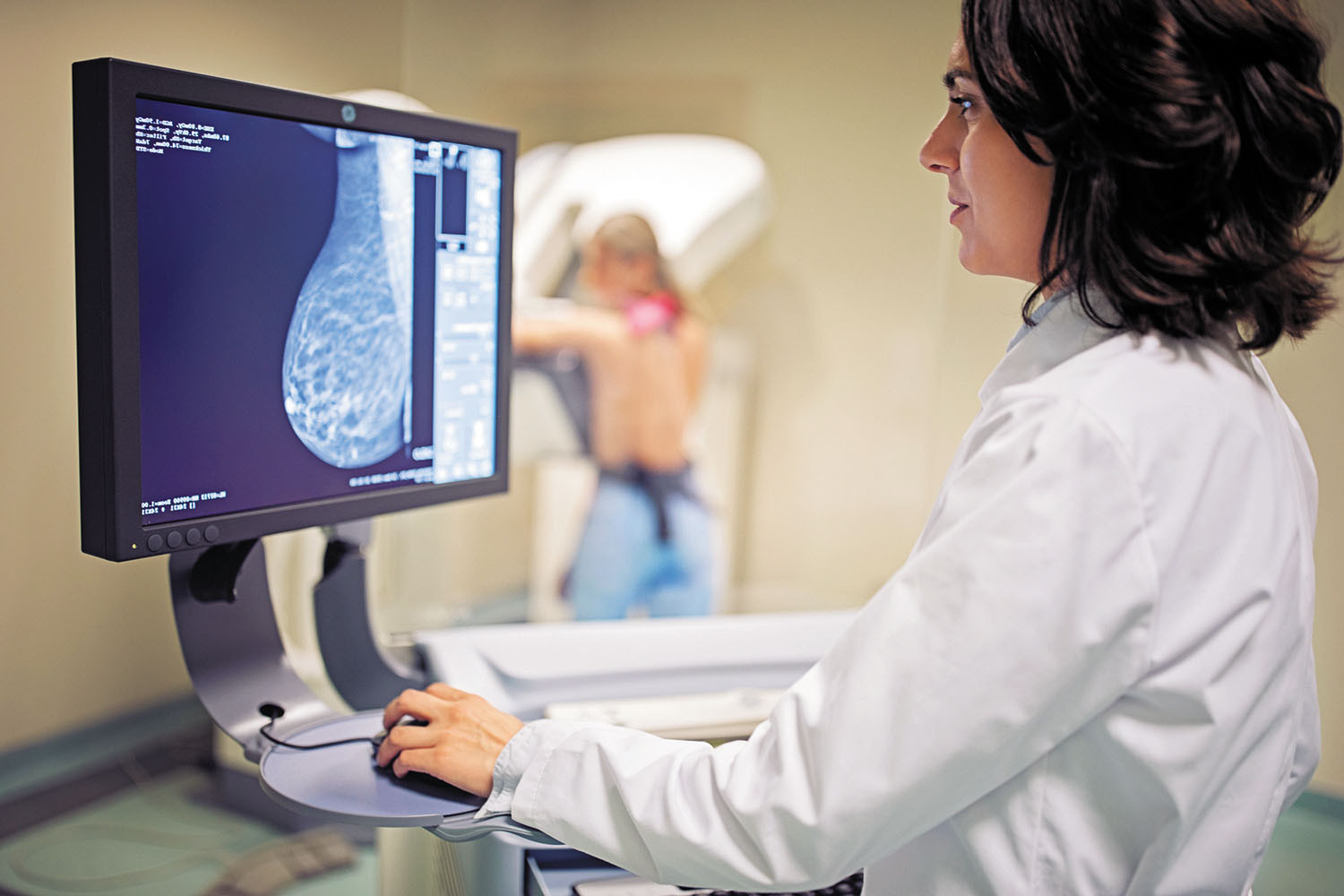
Mammograms may help reveal cardiovascular risk
Postmenopausal women whose screening mammograms show signs of calcification in their breast arteries may have a higher risk of cardiovascular disease.

Considering pregnancy and have lupus? Plan ahead
In the past, people with lupus were advised to avoid pregnancy because doctors believed it was too risky. That's no longer true: in most cases, following expert guidelines can make a successful pregnancy possible. It's wise to think ahead, and to be aware of some important issues.
Even a little exercise linked with lower stroke risk in people with afib
Testosterone therapy without evidence of deficiency may boost heart risk
Weight-loss drug may lower risk of heart attacks and infections
What to eat on the DASH diet
Migraine: How it's diagnosed and what that means
Tricep workouts you can do at home
Mindfulness practices to reduce stress and improve focus
Antihistamines may not offer meaningful relief from eczema symptoms
Overweight and taking blood pressure medications: Study finds it's a trend that's working
FDA approves first mRNA-based flu vaccine
Free Healthbeat Signup
Get the latest in health news delivered to your inbox!
Sign Up
