

Even a little exercise linked with lower stroke risk in people with afib

Testosterone therapy without evidence of deficiency may boost heart risk

Weight-loss drug may lower risk of heart attacks and infections

What to eat on the DASH diet

Migraine: How it's diagnosed and what that means

Tricep workouts you can do at home

Mindfulness practices to reduce stress and improve focus

Antihistamines may not offer meaningful relief from eczema symptoms

Overweight and taking blood pressure medications: Study finds it's a trend that's working

FDA approves first mRNA-based flu vaccine
Gestational diabetes Archive
Articles

What’s a healthy breakfast?
It’s more than okay to skip the early-morning breakfast, but no matter what time of day you break your overnight fast, make your first meal a healthy one that won’t cause your blood sugar to spike.


Higher vitamin D levels linked to lower risk for diabetes
News briefs
Vitamin D is an essential vitamin; low levels are associated with poor bone and muscle health and other chronic conditions, such as heart disease and cancer. Now, a study published online April 19, 2018, by PLOS One has tied higher vitamin D levels to a lower diabetes risk. Researchers followed 900 older adults (average age 74) for 12 years, checking their vitamin D and blood sugar levels during clinic visits. Compared with people whose blood levels of vitamin D were below 30 nanograms per milliliter (ng/ml), people with vitamin D levels of 30 ng/ml or more had one-third the risk for developing diabetes, and people whose D levels were 50 ng/ml or more had one-fifth the risk. This study does not prove that taking vitamin D supplements to raise blood levels of vitamin D would reduce the risk of diabetes, although that is possible. The Institute of Medicine maintains that a blood level of 20 ng/ml or higher is sufficient for 97% of the population. Other authorities think that levels higher than 20 ng/ml are better for health. Large studies are under way to help resolve these differences of opinion.
Image: © cegli | GettyImages

Coffee: More links to health than harm
News briefs
Image: © Wavebreakmedia/Getty Images
Past studies have suggested that drinking coffee is associated with many health benefits, such as added longevity, lower blood pressure, less weight gain with aging, and a reduced risk of many diseases, including type 2 diabetes, liver disease, cardiovascular disease, several degenerative neurological diseases (like Parkinson's disease), and cancer. Now a massive review of more than 200 large studies, published Nov. 22, 2017, in The BMJ, backs up many of those links. The largest health benefits were associated with drinking three to four cups of coffee per day: drinking more than four cups per day did not bring additional benefits. It's not all good news, however; the study found that women who drank coffee had greater risks for fracture and pregnancy complications. But over all, the researchers say, coffee drinking appears to be safe. They caution that the findings are all based on observational studies, not randomized controlled trials — the gold standard of research.

Deterring heart disease if you have diabetes
Lifestyle changes are vital, but new medications may help.
a_namenko; © Halfpoint | Thinkstock; zaretskaya | GettyImages
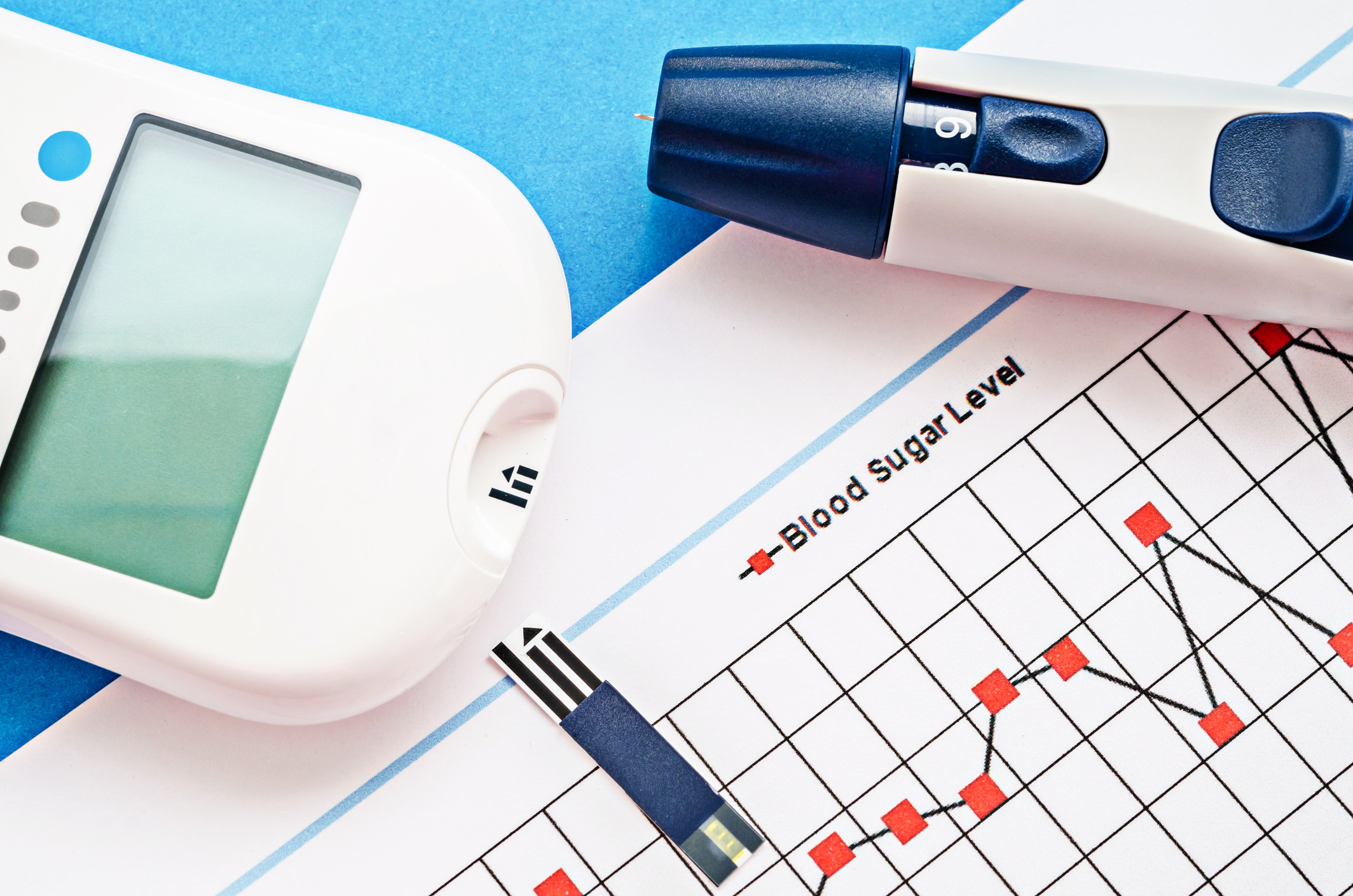
Two of the most prevalent health problems in this country — type 2 diabetes and heart disease — are closely linked. People with diabetes are more than twice as likely to die from heart disease than those without diabetes. An array of overlapping risk factors (such as being overweight and having high blood pressure and cholesterol levels) probably explains part of this association.
On the plus side, a diet that emphasizes vegetables, fruits, whole grains, lean protein, and healthy fats, coupled with regular moderate exercise (at least 30 minutes daily, most days of the week) can help people dodge the dangers associated with both heart disease and type 2 diabetes. Even so, most people with type 2 diabetes must also take the drug metformin (or other medications) to help reduce their high blood sugar levels, the hallmark of the disease.
Racial and ethnic minority communities hit hard by type 2 diabetes: Here’s what we can do
As the number of people with diabetes continues to climb, the problem is especially acute for members of many ethnic and racial minority communities. Greater awareness of this situation is required to bring improved care and treatment to everyone who needs it.

Midlife heart health shows a link with future risk of dementia
Factors that harm your heart may be bad for your brain.
Image: © Nik01ay/Thinkstock
During middle age, factors that leave you prone to a heart attack or stroke — high blood pressure, diabetes, and smoking — may raise your risk of developing dementia a quarter-century later, new research suggests. All three things affect your vascular (blood vessel) health.
The recent study, which adds to the growing evidence linking heart health to brain health, has elements that make findings especially reliable, says Dr. Gad Marshall, a Harvard Medical School assistant professor of neurology. "For understanding the vascular risks for dementia, this study is as close to definitive as we can get," he says.

Artificial sweeteners: No help, possible harm?
Research we're watching
Image: © Highwaystarz-Photography/Thinkstock
Close to a third of Americans say they use artificial sweeteners on a daily basis. Popular examples include aspartame (Equal, NutraSweet), sucralose (Splenda), and stevia (Truvia, Pure Via). They're all available in packets and are also added to soda, yogurt, and other foods.
But do these sugar substitutes actually help you lose weight? New research suggests they do not. In fact, these zero-calorie additives may have the opposite effect — and possibly even increase the risk of high blood pressure, diabetes, and heart disease.
Even a little exercise linked with lower stroke risk in people with afib
Testosterone therapy without evidence of deficiency may boost heart risk
Weight-loss drug may lower risk of heart attacks and infections
What to eat on the DASH diet
Migraine: How it's diagnosed and what that means
Tricep workouts you can do at home
Mindfulness practices to reduce stress and improve focus
Antihistamines may not offer meaningful relief from eczema symptoms
Overweight and taking blood pressure medications: Study finds it's a trend that's working
FDA approves first mRNA-based flu vaccine
Free Healthbeat Signup
Get the latest in health news delivered to your inbox!
Sign Up
