

Even a little exercise linked with lower stroke risk in people with afib

Testosterone therapy without evidence of deficiency may boost heart risk

Weight-loss drug may lower risk of heart attacks and infections

What to eat on the DASH diet

Migraine: How it's diagnosed and what that means

Tricep workouts you can do at home

Mindfulness practices to reduce stress and improve focus

Antihistamines may not offer meaningful relief from eczema symptoms

Overweight and taking blood pressure medications: Study finds it's a trend that's working

FDA approves first mRNA-based flu vaccine
Gestational diabetes Archive
Articles

Diabetic retinopathy: Understanding diabetes-related eye disease and vision loss
Over seven million people have diabetic retinopathy, the most common form of vision loss in working-age adults with diabetes. It’s recommended that people with diabetes should work to keep blood pressure in the normal range and their A1c level below 7% to avoid complications such as diabetic retinopathy.

Swap out a sweet drink to reduce your diabetes risk
Research we're watching
Replacing just one sugary drink each day with water may reduce your risk of developing diabetes, according to a study published online Oct. 3, 2019, by Diabetes Care. Researchers from Harvard's T.H. Chan School of Public Health looked at more than two decades' worth of data collected in three long-term studies, involving more than 192,000 adults. By tracking beverage intake over time, they found that people who increased their consumption of sugary drinks (including 100% fruit juice) by more than 4 ounces a day over four years had a 16% increase in diabetes risk over the next four years. Turning to "diet" versions might not help, either: an 18% jump in diabetes risk occurred in people who increased their intake of artificially sweetened drinks by more than 4 ounces a day over the same period, although some of that risk could have reflected other factors, said researchers.
The bottom line: If you want to reduce diabetes risk, it's better to skip sweet drinks and stick to unsweetened tea, coffee, or water. When people drank one of those beverages once a day instead of a sweetened drink, diabetes risk dropped by 2% to 10%.
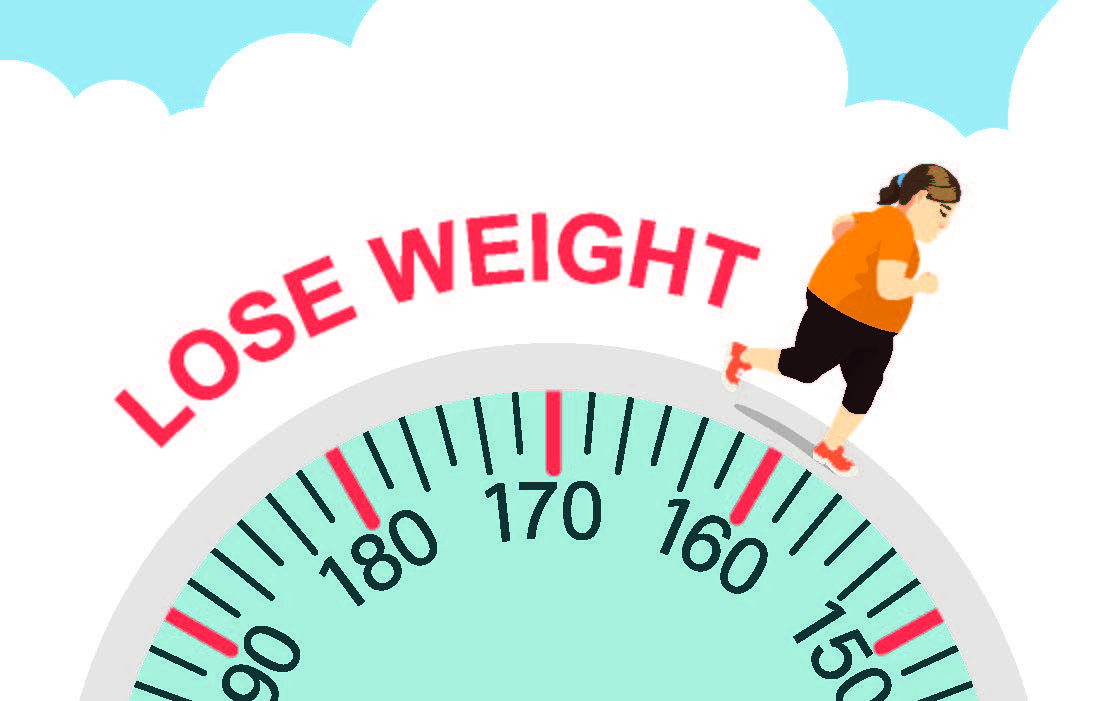
Are you on the road to a diabetes diagnosis?
A higher-than-normal blood sugar level puts you at risk for developing diabetes and heart disease.
If you're hoping to avoid heart disease, you probably pay close attention to your blood cholesterol levels. But you also should keep an eye on your blood sugar, because an elevated blood sugar level is an early warning sign of diabetes, one of the main risk factors for cardiovascular disease.
A fasting blood sugar level of 100 to 125 milligrams per deciliter (mg/dL) means you may have a common precursor to diabetes, called prediabetes. (Normal blood sugar values range from 70 to 99 mg/dL.) An estimated one in three American adults has prediabetes, although most of them don't know it.

If you have diabetes, a crop of new medicines may help your heart
People at high risk of heart disease get the most benefit from these costly drugs.
If you're a woman with diabetes, your risk of developing heart disease is four times that of a woman without diabetes. That means protecting your heart health should be a top priority. It starts with adopting heart-healthy lifestyle changes. But if you have a history of heart attack or stroke or are high risk for other reasons, your doctor may suggest a diabetes medication with extra benefits.
Women and their doctors can choose from a crop of new drugs that may reduce diabetes-related heart risks. "Today we're starting to try to customize or personalize an individual's preventive medicine. We take certain subgroups of patients — such as those with a past history of stroke, heart attack, or heart failure — and steer them toward specific drugs based on new data," says Dr. David Nathan, director of the Diabetes Center and Clinical Research Center at Massachusetts General Hospital and professor of medicine at Harvard Medical School.

Omega-3 fats don’t reduce the risk of diabetes or improve blood sugar control
Research we're watching
While eating more foods rich in omega-3 fatty acids may lower the risk of heart attack, that doesn't seem to reduce the risk of developing diabetes, according to a study published Aug. 24 in The BMJ. Prompted by past findings that this type of healthy fat might reduce diabetes risk and improve blood sugar (glucose) control, researchers decided to look further into the issue. They reviewed 83 randomized trials involving more than 120,000 people, both with and without diabetes. Each trial went on for six months or longer. These trials looked at whether increasing consumption of omega-3 fats (derived from fish or plants), omega-6 fats (such as those in soybean or corn oil), or total polyunsaturated fats could help lower blood glucose or reduce the risk of developing diabetes. They found that increasing the amount of omega-3, omega-6, or total polyunsaturated fats in the diet over an average study period of nearly three years didn't seem to have any effect on glucose metabolism or diabetes risk. It didn't matter whether the additional healthy fats came from supplements, enriched foods, or foods that were naturally rich in these fats.
Image: outline205/Getty Images

Can I reverse prediabetes?
Ask the doctors
Q. My doctor recently told me I have prediabetes. Is this condition reversible?
A. Yes, it is possible to reverse prediabetes. Prediabetes is a condition that affects millions of Americans. The CDC estimates that as many as one in every three American adults has the condition, which is defined as having blood sugar that is elevated, but not high enough to meet the threshold for diabetes. Left untreated, prediabetes can progress to diabetes, a condition in which your body is not able to absorb glucose for energy properly, causing blood sugar to rise. If it's not managed properly, diabetes can lead to a number of health problems, from heart attack and stroke to blindness, kidney problems, and infections, among others. But making some lifestyle changes can reduce the risk that your prediabetes will develop into diabetes.

Transforming the treatment of diabetes
Technology may help to provide more supportive, efficient, and effective care for diabetes, a leading contributor to heart disease.
About one of every 11 adults in this country has diabetes — a chronic, costly condition that's closely connected to heart disease. Lifestyle changes that encourage eating healthy foods, exercising, and losing weight are the cornerstone of managing both problems. But making those changes can often feel overwhelming and frustrating, especially for people with diabetes. They also need to keep tabs on their blood sugar levels, which are influenced by what and when they eat and exercise.
And getting effective support for managing diabetes with lifestyle changes isn't easy. "The current system for managing diabetes is broken," says Dr. Osama Hamdy, medical director of the Obesity Clinical Program at Harvard-affiliated Joslin Diabetes Center. For starters, there aren't nearly enough endocrinologists for the millions of people with diabetes in this country. Appointments with these specialists are often too short and too infrequent for people to make meaningful progress, he explains.

Weekend catch-up sleep won’t fix the effects of sleep deprivation on your waistline
Trying to make up for not getting enough sleep during the week by sleeping longer on weekends has been found to have negative effects such as weight gain, expending less energy, and increased calorie intake during evenings.

Intensive blood sugar control doesn’t have lasting cardiovascular benefits for those with diabetes
A recent 15-year follow-up to the Veterans Affairs Diabetes Trial found that short-term intensive blood sugar control did not lead to significant reduction of risk of cardiovascular events in the long term.

Why are diabetes-related complications on the rise?
From 1990 to 2010, there was a significant decrease in diabetes-related complications, but since then the trend has reversed and complications are on the rise among young adults. This may be due to the changing profile of those who develop type 2 diabetes, or may be due to other factors.
Even a little exercise linked with lower stroke risk in people with afib
Testosterone therapy without evidence of deficiency may boost heart risk
Weight-loss drug may lower risk of heart attacks and infections
What to eat on the DASH diet
Migraine: How it's diagnosed and what that means
Tricep workouts you can do at home
Mindfulness practices to reduce stress and improve focus
Antihistamines may not offer meaningful relief from eczema symptoms
Overweight and taking blood pressure medications: Study finds it's a trend that's working
FDA approves first mRNA-based flu vaccine
Free Healthbeat Signup
Get the latest in health news delivered to your inbox!
Sign Up
