

Even a little exercise linked with lower stroke risk in people with afib

Testosterone therapy without evidence of deficiency may boost heart risk

Weight-loss drug may lower risk of heart attacks and infections

What to eat on the DASH diet

Migraine: How it's diagnosed and what that means

Tricep workouts you can do at home

Mindfulness practices to reduce stress and improve focus

Antihistamines may not offer meaningful relief from eczema symptoms

Overweight and taking blood pressure medications: Study finds it's a trend that's working

FDA approves first mRNA-based flu vaccine
Fertility Archive
Articles
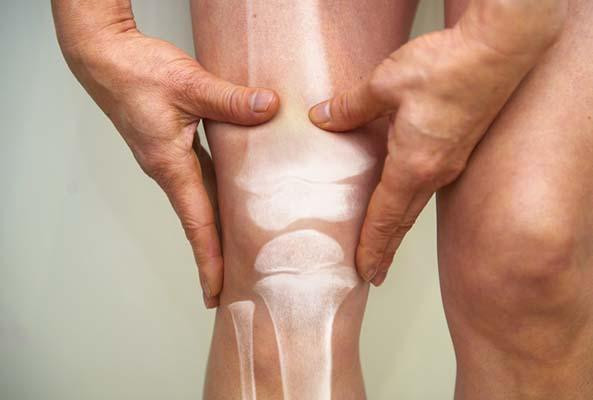
Reproductive factors may raise women's osteoporosis risk
A 2025 study suggested that women with a history of infertility, miscarriage, or stillbirth or who have borne just one child or no children may be likelier to eventually develop osteoporosis.
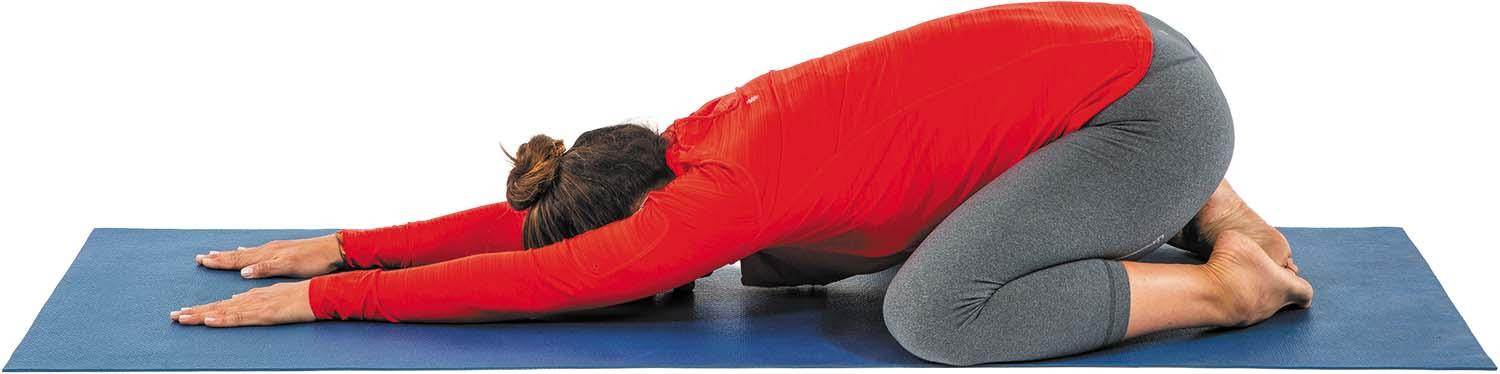
Pelvic floor exercises: Help for incontinence, sexual health, and more
Pelvic floor exercises can involve strengthening or stretching the muscles that support the bladder, bowel, and core. The exercises can lead to better bladder and bowel control. They can also help improve sexual function.
Antibiotic-free fixes for recurrent UTIs
About 60% of women will develop a urinary tract infection (UTI) sometime during their lives, and more than a quarter of this group will cope with recurrent UTIs. Long-term antibiotic use for UTIs can lead to antibiotic resistance and make side effects more likely.
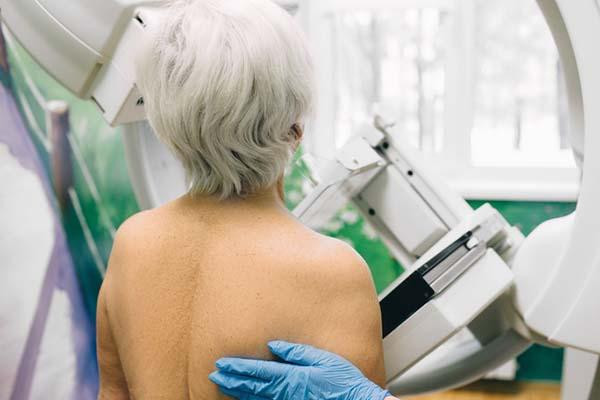
When can older women stop getting mammograms?
Mammogram screening guidelines for women 74 and older vary considerably. Randomized, controlled clinical trials have not examined the implications of screening mammograms in women 70 and older, and treating tumors unlikely to reduce life expectancy can harm women.
What are the early warning signs of cervical cancer?
Early signs of cervical cancer can include blood-tinged vaginal discharge, heavier discharge than usual, spotting or bleeding between periods, menstrual flow that’s heavier or lasts longer than usual, bleeding or pain during or after intercourse, and vaginal bleeding after menopause.

Women face barriers to cardiac rehab despite proven benefits
A 2025 scientific statement from the American Heart Association indicated that women with cardiovascular disease are far less likely than men with the condition to take part in cardiac rehabilitation programs, despite the proven benefits.
Women gain heart protection with far less exercise than men
A 2025 study suggested that women are less likely to develop coronary artery disease even when engaging in less moderate-to-vigorous exercise than men.

Why might women's voices change with age?
People's voices can change due to age-related vocal cord changes. Women's voices can also get deeper due to a decline in estrogen. Other factors that contribute to voice changes in older adults include weakening muscles in the lungs, which dampen the ability to speak loudly.
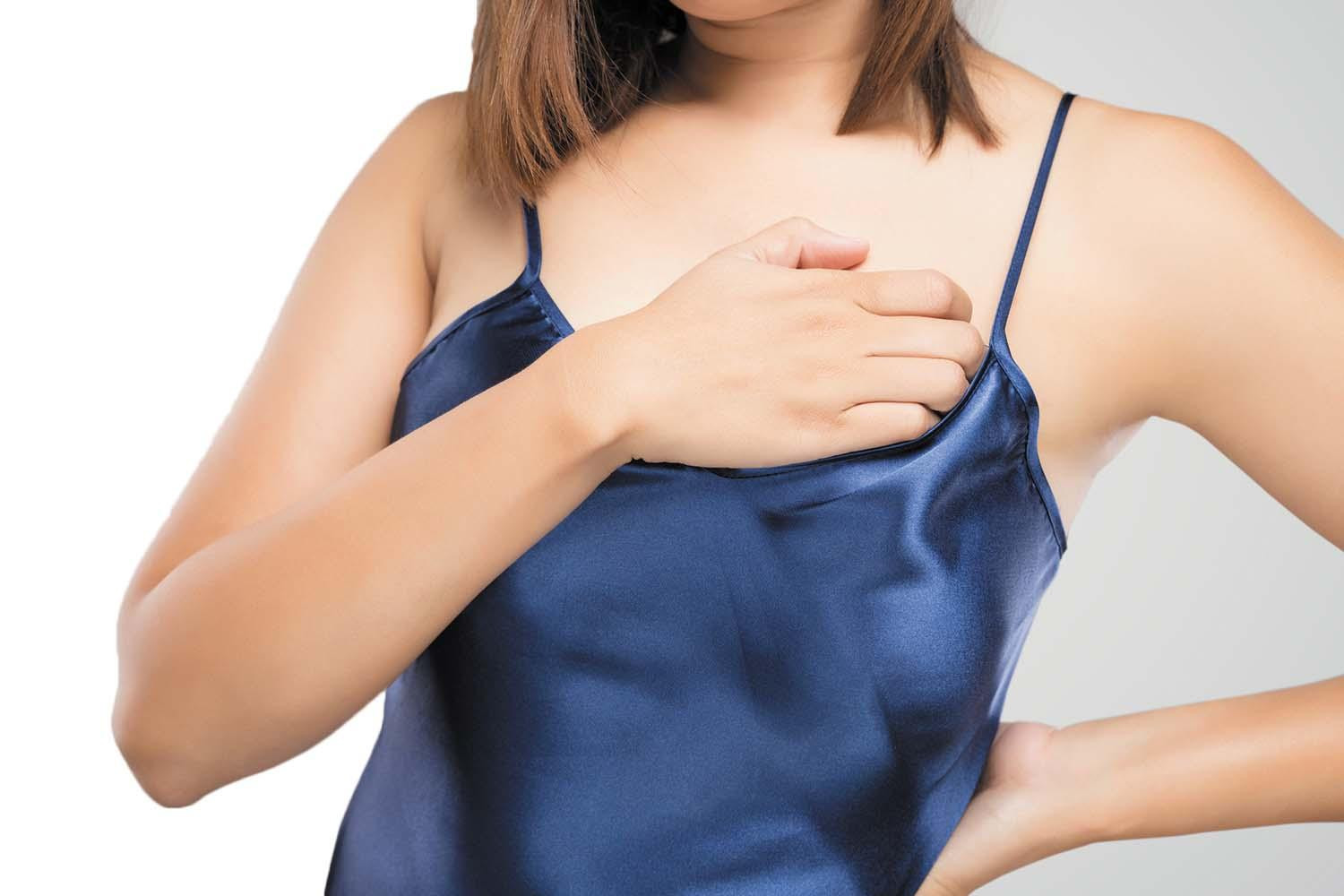
The head-scratching dilemma of itchy nipples and breasts
Itchiness of the breasts or nipples isn't common, but can signal conditions both harmless and serious. Minor reasons for itchiness across the bra area include eczema, psoriasis, exposure to soaps or detergents, trapped moisture, and pregnancy and breastfeeding. More serious causes include infections, breast surgery, radiation treatment, and certain rare forms of breast cancer. Any skin changes on the breast that don't improve over weeks should be evaluated by a doctor.
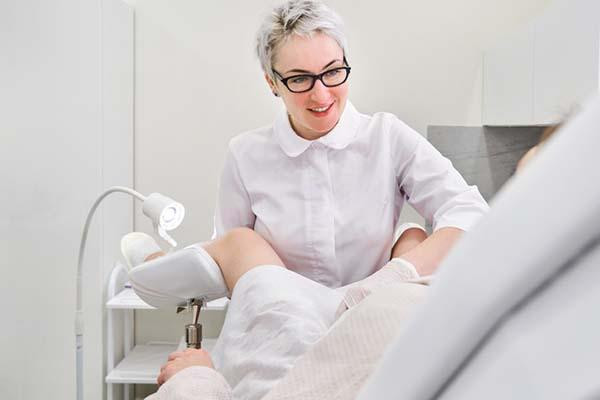
What can I expect during an endometrial biopsy?
An endometrial biopsy is the only way to rule out endometrial (or uterine) cancer. Any vaginal bleeding a year or more after a woman's final period raises the possibility of uterine cancer. The biopsy involves using a suction tube to gather cells from the uterine lining.
Even a little exercise linked with lower stroke risk in people with afib
Testosterone therapy without evidence of deficiency may boost heart risk
Weight-loss drug may lower risk of heart attacks and infections
What to eat on the DASH diet
Migraine: How it's diagnosed and what that means
Tricep workouts you can do at home
Mindfulness practices to reduce stress and improve focus
Antihistamines may not offer meaningful relief from eczema symptoms
Overweight and taking blood pressure medications: Study finds it's a trend that's working
FDA approves first mRNA-based flu vaccine
Free Healthbeat Signup
Get the latest in health news delivered to your inbox!
Sign Up
