

Healing after food poisoning

What is tempeh? Benefits, nutrition, and how to use it

Light exposure at night may raise risk for heart disease

Whole grains may improve several heart risk factors at once

A lumbar belt may help ease low back pain

Children of centenarians may stay healthier and live longer too, study finds

Signs of pneumonia: Sometimes vague and unexpected

The surprising link between ovarian cancer and the fallopian tubes

Using a vibration plate: What it can — and can't — do for your body

People who walk more or walk faster live longer, study finds
Energy and Fatigue Archive
Articles
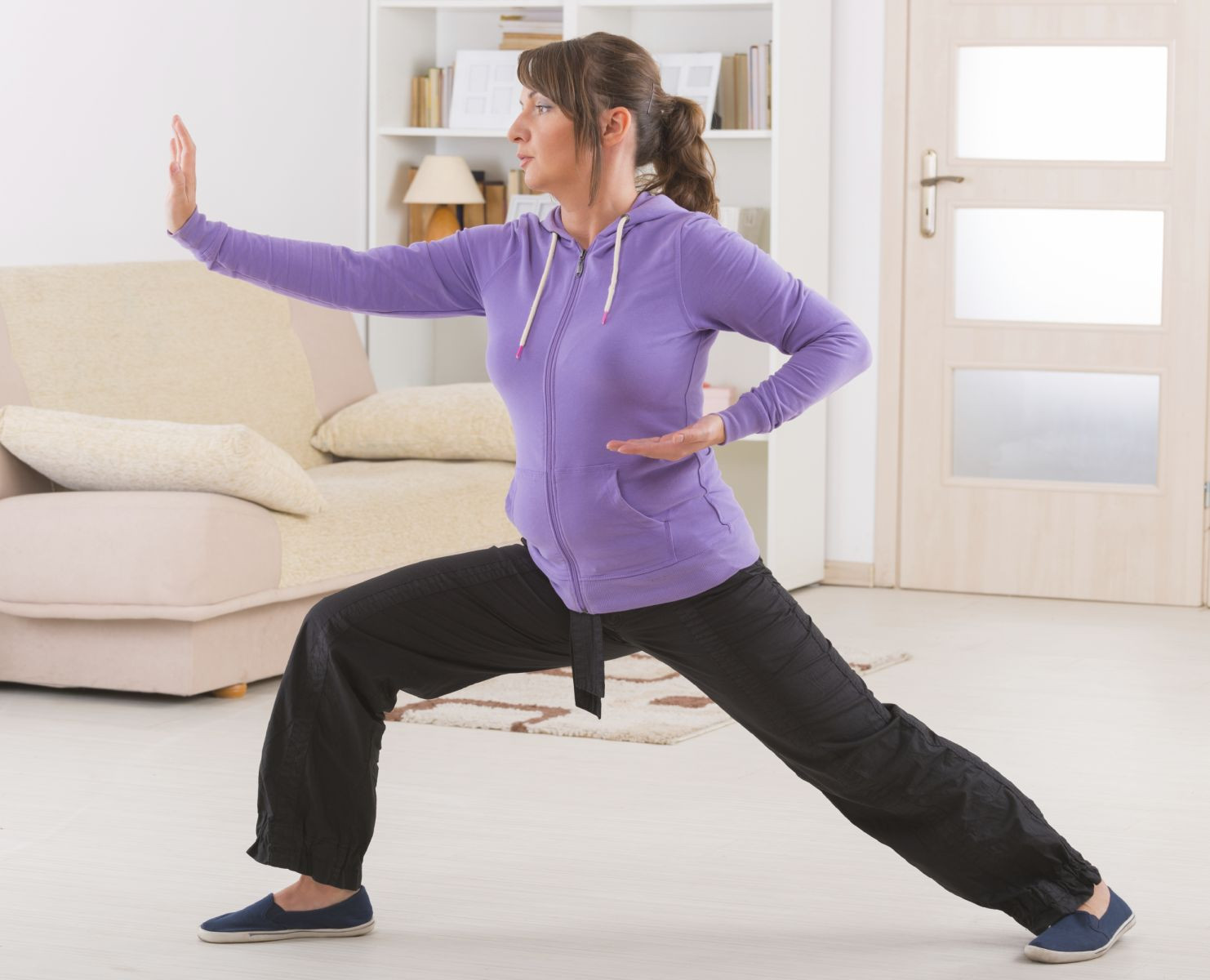
Proper posture the tai chi way
If you're like most people, your posture could use some improvement. But how do you do that? The classic advice is to stand straight, with your head up, shoulders back, and belly in. While these are reasonable adjustments, tai chi takes a different approach that may be more effective. It aims to align the body in ways that afford safe, unstrained, and graceful postures—not the military-like, one-size-fits all, rigid stances many think of as good posture.
Instead, in tai chi, good posture centers around the principle of verticality. That means the head is centered over the torso, the torso rests over the hips, and the hips are centered over the legs and feet, your base of support. Here's how to do it.
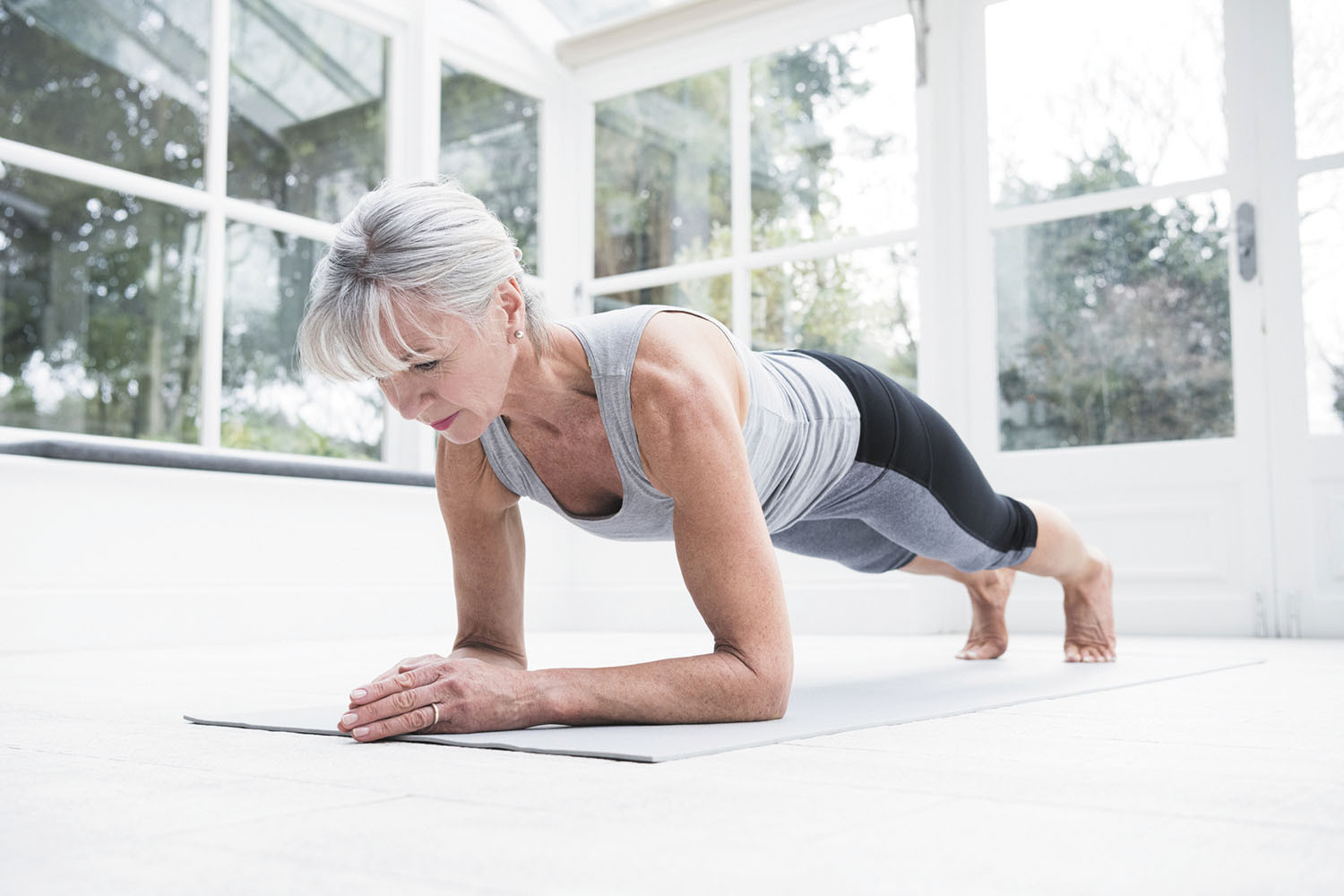
Tips to help you embrace abdominal workouts
You can strengthen your abs without feeling like you're tackling a daunting workout.
Image: © Johnny Greig/Getty Images
For some people, crunches and other abdominal muscle workouts are the last thing they'd want to do — so they don't. "Part of the perception is that it's difficult. We tend to want to avoid doing things that require effort, especially as we get older, when that's harder for us," says Lorna Brown, a physical therapist who specializes in geriatrics at Harvard-affiliated Spaulding Rehabilitation Hospital.
But skipping abdominal strengtheners can have a big effect on your mobility and independence — and not for the better.

Stepping up treatments for PAD
Proven therapies for this painful leg problem should soon be more accessible.
Image: © stevecoleimages/Getty Images
When fatty deposits clog the arteries that supply blood to the legs, even a short walk can cause leg cramping and pain. This condition, called claudication, comes from the Latin word claudicatio, meaning "to limp." It's the hallmark of peripheral artery disease, or PAD, which affects roughly one in seven people over the age of 60.
People with PAD are also likely to have clogged arteries (atherosclerosis) in the heart. In fact, they may be even more prone to heart attacks and strokes than people with heart disease who have already had one of those problems.
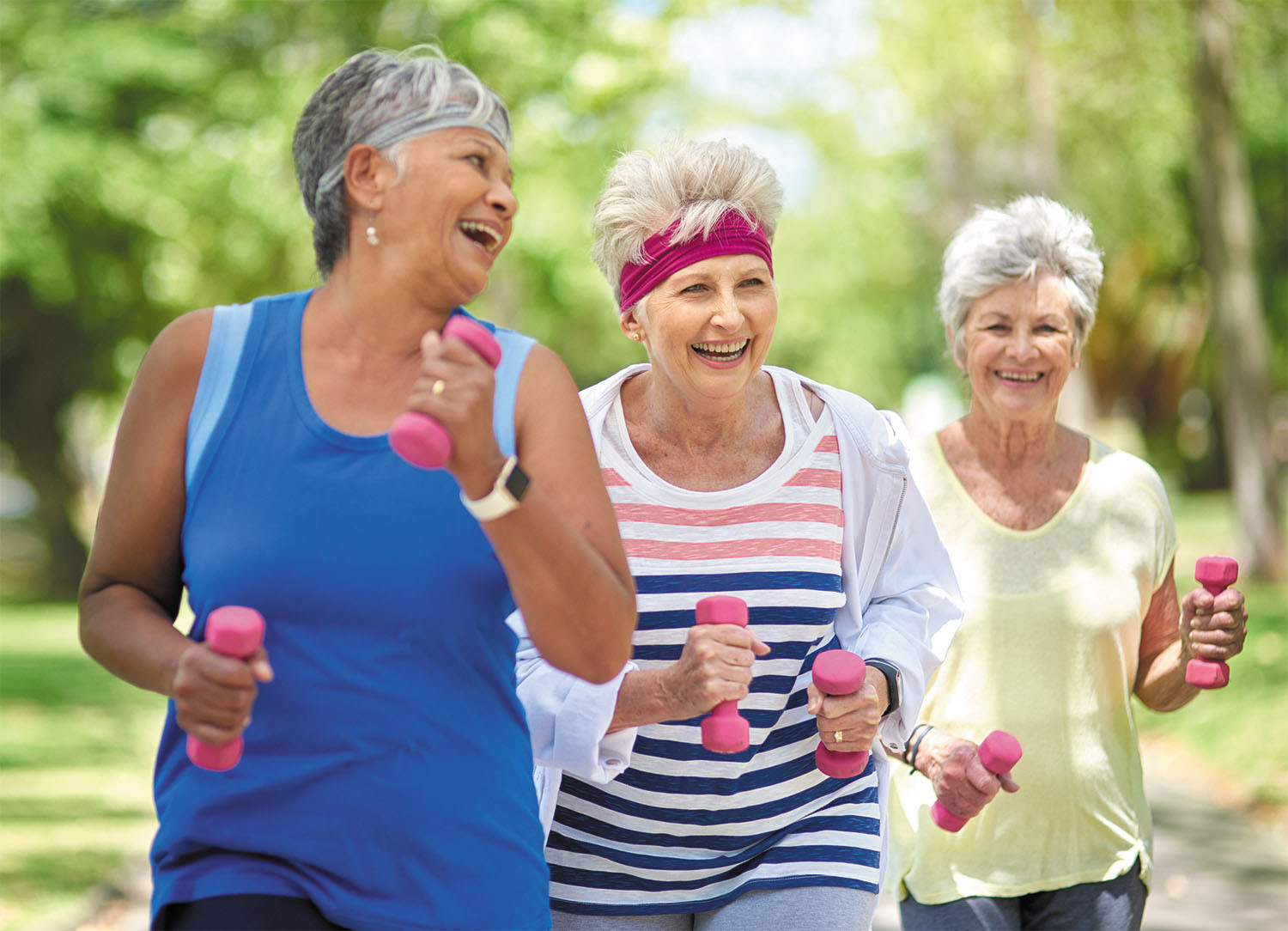
Walking for fitness? Avoid traffic-clogged streets
Research we're watching
Image: © Cecilie_Arcurs/Getty Images
If you walk on busy city streets, breathing the traffic fumes may cancel out the health benefits of the exercise, a new study suggests.
The London-based study, published online Dec. 5, 2017, by The Lancet, included 119 volunteers over the age of 60 who were either healthy or had stable chronic obstructive pulmonary disease or stable heart disease. They all walked for two hours midday at two different locations. One was in a quiet section of Hyde Park, where air pollution is usually within healthy limits. The other was on a busy shopping area on Oxford Street, where levels of pollutants such as black carbon, nitrogen dioxide, and fine particulate matter regularly reach dangerous levels. The walks were separated by three to eight weeks.

Getting stronger despite frailty
Men may be less able to perform daily activities as they age, but there are ways to reverse these changes.
Most men would prefer to maintain strength and robustness as they age. There are many ways to maintain a high level of health and energy through the years, but disease, surgery, and Father Time sometimes gang up and make men feel as if their best years are behind them.
Still, you don't have to take frailty lying down. "It's never too late to treat frailty and recoup what you may have lost," says Dr. Marian T. Hannan, co-director of the Musculoskeletal Research Center at the Institute for Aging Research at Harvard-affiliated Hebrew SeniorLife.
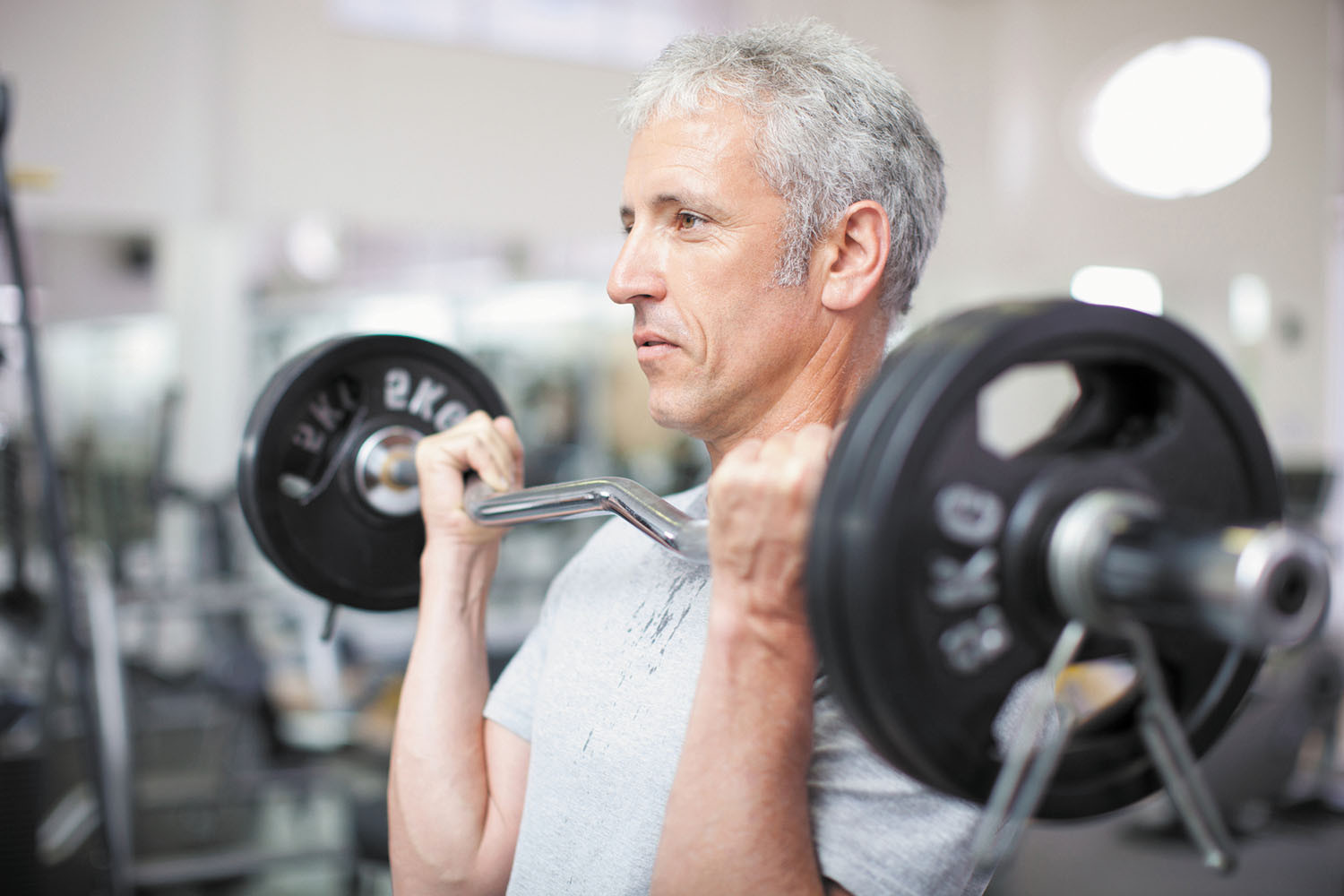
Weight training helps maintain muscle mass in overweight adults
In the journals
Image: © Robert Daly/Getty Images
Cardio is often regarded as the exercise of choice for weight loss, but older adults can benefit from adding weight lifting too, as it helps preserve muscle mass more than aerobic workouts.
A study published online Oct. 30, 2017, by the journal Obesity divided 249 overweight or obese adults in their 60s into three groups. One followed a restrictive diet of 1,200 to 1,800 daily calories. Another followed the diet and also did weight-machine workouts (four 45-minute sessions per week, targeting the major muscle groups). The third group followed the diet plus a cardio program of walking (45 minutes, four days a week, at a moderate-intensity level).

Is my constant exhaustion normal?
Ask the doctors
Q. I feel like I'm tired all the time. Is this just a normal part of aging?
A. The short answer to your question is, no. Getting older may mean you have less endurance than you used to and you may feel tired sometimes, just like anyone else, but if you are experiencing long-lasting daily fatigue, there could be an underlying medical cause.

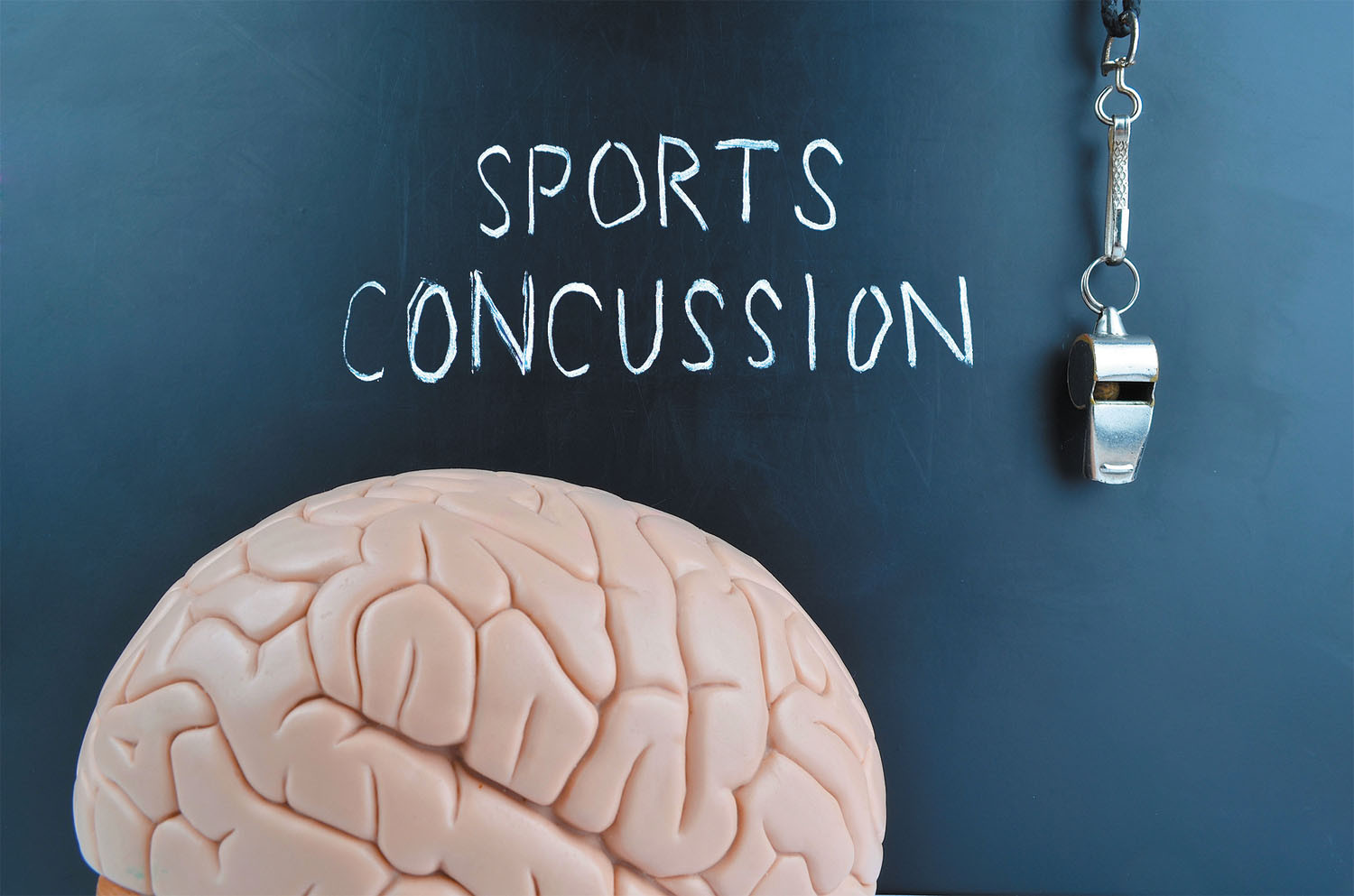
Should I worry about grandkids’ sports?
Ask the doctor
Image: © s-c-s/Thinkstock
Q. I keep hearing that concussions can cause problems later in life. Should I be concerned about my grandkids playing sports, particularly football?
A. Sports teach kids many important life lessons, like the value of teamwork and hard work, and the importance of tenacity and resilience. The most popular sport in the United States is football. Yet evidence has emerged that repeated head injuries (common in football) may lead to a brain disease called chronic traumatic encephalopathy (CTE). This disease, which currently can be diagnosed only at an autopsy, causes difficulty thinking, severe mood swings, anger, violence — and death.

Fitness over 50: Rebooting your workout
You may not be aware of physical changes that can make your old workout risky. Try these tips to ease into exercise.
Blame it on a job change, a chronic health issue, or simply a loss of motivation: whatever took you away from your regular exercise routine has led to a sedentary lifestyle. But don't assume you can jump back into the same exercise regimen you followed when you were younger. "Your body has aged, and things have changed," says Dr. Clare Safran-Norton, clinical supervisor of rehabilitation services at Harvard-affiliated Brigham and Women's Hospital.
What's different
Age-related physical changes aren't always obvious. "We lose muscle mass and strength as we get older, and the muscles become less flexible and less hydrated," says Dr. Safran-Norton. Arthritis weakens joints. And vision changes, neurological disease, joint pain, or problems inside the ear can throw off your balance.
Healing after food poisoning
What is tempeh? Benefits, nutrition, and how to use it
Light exposure at night may raise risk for heart disease
Whole grains may improve several heart risk factors at once
A lumbar belt may help ease low back pain
Children of centenarians may stay healthier and live longer too, study finds
Signs of pneumonia: Sometimes vague and unexpected
The surprising link between ovarian cancer and the fallopian tubes
Using a vibration plate: What it can — and can't — do for your body
People who walk more or walk faster live longer, study finds
Free Healthbeat Signup
Get the latest in health news delivered to your inbox!
Sign Up
