

Even a little exercise linked with lower stroke risk in people with afib

Testosterone therapy without evidence of deficiency may boost heart risk

Weight-loss drug may lower risk of heart attacks and infections

What to eat on the DASH diet

Migraine: How it's diagnosed and what that means

Tricep workouts you can do at home

Mindfulness practices to reduce stress and improve focus

Antihistamines may not offer meaningful relief from eczema symptoms

Overweight and taking blood pressure medications: Study finds it's a trend that's working

FDA approves first mRNA-based flu vaccine
Drug interactions Archive
Articles
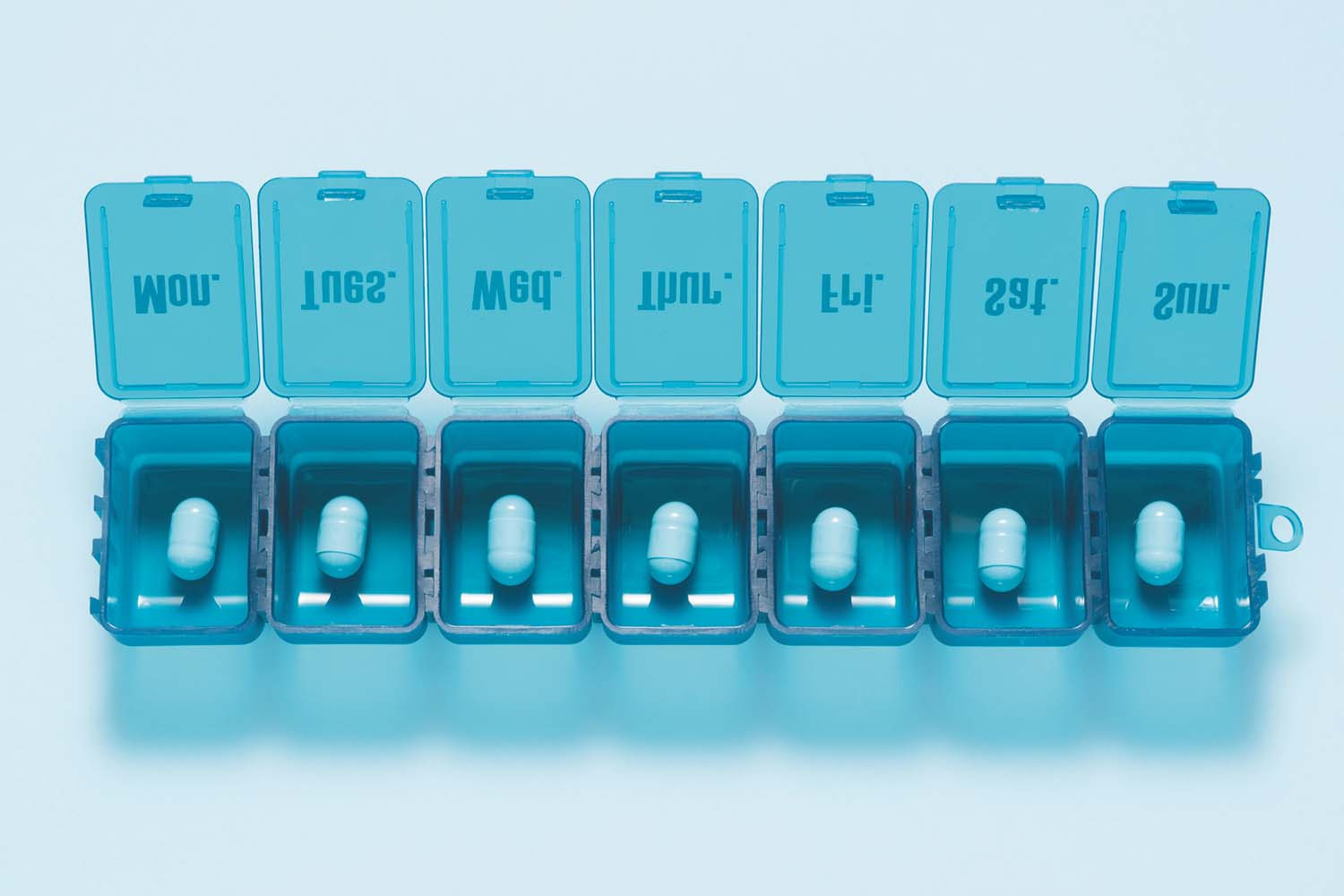
How can I reduce my number of daily medications?
Many people end up taking a long list of medications when they might be able to safely reduce the number of daily pills. Reviewing medications with their specialists and primary care doctor can help determine which drugs may be reduced or perhaps discontinued.

Stopping a medication? Check first, quit safer
Abruptly stopping a medication can be risky and even life-threatening. For example, suddenly discontinuing certain drugs can cause a rebound effect, meaning that symptoms or problems that were controlled—such as high blood pressure or heartburn—can return with a vengeance. Stopping some medications, such as prescription painkillers or antidepressants, might result in withdrawal symptoms. Before quitting any drug cold turkey, it's important to consult with a doctor to make sure that it's safe.

Beyond appetite suppression
Semaglutide (Ozempic, Wegovy), which mimics a natural hormone called GLP-1, has become a popular obesity drug because it promotes dramatic weight loss. New evidence suggests this drug and others like it may also curb compulsions for things other than food. The drugs may also dampen cravings for alcohol, smoking, gambling, and excessive shopping by hampering activation of the brain's reward pathways. If further research confirms preliminary findings, the demand for GLP-1 drugs is likely to increase.

FDA approves first pill for postpartum depression
The FDA approved the first pill for postpartum depression in August 2023. The fast-acting drug, zuranolone (Zurzuvae), is taken for just two weeks.

Injuries and blood thinners: How to stop bleeding
Taking a blood thinner helps protect people at risk for dangerous blood clots that can lead to life-threatening conditions, such as a stroke or heart attack. But the medications increase the risk for uncontrolled bleeding. People taking the drugs should learn what to do in case bleeding occurs. For minor injuries, it's important to apply extra pressure until bleeding stops. For serious injuries, one should call 911 and apply as much pressure as possible to the wound until help arrives. People who take blood thinners and experience even minor injury from a fall or accident should automatically go to urgent care or the emergency department to get checked out, even if there is no apparent bleeding or trauma is observed.

New help for hot flashes
Vasomotor symptoms, consisting of hot flashes and night sweats, affect 80% of women during the menopause transition and beyond. In May 2023, the FDA approved fezolinetant (Veozah) as the first nonhormonal medication designed specifically for vasomotor symptoms. Other medications deemed effective for hot flashes are prescribed off-label. They include selective serotonin reuptake inhibitors, oxybutynin, and gabapentin. But these drugs may lead to troublesome side effects. Women interested in hot flash relief should ask their clinicians for options that take into account their other symptoms.
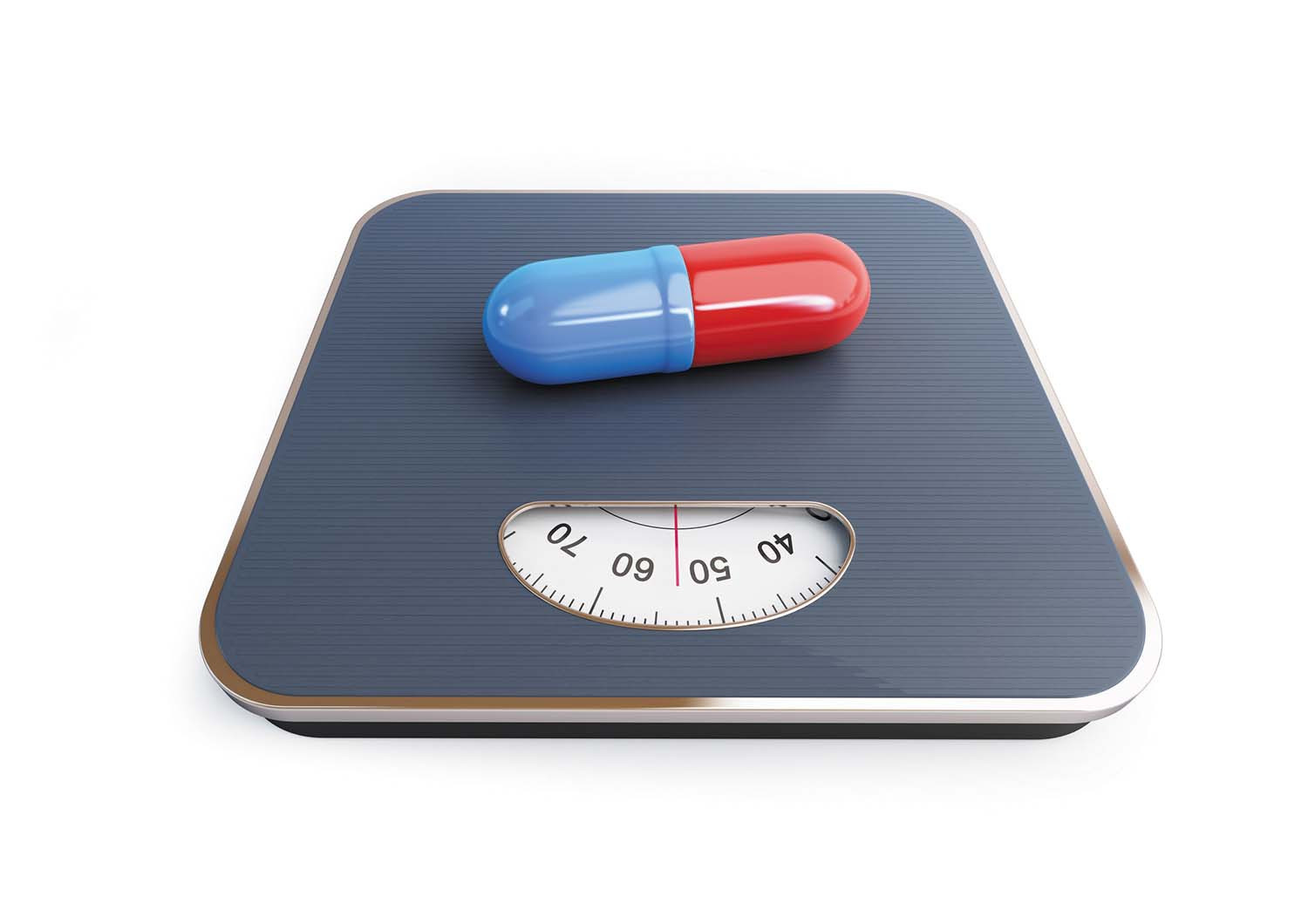
Understanding new weight-loss drugs
A newer class of medications used to treat type 2 diabetes called glucagon-like peptide-1 (GLP-1) receptor agonists has gained attention because of their impressive weight-loss results—in many cases, 10% to 20% of a person's body weight. Versions of two of these GLP-1 receptor agonists, liraglutide (Saxenda) and semaglutide (Wegovy), are FDA-approved for weight loss, even for people without diabetes. However, there isn't enough evidence to know whether these drugs might be beneficial or dangerous for people who are not diagnosed with diabetes or obesity.

Does human growth hormone slow the aging process?
Contrary to its reputation as an anti-aging supplement, human growth hormone is not effective at turning back the clock, and it may carry health risks. Commitment to a healthy diet and regular exercise is still the best formula for healthy aging.

Decoding medication instructions
Some medication instructions are vague and confusing. Examples include "take once daily," "take with food," and "take with water." When someone is unsure exactly how to take a medication, even if it's already been explained, it's best to ask for clarification. Ideally this happens when a doctor writes the prescription, but it's okay to call and ask later. It may also be helpful to ask a pharmacist for the directions, either when picking up a medication or on a later call.

Nasal spray slows rapid heart rhythm
A nasal spray containing the experimental drug etripamil can quickly treat an abnormally fast heart rhythm called supraventricular tachycardia. The disordered rhythm occurs sporadically and can raise heart rate to as much as 200 beats per minute.
Even a little exercise linked with lower stroke risk in people with afib
Testosterone therapy without evidence of deficiency may boost heart risk
Weight-loss drug may lower risk of heart attacks and infections
What to eat on the DASH diet
Migraine: How it's diagnosed and what that means
Tricep workouts you can do at home
Mindfulness practices to reduce stress and improve focus
Antihistamines may not offer meaningful relief from eczema symptoms
Overweight and taking blood pressure medications: Study finds it's a trend that's working
FDA approves first mRNA-based flu vaccine
Free Healthbeat Signup
Get the latest in health news delivered to your inbox!
Sign Up
