

Even a little exercise linked with lower stroke risk in people with afib

Testosterone therapy without evidence of deficiency may boost heart risk

Weight-loss drug may lower risk of heart attacks and infections

What to eat on the DASH diet

Migraine: How it's diagnosed and what that means

Tricep workouts you can do at home

Mindfulness practices to reduce stress and improve focus

Antihistamines may not offer meaningful relief from eczema symptoms

Overweight and taking blood pressure medications: Study finds it's a trend that's working

FDA approves first mRNA-based flu vaccine
Diabetes and metabolic health Archive
Articles

Thyroid disorders and heart conditions: What’s the connection?
Watch for an irregular heartbeat and cardiovascular disease.
Thyroid disorders are often overlooked as potential causes of heart problems, but there is a well-established link.
Image: AlexRaths/Thinkstock
The thyroid is a butterfly-shaped gland in your neck. It produces hormones—thyroxine (T4) and triiodothyronine (T3)—that tell your cells if they need to speed up or slow down. But if the thyroid gland is overactive or underactive, the result is a number of consequences and symptoms, sometimes involving the heart. "The connection to the heart is well established, but thyroid problems are often overlooked as the cause," says Dr. Giuseppe Barbesino, an endocrinologist at Harvard-affiliated Massachusetts General Hospital.

Sugar: Its many disguises
Excess sugar in the diet can cause a whole host of health problems, both physical and mental. If you’re concerned about cutting down on sugar, you might think you’re covered if you skip the soda and pastries. But there are plenty of hidden and added sugars lurking in all kinds of foods — even those traditionally considered “healthy.” Here, we’ve given you some tips on what to watch out for.

Why controlling your weight lowers your risk of diabetes
Inflammation is an important link between obesity, elevated blood sugar, and type 2 diabetes.
Weight loss can reduce inflammation—a major contributor to diabetes.
Image: tetmc/Thinkstock
We've known for a long time that being overweight is a major risk factor for developing type 2 diabetes. But only in the last 20 years have researchers determined that metabolism and immune responses are linked and that chronic inflammation plays an important role in the development of obesity, diabetes, and related metabolic diseases. "Inflammation is not only associated with obesity, diabetes, and cardiovascular disease, but also precedes and predicts these conditions," says Dr. Allison Goldfine, head of the Clinical Research section at Harvard-affiliated Joslin Diabetes Center.
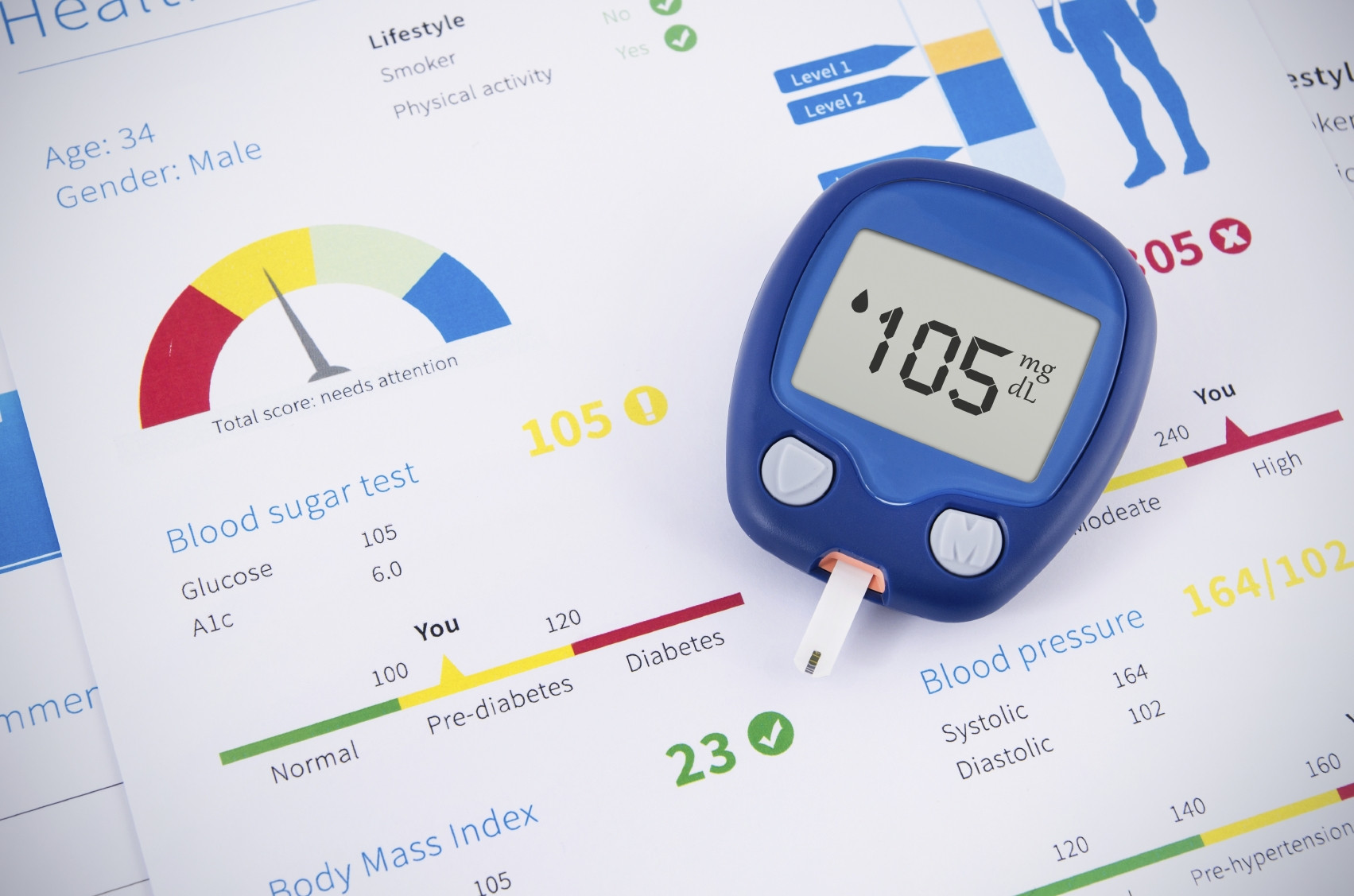
Diabetes drug pioglitazone could get personal: Neither panacea, nor peril
Doctors are often hesitant to prescribe newer drugs. We simply can’t know everything about them until the experiences of early adopters tell us what they’re really like. Such is the case with thiazolidinediones. Some of the more recent diabetes drugs fell out of favor, but a new study suggests that may be helpful for very specific types of patients.

Stronger hands linked to a healthier heart
The strength of your hands may hold clues to the health of your heart. A study in the December 2015 American Journal of Preventive Medicine found that people with stronger handgrips had more favorable findings on measures of their cardiovascular health than those with weaker grips.
The study included more than 4,200 adults ages 20 and older who were part of a nationwide health study. Researchers used a device called a dynamometer to measure each participant's hand strength, adjusting the readings based on body mass index. They found that higher handgrip strength was associated with lower blood pressure, lower triglycerides (a type of fat in the blood), lower blood sugar, and higher HDL (good) cholesterol.

Rethink your food and drink: Choices that may affect diabetes risk
If someone you know has been diagnosed with type 2 diabetes, you might be wondering about how you can lower your own risk. Fortunately, multiple studies have shown that many of the same healthy eating choices that can help your friend or loved one control their diabetes can also help you prevent it. The exact relationship between eating specific types of foods and the risk of developing diabetes remains somewhat controversial. But the study findings are consistent with what experts consider to be healthy eating habits for most adults.
So, if you're interested in lowering your risk of type 2 diabetes, it can't hurt to try getting more of the foods and nutrients that can lower your risk — and to avoid those that can raise it.

The changing landscape of heart disease and diabetes care
Image: Thinkstock
New guidelines and a novel diabetes drug point to new treatment approaches.
When it comes to the cardiovascular dangers from diabetes, the statistics are pretty disheartening: about two-thirds of people with type 2 diabetes ultimately die from heart disease or a stroke. But there's progress afoot. Recently updated guidelines and a novel diabetes drug with proven heart benefits offer promise for making a dent in that dire statistic. And in a nod to the importance of early detection, the U.S. Preventive Services Task Force recently recommended that adults ages 40 to 70 who are overweight be screened for diabetes (see "Diabetes screening tests").
Rising blood sugar: How to turn it around
| Image: Thinkstock |
Rising blood sugar signals a need for weight loss and more exercise.
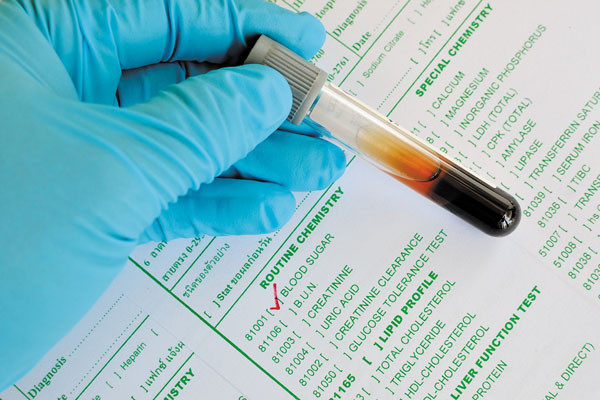
Whenever you have routine blood tests at a physical exam, chances are one of the numbers will be a measurement of your glucose, or blood sugar. A normal blood sugar level is less than 100 milligrams per deciliter of blood (mg/dL) after an eight-hour fast. You have diabetes if your blood sugar is 126 mg/dL or higher. But between those two numbers lie many opportunities for action.

Is thyroid hormone causing my recent mood changes?
Ask the doctor
Q. Recently, I felt very agitated and out of control, crying and angry about things I could ordinarily handle with ease. I was starting fights with my husband and others over relatively insignificant issues. I had been taking synthetic thyroid hormone for several decades and had very low levels of thyroid-stimulating hormone in my blood. I've stopped taking the hormone and feel better, but I feel bad about the way I snapped at my friends and family. Could thyroid hormone have been to blame for my behavior?
A. It could very well have been responsible. Low thyroid-stimulating hormone (TSH) levels mean that thyroid hormone levels are increasing. Anxiety, agitation, and restlessness are all signs of hyperthyroidism—an overactive thyroid gland or, in your case, too much thyroid hormone medication. You can let your husband and friends know that your irritability was probably caused by too high a dose of your prescription and not a permanent change in your disposition.

Even a little exercise linked with lower stroke risk in people with afib
Testosterone therapy without evidence of deficiency may boost heart risk
Weight-loss drug may lower risk of heart attacks and infections
What to eat on the DASH diet
Migraine: How it's diagnosed and what that means
Tricep workouts you can do at home
Mindfulness practices to reduce stress and improve focus
Antihistamines may not offer meaningful relief from eczema symptoms
Overweight and taking blood pressure medications: Study finds it's a trend that's working
FDA approves first mRNA-based flu vaccine
Free Healthbeat Signup
Get the latest in health news delivered to your inbox!
Sign Up
