
Sacroiliac joint pain: Causes, symptoms, and exercises that help

What causes knee pain: How doctors make a diagnosis

Study: At-home colorectal cancer screening may significantly cut colon cancer deaths

Where you carry excess weight matters in predicting heart disease risk

Tai chi walking: What is it and does it work?

Fatty liver disease: Should you be tested?

Weight-loss drug may lower risk of heart attacks and infections

Testosterone therapy without evidence of deficiency may boost heart risk

Even a little exercise linked with lower stroke risk in people with afib

FDA approves first mRNA-based flu vaccine
DASH diet Archive
Articles

Why didn’t mom think of this?
News briefs
Here's an idea to make vegetables more enticing: give them names that make them seem indulgent. An observational study published online June 12, 2017, by JAMA Internal Medicine found that diners in a large university cafeteria were more likely to put vegetables on their plates when the foods had less health-conscious names. Each weekday during the fall academic quarter, researchers took a batch of cooked vegetables and labeled them in one of four ways: basic (such as simply "green beans"); healthy restrictive (such as "light 'n' low-carb green beans and shallots"); healthy positive (such as "healthy energy-boosting green beans and shallots"); or indulgent (such as "sweet sizzlin' green beans and crispy shallots"). During the study period, diners usually went for vegetables with less healthy labels: 25% more people chose the indulgent option over basic labeling, 35% more people selected indulgent instead of healthy positive labeling, and 41% more people chose indulgent over healthy restrictive labeling. The indulgent label also led to people piling up to 33% more vegetables on their plates. The study didn't prove that the labels triggered the vegetable selections, and didn't prove that people actually ate their veggies. But the authors say using enticing food names appears to be a simple strategy to promote healthy eating.

Food trends and your heart
The type and amount of fat, carbohydrate, sugar, and salt in our food supply has changed over the years — for better and for worse.
Remember when packaged foods emblazoned with the words "fat free" seemed to be everywhere? Then came labels boasting "zero grams of trans fat." "Sugar free" and "low sodium" claims soon joined the chorus. These days, gluten-free foods are all the rage.
For the most part, these food industry trends echoed the nutritional mantras of the time and were designed to improve our health — especially cardiovascular health. Not only is heart disease the nation's leading killer, there's overwhelming evidence that better dietary choices could prevent many heart attacks and strokes. But just how successful have these efforts been?

A salad a day keeps stroke away?
Research we're watching
Image: © pilipphoto/Thinkstock
New research suggests that eating plenty of nitrate-rich vegetables — such as lettuce, spinach, and beets — may lower your risk of dying of a stroke or heart attack.
During digestion, your body converts nitrates into nitric oxide. This compound relaxes and widens blood vessels, which helps lower blood pressure. But does that translate to a longer life? To find out, researchers studied the diets of 1,226 older women who had no signs of fatty plaque in their arteries (atherosclerosis) and tracked them for 15 years.



Can you, should you, have medically tailored food delivered to your home?
Food promotes wellness when it follows your unique dietary needs.
Image: © Highwaystarz-Photography/Thinkstock
When you're coping with chronic illness or recovering from a hospital stay, you're probably not giving much thought to what's for dinner. Your focus instead may be on your doctor appointments or your medication regimen. But the food on your plate plays a crucial role in ensuring better health. You may need to meet a certain calorie intake or observe dietary restrictions (low salt or low potassium, for instance).
"In many cases, the diet part of that treatment plan is as important or more important than the medication you're taking," says Dr. Eric Rimm, a professor of epidemiology and nutrition at the Harvard T.H. Chan School of Public Health.

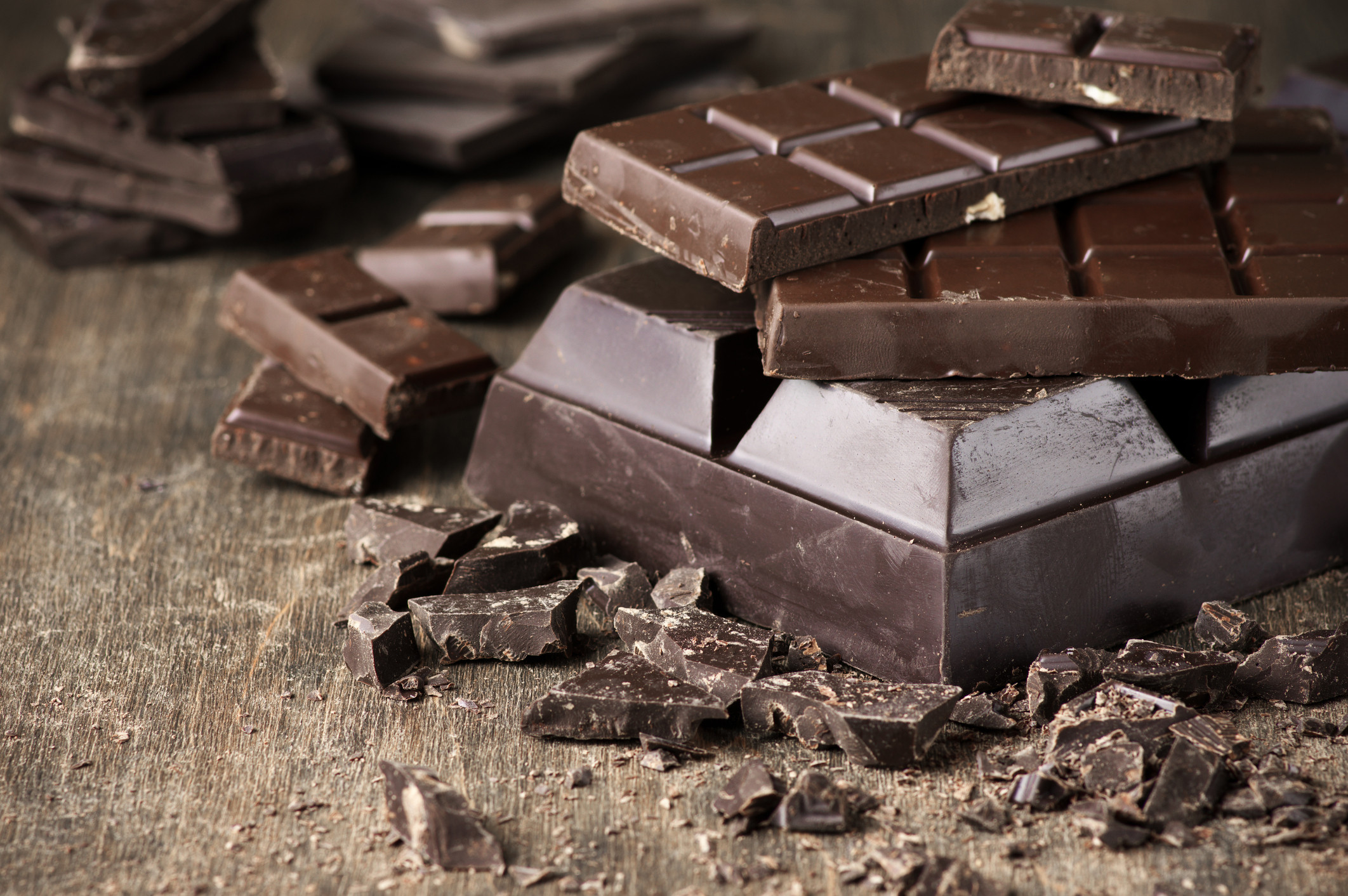
Is chocolate heart-healthy?
Ask the doctor
Q. I keep hearing that chocolate is good for heart health. Is it too good to be true?
A. It is not too good to be true — but it also is complicated. We have previously discussed studies indicating that foods derived from the cocoa bean — in particular, dark chocolate, which has a higher cocoa content than milk chocolate — are heart-healthy. Specifically, people who eat more chocolate have lower rates of heart attacks, heart failure, and even death from heart disease.

Think twice before going gluten-free
News briefs
Image: © Elenathewise/Thinkstock
Unless you have celiac disease, banning gluten from your diet won't boost your heart health—and may actually hurt it, suggests an observational study published May 2, 2017, in The BMJ. Gluten is a protein in wheat, barley, and rye. In people with celiac disease, eating gluten triggers the body to attack the small intestine, causing inflammation and leading to malnutrition and gastrointestinal distress. The inflammation, in turn, can increase heart disease risk. In these people, eliminating gluten stops the attack on the small intestine, reduces inflammation, and helps reduce heart disease risk.
A Harvard research team wondered whether people without celiac disease might also lower their heart disease risk by eliminating gluten from their diets. In a study of more than 110,000 healthy men and women followed for about 25 years, the researchers did not find a clear difference in the number of heart attacks that occurred among people who ate the most gluten each day, compared with people who ate the least. However, in people who avoided gluten by avoiding whole grains — which contain valuable nutrients — the risk of heart disease rose. So, if you're among the great majority of people who don't have celiac disease, avoiding gluten won't reduce your risk of heart disease, and it might increase the risk if it means you cut back on whole grains.
Sacroiliac joint pain: Causes, symptoms, and exercises that help
What causes knee pain: How doctors make a diagnosis
Study: At-home colorectal cancer screening may significantly cut colon cancer deaths
Where you carry excess weight matters in predicting heart disease risk
Tai chi walking: What is it and does it work?
Fatty liver disease: Should you be tested?
Weight-loss drug may lower risk of heart attacks and infections
Testosterone therapy without evidence of deficiency may boost heart risk
Even a little exercise linked with lower stroke risk in people with afib
FDA approves first mRNA-based flu vaccine
Free Healthbeat Signup
Get the latest in health news delivered to your inbox!
Sign Up
