

Naturally gluten-free foods

Harvard study: Healthier fats linked to longer life after prostate cancer diagnosis

Shingrix shingles vaccine linked with lower heart disease risks

Estrogen-only hormone therapy tied to lower dementia risk

Should you have a hysterectomy?

Stair climbing may significantly lower cardiovascular risks

Why do I sweat so much?

Walking pneumonia: The "mild" illness that can still pack a punch

What causes knee pain: How doctors make a diagnosis

Where you carry excess weight matters in predicting heart disease risk
Cognitive health and memory Archive
Articles

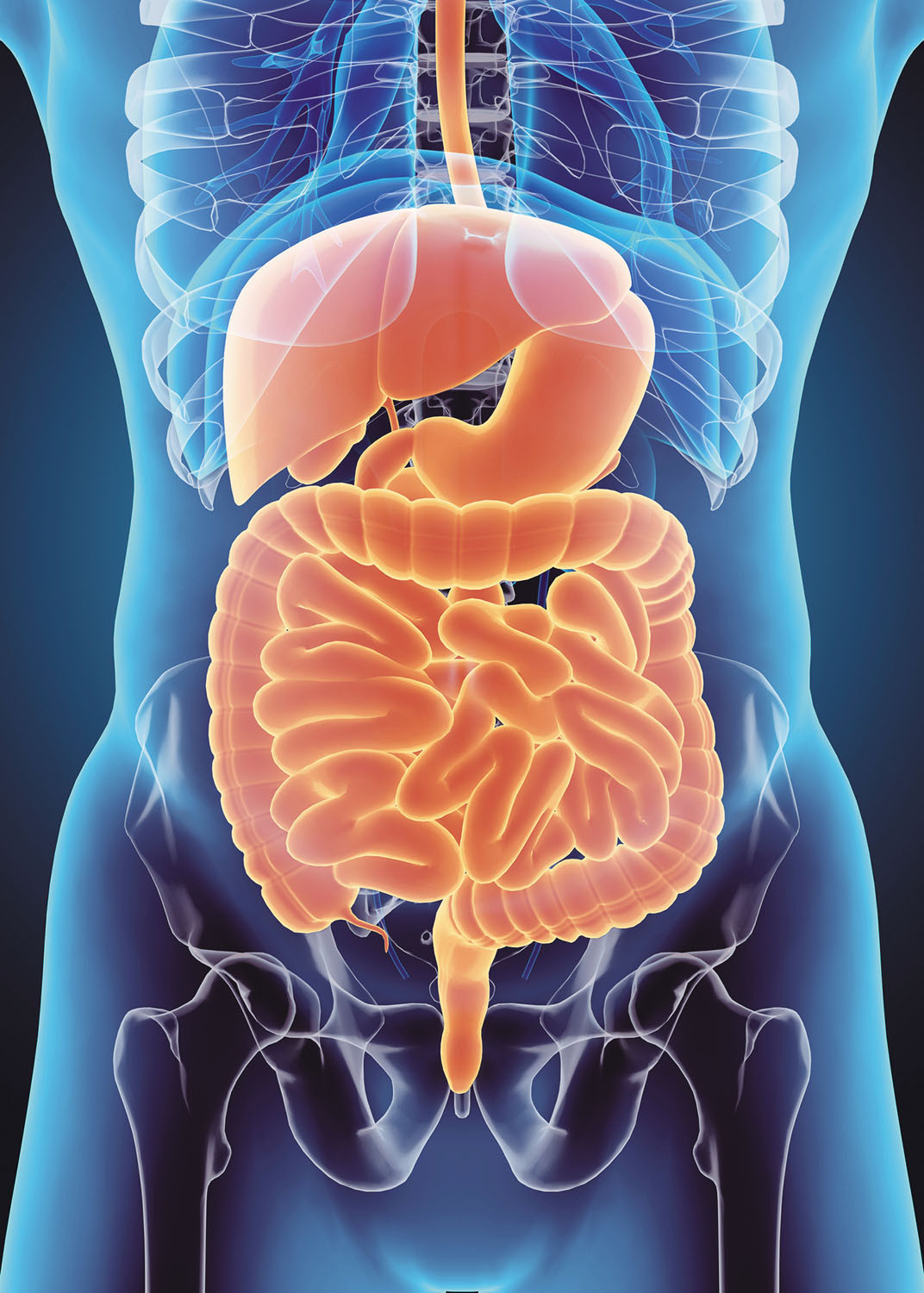
Keep your digestion moving
Over time, everyone's digestive system works less efficiently and people can develop food intolerance or begin taking medications that can affect digestion. These changes can create problems like gas, bloating, cramps, and constipation. By identifying the reasons for the digestive issues, managing them becomes easier and can help keep the entire system running smoothly.



Healthy gut, healthier aging
Keeping the gut microbiome diverse is good for health and may even be tied to healthier aging. To maintain such diversity, it helps to eat a healthy diet that includes lots of fiber, which gut microbes eat. Also, exercise may be helpful to the gut microbiome, since exercise may change the rate at which material moves through the intestines. Other ways to promote a healthy gut microbiome including getting a dog, which exposes us to more microbes; quitting smoking, which relieves stress on gut microbes; and maybe eating more probiotic-rich foods, which may boost beneficial bacteria in the gut.
Is cheese a healthy source of probiotics?
Some types of cheese, including Swiss and Gouda, are a good source of probiotics, but eat cheese in moderation.

Lessons learned from COVID
While the COVID pandemic changed how many people approached their health, the experience offers a teachable moment about how people can maintain new and improved healthy habits. Four areas that were most affected by COVID and enabled people to create positive changes are exercise, diet, medical check-ups, and social connections.

The fountain of youth
Adults who stay well hydrated appear to be healthier, develop fewer chronic conditions (such as heart and lung disease), and live longer than those who take in less fluid. Still, many older adults have trouble drinking enough water during the day. Adopting strategies like keeping water bottles close by, drinking with every meal, and eating more water-rich foods can help them meet their daily recommended amounts.

Can mouth taping help my snoring?
Despite social media claims, mouth taping while sleeping can prove risky, leading to hampered breathing, disrupted sleep, or skin irritation. People who can't breathe through their nose when sleeping should see their doctor to evaluate the problem.

Protect your skin from serious burns
There's no time to lose when someone suffers a burn. For a minor burn on a small area of skin, run cool water over it for 20 minutes to help limit damage, and then apply petroleum jelly or antibiotic cream and cover the burn with a bandage. If a blister develops, dab antibacterial cream on it, cover it with a bandage, and get to a doctor as soon as possible. Second-degree burns that are large or involve the face, hands, feet, or genitals, and all third-degree burns, warrant a call to 911.
Naturally gluten-free foods
Harvard study: Healthier fats linked to longer life after prostate cancer diagnosis
Shingrix shingles vaccine linked with lower heart disease risks
Estrogen-only hormone therapy tied to lower dementia risk
Should you have a hysterectomy?
Stair climbing may significantly lower cardiovascular risks
Why do I sweat so much?
Walking pneumonia: The "mild" illness that can still pack a punch
What causes knee pain: How doctors make a diagnosis
Where you carry excess weight matters in predicting heart disease risk
Free Healthbeat Signup
Get the latest in health news delivered to your inbox!
Sign Up
