

Fatty liver disease: Should you be tested?

Even a little exercise linked with lower stroke risk in people with afib

Testosterone therapy without evidence of deficiency may boost heart risk

Weight-loss drug may lower risk of heart attacks and infections

Migraine: How it's diagnosed and what that means

Tricep workouts you can do at home

Mindfulness practices to reduce stress and improve focus

Antihistamines may not offer meaningful relief from eczema symptoms

Overweight and taking blood pressure medications: Study finds it's a trend that's working

FDA approves first mRNA-based flu vaccine
Cholesterol and lipids Archive
Articles
Salt substitute associated with lower rates of stroke, death
A large study published online Aug. 29, 2021, by The New England Journal of Medicine found that people who used a salt substitute on their food had a lower risk of stroke, heart attack, and early death, compared with people who used regular salt.

Tips to help you stay on your cholesterol drug
Many people who start a cholesterol drug wind up discontinuing its use. That's because statins, a common type of medication that lowers cholesterol, have both real and perceived side effects, such as muscle aches. To stay on a statin, one can ease into use with a low-dose or an alternate-day dose strategy, consider if other medications or circumstances are to blame for discomfort, try gentle stretching, take coenzyme Q10, or replenish low vitamin D levels. Another strategy is to take a non-statin drug that lowers cholesterol.

Meal of the month: Healthy meals for 2022

How a sugary diet may sabotage your heart health
Reducing added sugar in sweetened beverages and packaged foods may help reduce obesity, diabetes, and heart disease in the United States, which could lead to substantial health care cost savings. Most of the added sugar in the typical American diet comes from sugary beverages, which add extra calories that have no nutritional advantages and may contribute to weight gain. Replacing sugar with artificial or non-nutritive sweeteners is one popular option, but it's not clear that eating such products offers any health advantages. A better option would be to substitute fresh, whole foods such as fruit for processed junk food and to drink sparkling water with a splash of juice instead of a soda.

Heart-safer NSAID alternatives
Common pain relievers known as nonsteroidal anti-inflammatory drugs (NSAIDs) carry an added risk of heart problems. Use only what you need and for only as long as you need it. Men with heart problems should be extra cautious.

How can I tell if my statin is working?
Statin therapy can help lower the risk of developing new plaques in the arteries and having a heart attack, although the effect may not show up on coronary artery calcium scans that measure the amount of calcium in the walls of the heart's arteries.

Measuring ejection fraction
Ejection fraction is the fraction of the blood that the heart "ejects" out to the rest of the body each time it contracts. A normal ejection fraction is about 55% to 70%. Levels below 40% indicate reduced ejection fraction and may result in heart failure symptoms.
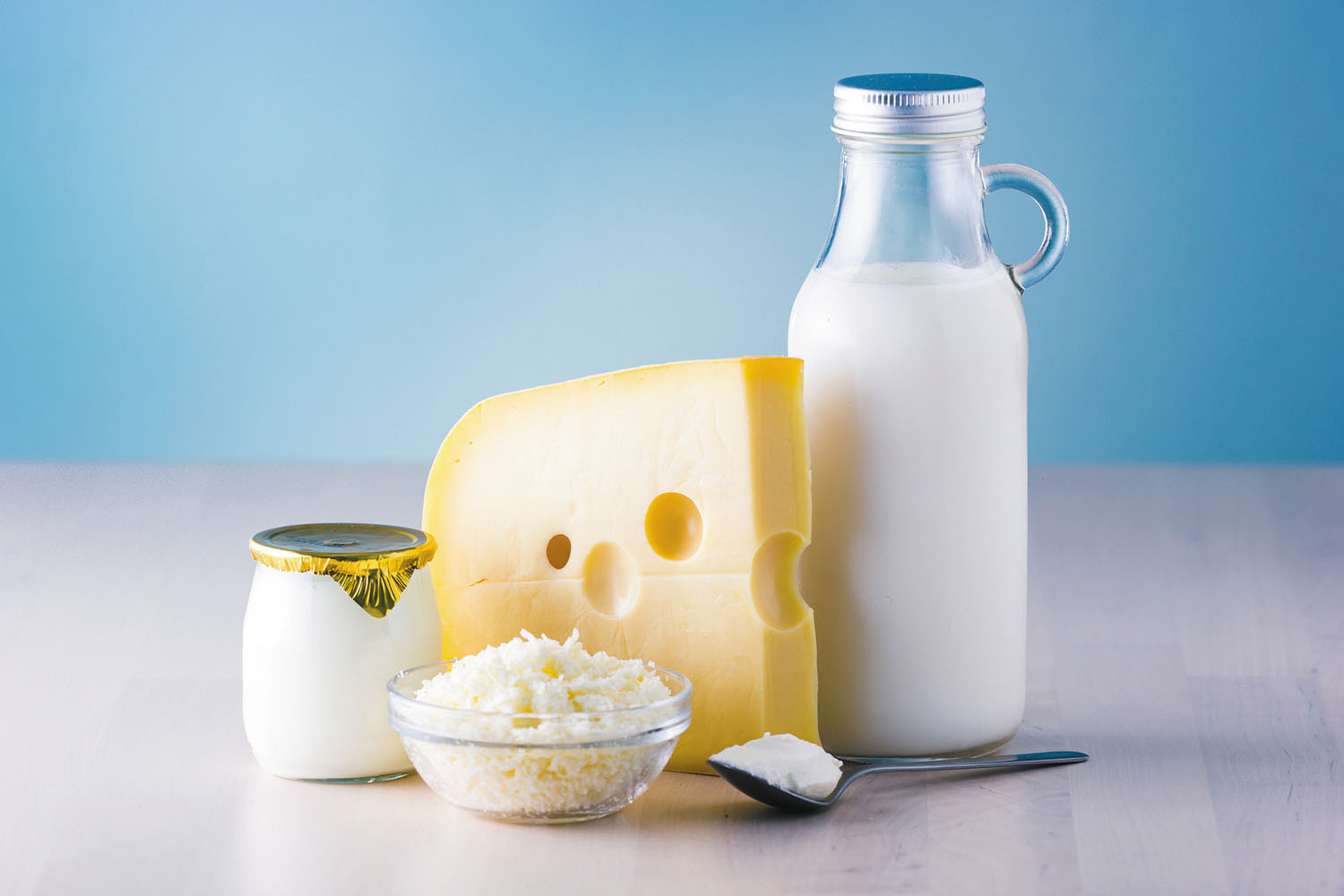
Less heart disease in people with a dairy-rich diet?

Over-the-counter drugs that can boost blood pressure
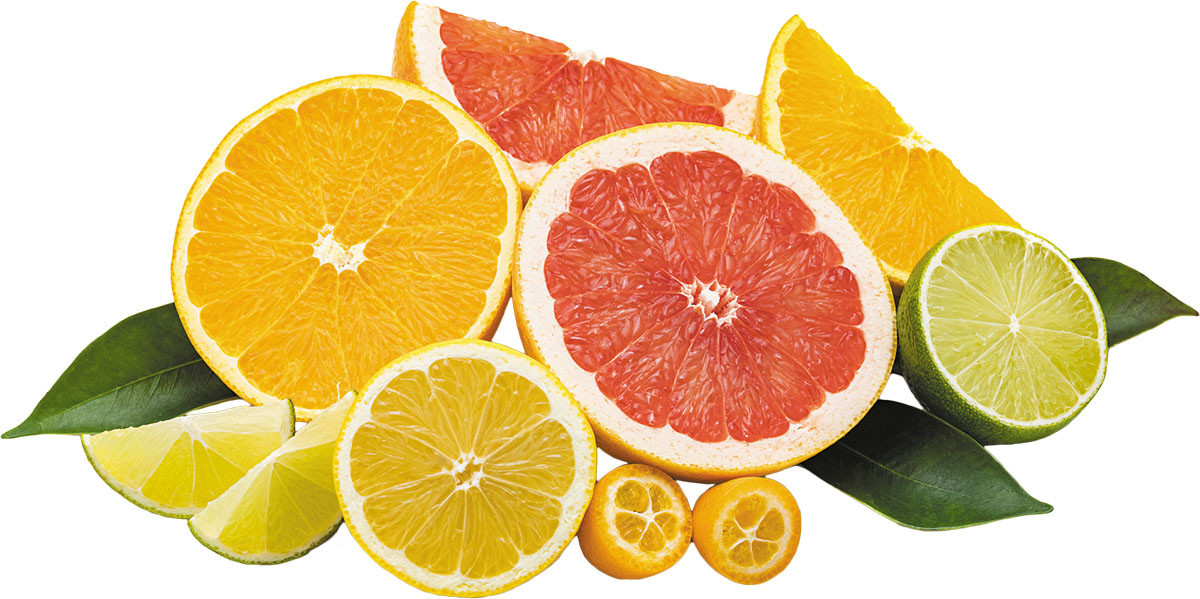
Fruit of the month: Citrus fruits
Fatty liver disease: Should you be tested?
Even a little exercise linked with lower stroke risk in people with afib
Testosterone therapy without evidence of deficiency may boost heart risk
Weight-loss drug may lower risk of heart attacks and infections
Migraine: How it's diagnosed and what that means
Tricep workouts you can do at home
Mindfulness practices to reduce stress and improve focus
Antihistamines may not offer meaningful relief from eczema symptoms
Overweight and taking blood pressure medications: Study finds it's a trend that's working
FDA approves first mRNA-based flu vaccine
Free Healthbeat Signup
Get the latest in health news delivered to your inbox!
Sign Up
