Even a little exercise linked with lower stroke risk in people with afib

Testosterone therapy without evidence of deficiency may boost heart risk

Weight-loss drug may lower risk of heart attacks and infections

What to eat on the DASH diet

Migraine: How it's diagnosed and what that means

Tricep workouts you can do at home

Mindfulness practices to reduce stress and improve focus

Antihistamines may not offer meaningful relief from eczema symptoms

Overweight and taking blood pressure medications: Study finds it's a trend that's working

FDA approves first mRNA-based flu vaccine
Cholesterol and lipids Archive
Articles

Different types of heart murmurs
Ask the doctor
Q. My 2-year-old grandson has a heart murmur. His pediatrician says it's likely nothing serious and will probably disappear when he's older. What causes heart murmurs in children? Are they different than those found in adults?
A. A heart murmur refers to a noise heard through a stethoscope that occurs between the heart's regular beats. Often described as a whooshing sound, murmurs are caused by turbulent blood flow. They can be separated into two categories: functional (also called innocent or benign murmurs) and structural (also known as pathologic murmurs).

High blood pressure at the doctor's office but not at home?
About one in five people has white-coat hypertension, which refers to blood pressure that is high in the doctor's office but normal at home. Doctors don't typically treat this condition with medication, but white-coat hypertension may increase the risk of heart attacks, stroke, and death from heart disease if left untreated. People who take blood pressure medications and still experience a blood pressure rise at the doctor's office (what's known as white-coat effect) do not appear to face higher risk of heart disease. Lifestyle changes that can help all people with high blood pressure include losing weight, exercising regularly, limiting salt, and quitting smoking.

When very high cholesterol runs in the family
Ongoing efforts seek to better identify and treat familial hypercholesterolemia, a leading cause of early heart attacks.
Some 35 million Americans have cholesterol values that put them at high risk for heart disease. The vast majority likely have dozens of different genetic mutations, each of which raises cholesterol by a little bit. Coupled with an unhealthy diet and not enough exercise, cholesterol creeps up slowly over time in these people.
But a small minority — about one of every 250 adults — have a genetic condition called familial hypercholesterolemia (FH). Most have a mutation in one of three key genes that provide instructions that help remove excess "bad" LDL cholesterol from the bloodstream. When one of these genes doesn't operate properly, LDL cholesterol levels can skyrocket as high as 350 milligrams per deciliter (mg/dL) — more than three times higher than the desirable level of less than 100 mg/dL. Their total cholesterol levels (which includes LDL cholesterol plus other lipids) may reach 500 mg/dL or higher.

The best beverages for your heart
Sweet drinks go down easy, but they may be hard on your heart. Aside from plain water, the healthiest choices are unsweetened tea, coffee, and flavored waters.
When you want to quench your thirst with something a little more exciting than plain old water, there are a dizzying array of choices these days. However, many of the beverages in supermarkets and convenience store aisles are loaded with added sugar. Even many of those that sound healthy (such as 100% fruit juice and vitamin-enhanced water) contain as much sugar as regular sodas.
Yes, the sugar in fruit juice is naturally occurring, as opposed to the processed sugar (usually high-fructose corn syrup) found in many carbonated and noncarbonated drinks such as sodas, vitamin water, and the like. But people should still be mindful about consuming too much fruit juice, says Vasanti Malik, a nutrition researcher at the Harvard T.H. Chan School of Public Health.

Did you get your flu shot yet?
A nasty bout of influenza may leave you more vulnerable to heart problems. Be sure to get vaccinated against this serious infection every year — ideally in September.
Of all the things you can do to help your heart, getting a flu vaccine may be one of easiest. This recommended ritual — which the CDC advises for everyone starting at the age of 6 months — is quick and nearly painless. Yet only about half of adults ages 50 and older get a flu shot.
Avoiding the flu is especially important for people who have or are at risk for heart disease, says cardiologist Dr. Scott Solomon, professor of medicine at Harvard Medical School. "There's growing evidence linking influenza with both heart attacks and heart failure," he says.

Legume of the month: Soybeans
Unlike many other common bean varieties, soybeans don't usually show up in canned or dried forms on super-market shelves. But other versions of this versatile legume can be found in many sections of well-stocked stores.
In the freezer section, for example, you can find packaged green soybeans, usually still in their pods (pictured above). Called edamame — a Japanese word meaning "stem beans" — they're commonly served as an appetizer in Asian restaurants. Squeeze the pods to pop out the bright green beans, which are good source of fiber and several vitamins, most notably B9 (folate) and K. Soybeans are a complete protein, meaning they contain all nine essential amino acids.

Ultra-processed foods linked to poor heart health
Research we're watching
Eating ultra-processed foods — such as packaged snacks, sugary cereals and drinks, chicken nuggets, and instant soup — may leave people more prone to heart disease and an early death, two new studies suggest. Both were published May 29 in The BMJ.
One study followed more than 105,000 adults for just over five years. Researchers found that for every 10% increase in the amount of ultra-processed foods people ate, their risk of a heart attack, stroke, or other serious cardiovascular event was 12% higher. The other study tracked nearly 20,000 people over an average of 10 years. People who ate more than four servings of ultra-processed foods daily had a 62% higher risk of dying from all causes compared with those who ate only two servings per day.
Farewell to fasting before a cholesterol test?
Research we're watching
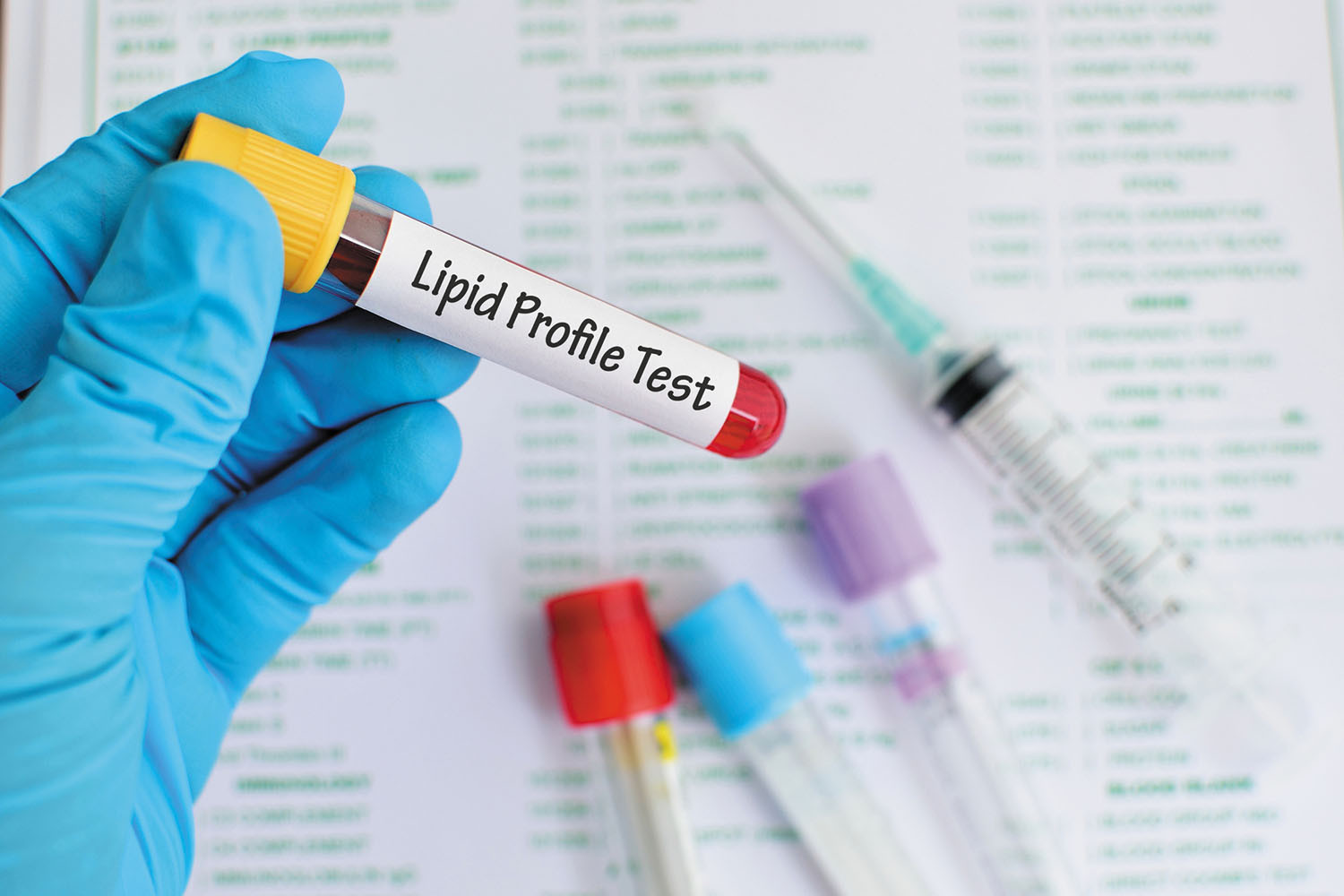
Don't want to skip breakfast before your cholesterol test? You probably don't need to. A study published online May 28 by JAMA Internal Medicine adds to the evidence that fasting isn't necessary before this common blood test, often referred to as a lipid profile.
For the study, nearly 8,300 people at risk for heart disease had fasting and nonfasting lipid profile tests done at least four weeks apart. (Fasting means they had nothing to eat or drink except water for at least eight hours before the test.) The differences in their total, LDL, and HDL cholesterol values were negligible. Triglyceride levels were modestly higher in the nonfasting samples.

Urinary tract infections: A possible trigger for stroke
Research we're watching
Infections — especially those in the urinary tract, known as UTIs — may raise the risk of a stroke, a new study finds.
Researchers examined the electronic medical records of more than 191,000 stroke patients to see if they'd been hospitalized or gone to an emergency room for an infection shortly before the stroke. They tracked infections of the abdomen, blood, respiratory tract, skin, or urinary tract.

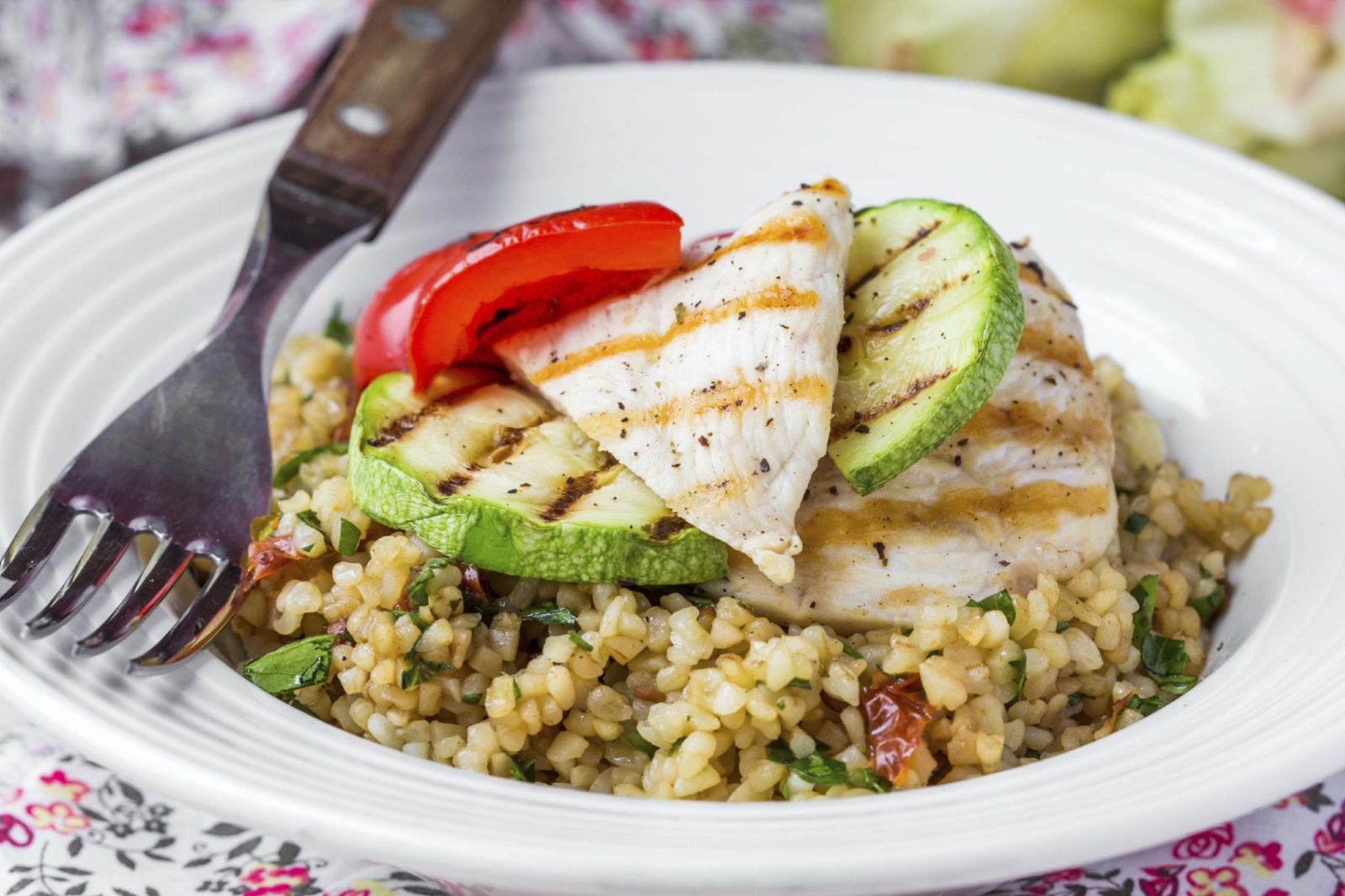
White meat raises “bad” cholesterol levels just like red meat
In the journals
Eating large amounts of red meat can raise LDL (bad) cholesterol levels, but new research suggests you should curb your intake of white meat, too. The findings were published online June 4, 2019, by The American Journal of Clinical Nutrition.
Researchers randomly assigned 113 healthy adults, ages 21 to 65, to follow a four-week diet with high levels of either red meat, white meat (chicken and turkey), or plant-based protein (such as nuts, whole grains, soy products, and legumes). Afterward, LDL levels in the high-red-meat diet group rose, as predicted, but the researchers found that high levels of poultry had the same effect on LDL levels as red meat.
Even a little exercise linked with lower stroke risk in people with afib
Testosterone therapy without evidence of deficiency may boost heart risk
Weight-loss drug may lower risk of heart attacks and infections
What to eat on the DASH diet
Migraine: How it's diagnosed and what that means
Tricep workouts you can do at home
Mindfulness practices to reduce stress and improve focus
Antihistamines may not offer meaningful relief from eczema symptoms
Overweight and taking blood pressure medications: Study finds it's a trend that's working
FDA approves first mRNA-based flu vaccine
Free Healthbeat Signup
Get the latest in health news delivered to your inbox!
Sign Up