

Even a little exercise linked with lower stroke risk in people with afib

Testosterone therapy without evidence of deficiency may boost heart risk

Weight-loss drug may lower risk of heart attacks and infections

What to eat on the DASH diet

Migraine: How it's diagnosed and what that means

Tricep workouts you can do at home

Mindfulness practices to reduce stress and improve focus

Antihistamines may not offer meaningful relief from eczema symptoms

Overweight and taking blood pressure medications: Study finds it's a trend that's working

FDA approves first mRNA-based flu vaccine
Cholesterol and lipids Archive
Articles

Regular tea drinking linked to better heart health
Research we're watching
Sipping a cup of tea at least every other day or so may be good for your heart, according to a study published online January 9 by the European Journal of Preventive Cardiology.
The study included data from more than 100,000 Chinese adults who were part of a long-term health study. The participants provided health and behavioral information, including how much tea they drank. The follow-up lasted an average of seven years.

Take control of rising cholesterol at menopause
Here's what the numbers mean — and strategies to lower your cholesterol if it's too high.
For some women who've had normal cholesterol readings all their lives, that changes at menopause. "Going through menopause often results in lipid and cholesterol changes for the worse," says Dr. Samia Mora, an associate professor of medicine at Harvard Medical School and a specialist in cardiovascular medicine the Brigham and Women's Hospital. Drops in the female hormone, estrogen, are associated with a rise in total cholesterol levels due to higher amounts of low-density lipoprotein (LDL), the "bad" cholesterol, and another blood lipid (fat) known as triglyceride. Over time this can raise heart risks, which is a reason for concern, as cardiovascular disease is the No. 1 cause of death in postmenopausal women, says Dr. Mora.
"So, it's especially important to track the numbers in perimenopause and the early years after menopause, as LDL cholesterol and total cholesterol tend to increase," she says.
Taking heart medications? Don’t forgo healthy habits
Research we're watching
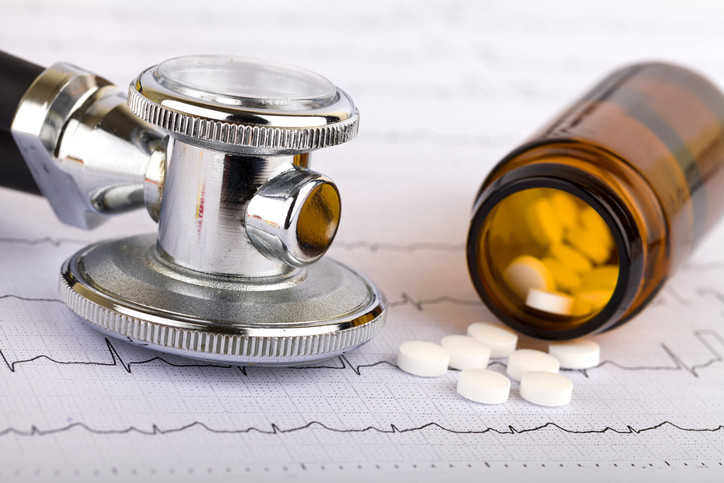
People may let healthy eating and exercise habits slide after starting prescription heart medications, according to a study in the February 18 Journal of the American Heart Association.
The study involved more than 40,000 Finnish people whose average age was 52. From 2000 to 2013, researchers surveyed them at least twice every four years about their body mass index and their exercise, smoking, and drinking habits. They used pharmacy records to track if the participants began taking blood pressure drugs or statins.

How accurate are wearable heart rate monitors?
Research we're watching
Smart watches and wrist-worn fitness trackers that estimate your heart rate appear to be reliable in people with a range of different skin tones. But their accuracy may vary during different types of everyday activities, a new study finds.
Researchers recruited 53 people with different skin tones to test six different devices, which work by measuring changes in blood flow through the skin using a special sensor. The volunteers also wore electrocardiogram patches (which provide a gold-standard heart rate measurement) while they did different activities: sitting still, breathing deeply, walking, and typing.

5 ways to prevent a heart attack
These are the most effective ways to protect yourself.
Here are some alarming statistics about heart attacks:
- Every 40 seconds, someone in the United States has a heart attack.
- Every year, about 805,000 Americans have heart attacks, 75% of which are first-time attacks.
- The average age of a first heart attack among men: 65.
However, the most troubling fact about heart attacks is that many people don't take steps to protect themselves, says Dr. Deepak L. Bhatt, executive director of interventional cardiovascular programs at Harvard-affiliated Brigham and Women's Hospital Heart & Vascular Center. "Reducing your risk of cardiovascular disease is the best way to guard against heart attacks," he says. "There are simple ways to do this, but unfortunately, many people still don't follow them as they should."
Here's a look at five ways you can protect yourself from cardiovascular disease, and thus possible heart attacks, and avoid being another statistic.

Reducing alcohol intake lowers risk of irregular heartbeats
In the journals
Moderate and heavy drinkers with atrial fibrillation (afib), a quivering or irregular heartbeat, can reduce their episodes by cutting out most alcohol, says a study published Jan. 2, 2020, in The New England Journal of Medicine.
Afib symptoms include weakness, shortness of breath, and palpitations, and alcohol is often cited as a common trigger. Afib is important not only because of the symptoms it may cause but it also increases your risk of stroke.

What does an enlarged atrium mean?
Ask the doctor
Q. I recently had an echocardiogram because my doctor heard a murmur, and I was told that my heart valves and heart function were both normal. But when I looked at the report, it indicated that I had an enlarged left atrium. What does that mean?
A. The left atrium is one of your heart's four chambers. Located in the upper half of the heart on the left side of your body, it receives freshly oxygenated blood from your lungs. This blood then surges down through the mitral valve into the left ventricle (the lower left chamber of the heart). Then, the blood travels up through the aortic valve and finally out to supply the body with oxygen.

Can stronger muscles pump up your heart health?
Strength training may be just as good as aerobic activity for reducing cardiovascular risk.
Any type of movement that makes your heart work harder than usual — brisk walking, dancing, or cycling — will benefit your heart health. But many people don't realize that targeted exercises to strengthen muscles throughout your body may also help stave off heart disease.
"In the past, strong muscles were considered beneficial mainly from a functional standpoint — that is, they make tasks such as carrying groceries and doing laundry easier," says Dr. I-Min Lee, a professor of medicine at Harvard Medical School who studies the role of physical activity in disease prevention. Those perks are particularly important as people age.

Understanding sudden cardiac arrest
Heart attacks are responsible for most cases of cardiac arrest. Know the warning signs—and what to if you witness a cardiac arrest.
Recently, a Harvard Heart Letter reader sent us an email asking about sudden cardiac arrest. This much-feared event occurs when the heart abruptly and unexpectedly stops beating. Each year, nearly 380,000 people in the United States experience cardiac arrest, and only about 10% survive.
"What are the causes and contributing factors? Are there early symptoms before the arrest occurs? And can it occur in a seemingly healthy middle-aged person?" she asked. Sudden cardiac arrest remains challenging to both predict and prevent. But there are definitely ways to lower your risk — and things that everyone should know (see "Recognize and react to sudden cardiac arrest").

Heart tests before surgery: When are they necessary?
Most people don't need an electrocardiogram before a minor, low-risk procedure. Major surgery is different.
If you've ever had surgery, you may recall having a preoperative evaluation, sometimes referred to as "clearance" for surgery. These check-ups often occur days or weeks prior to a planned, non-cardiac surgery and typically involve a physical exam. You also may get blood tests, x-rays, and an electrocardiogram (ECG) — a quick, painless test that records your heart's electrical activity.
"These evaluations are designed to assess your chances of experiencing a heart-related problem during the surgery," says Dr. Brendan Everett, director of the general cardiology inpatient service at Harvard-affiliated Brigham and Women's Hospital. The term "clearance" is misleading, as there is no way to guarantee you won't have complications. Still, knowing ahead of time about any heart-related risks you may have enables the surgeon to better prepare for possible complications and have a backup plan available, says Dr. Everett.
Even a little exercise linked with lower stroke risk in people with afib
Testosterone therapy without evidence of deficiency may boost heart risk
Weight-loss drug may lower risk of heart attacks and infections
What to eat on the DASH diet
Migraine: How it's diagnosed and what that means
Tricep workouts you can do at home
Mindfulness practices to reduce stress and improve focus
Antihistamines may not offer meaningful relief from eczema symptoms
Overweight and taking blood pressure medications: Study finds it's a trend that's working
FDA approves first mRNA-based flu vaccine
Free Healthbeat Signup
Get the latest in health news delivered to your inbox!
Sign Up
