

Healing after food poisoning

What is tempeh? Benefits, nutrition, and how to use it

Light exposure at night may raise risk for heart disease

Whole grains may improve several heart risk factors at once

A lumbar belt may help ease low back pain

Children of centenarians may stay healthier and live longer too, study finds

Signs of pneumonia: Sometimes vague and unexpected

The surprising link between ovarian cancer and the fallopian tubes

Using a vibration plate: What it can — and can't — do for your body

People who walk more or walk faster live longer, study finds
Bowel problems
- Reviewed by Lawrence S. Friedman, MD, Contributor; Editorial Advisory Board Member, Harvard Health Publishing
Everyone deals with the occasional bowel problem such as diarrhea or constipation. These are unpleasant conditions that usually go away on their own after a few days, or with the help of over-the-counter medications and lifestyle modifications like dietary changes and exercise. But sometimes they can be a sign of a medical or gastrointestinal condition that requires special treatment. Another bowel issue, fecal incontinence (unexpected stool leakage), can drastically affect a person's quality of life.
Understanding what causes common bowel issues can help someone seek appropriate treatment, take measures to prevent future episodes, and better manage them when they occur.
What causes diarrhea?
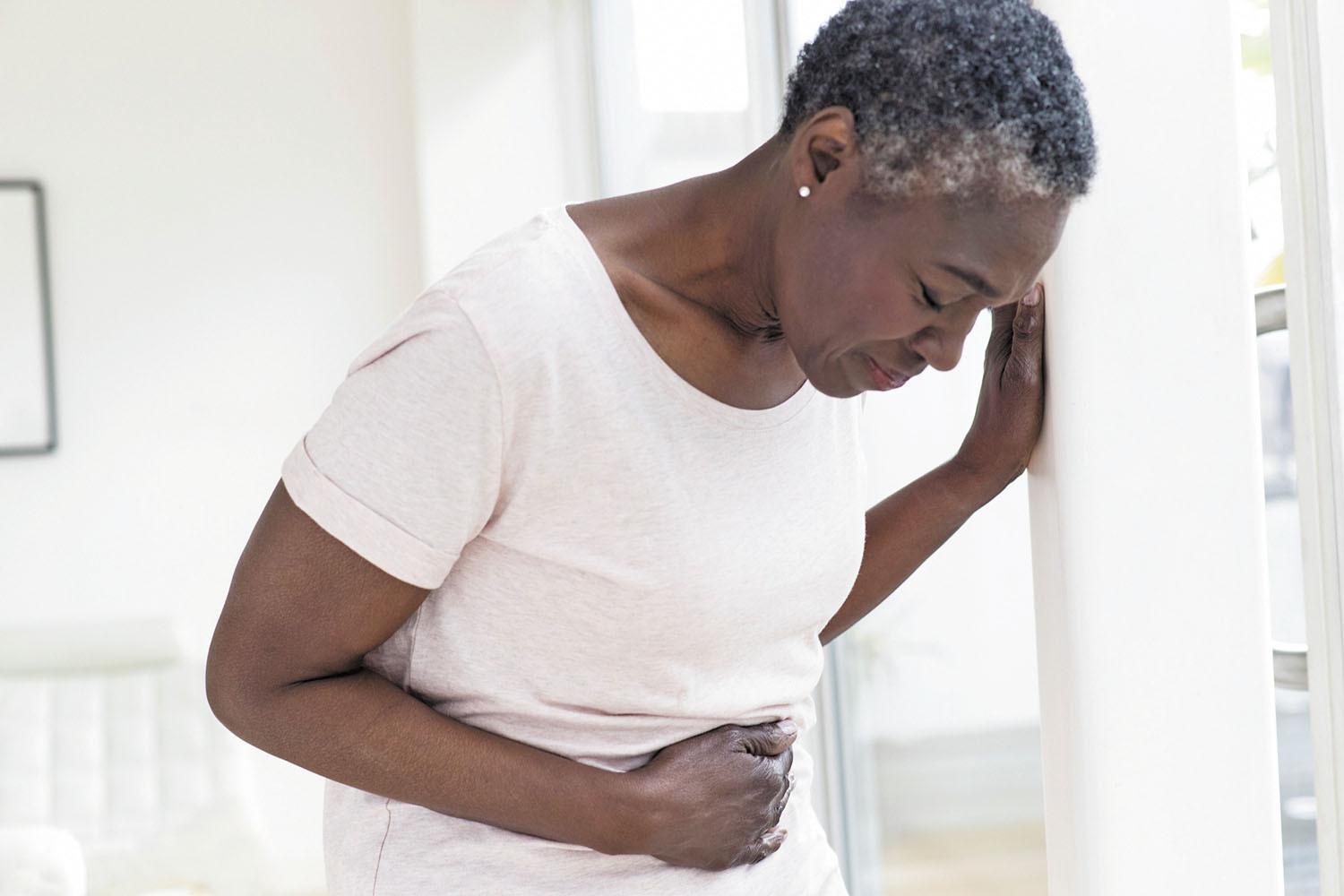
Diarrhea is the body's means to clear out unwelcome intestinal invaders. Trademark symptoms are loose or watery stools and an urgent need to use the bathroom. Other symptoms can include:
- upset stomach, abdominal pain, and cramping
- vomiting
- fever
- fatigue
- chills
- bloody stools
- lack of bowel control.
Diarrhea may be classified as acute (episodes lasting less than two weeks) or chronic (lasting longer that two weeks).
Acute diarrhea can be caused by viruses, bacteria, or parasites.
Viruses. Viruses associated with diarrhea include adenovirus, rotavirus (the most common cause of diarrhea in infants), influenza, and norovirus (the most common cause in adults).
Bacteria. Bacteria like Shigella, Escherichia coli (E. coli), Vibrio cholerae, and Clostridioides difficile (C. diff) produce toxins that cause diarrhea. Salmonella and Campylobacter invade the stomach lining and produce inflammation and diarrhea. Diarrhea caused by food poisoning is usually due to bacterial contamination of food.
Parasites. Intestinal parasites, such as Giardia intestinalis, Cryptosporidium parvum, and roundworms or tapeworms, may cause diarrhea. These parasites are often found in untreated or contaminated water.
Diarrhea also can be triggered by eating certain foods, taking medications, and managing other health conditions.
Sugar. Sugars stimulate the gut to release water and electrolytes, which loosen bowel movements. One of the biggest offenders is fructose, found naturally in fruits (such as peaches, pears, cherries, and apples) or added to foods and drinks such as applesauce, soda, and juice beverages. Another offender: artificial sweeteners such as sorbitol, mannitol, and xylitol (found in sugar-free gum, candy, and medications).
FODMAPs. Fructose, artificial sweeteners, and lactose (found in dairy products) are some of the difficult-to-digest sugars that can cause diarrhea. These are known as FODMAPs (fermentable oligosaccharides, disaccharides, monosaccharides, and polyols). Other sources of FODMAPs include wheat, rye, onions, garlic, legumes (chickpeas, lentils, beans), honey, pistachios, cashews, asparagus, and artichokes.
Dairy. People with lactose intolerance have trouble digesting the milk sugar in dairy products.
Caffeine. Many high-caffeine foods and beverages, such as coffee, tea, chocolate, sodas, and foods flavored with coffee or chocolate, are associated with diarrhea.
Medication. Diarrhea can be a side effect of many medications, such as antibiotics, anti-gout drugs, and magnesium-containing antacids.
Stress. Diarrhea is a common problem in people under severe physical or emotional stress.
Immune deficiency. People with certain diseases or undergoing medical treatments that weaken the immune system may also suffer from diarrhea.
In comparison, chronic diarrhea is often associated with gastrointestinal diseases and conditions such as irritable bowel syndrome, celiac disease (in which people have trouble digesting gluten, a protein in wheat), and Crohn's disease and ulcerative colitis, two forms of inflammatory bowel disease.
What are the best ways to treat diarrhea?
Most episodes of acute diarrhea are short-term and resolve on their own. Symptoms are usually most severe during the first 24 hours. Although some episodes last up to 14 days, most go away within three to seven days.
Home remedies and over-the-counter treatment can help speed up the healing process. Drink plenty of water to prevent dehydration and low-sugar sports drinks to replace electrolytes. (Avoid citrus juices, anything with caffeine, and alcoholic beverages.)
Over-the-counter diarrhea medicine that contains the active ingredients loperamide (Imodium) or bismuth subsalicylate (Pepto-Bismol, Kaopectate) can help reduce the frequency of loose, watery stools, give stools a firmer consistency, and ease cramping. They should be used cautiously in persons with evidence of inflammation (fever, bloody diarrhea), since they may prolong an infection.
To further help with cramps, apply warmth (a hot water bottle, warm compress, or electric heating pad set on low) to your abdomen.
Once the diarrhea has receded, ease back into regular eating. Follow a BRAT (bananas, rice, applesauce, and toast) diet for the first few days. The bananas bind the stool, slowing the movement, while white rice, applesauce, and dry white toast are low in fiber for easier digestion.
If diarrhea continues for longer than two weeks, it's considered chronic diarrhea and you should see your doctor. Diarrhea could be a symptom of conditions such as lactose intolerance (difficulty digesting milk sugar) or celiac disease (trouble digesting gluten in grains like wheat, barley, and rye). Chronic diarrhea also can signal a digestive disorder such as irritable bowel syndrome (IBS) or inflammatory bowel disease (IBD).
What causes constipation?
Constipation is characterized by infrequent bowel movements or the difficult passage of dry, hard stool. It's one of the most common gastrointestinal problems. It affects mostly older people and more women than men.
Symptoms of constipation include:
- fewer than three bowel movements per week
- small, hard, dry stools that are difficult or painful to pass
- the need to strain excessively to have a bowel movement
- a feeling that your rectum is not empty after a bowel movement.
Most of the time, constipation is not related to an illness or digestive disorder. Instead, the problem is caused by diet, lifestyle, medications, or some other factor that hardens the stool or interferes with the stool's ability to pass comfortably. Some common causes of constipation include:
A low-fiber diet. Fiber absorbs water and makes stools larger, softer, and easier to pass. Adults need about 25 to 30 grams of fiber daily, but most American diets contain less than half that amount.
Lack of exercise. Regular exercise is necessary to promote normal muscle contractions in the bowel wall.
Ignoring the urge. Holding in a bowel movement and repeatedly postponing bathroom trips can make people stop feeling the need to go.
Travel. Travel can promote constipation by changing your diet, interfering with the normal timing of your meals, and limiting your access to restrooms.
Laxative overuse. Long-term, regular use of some laxatives can teach your bowel to rely on these medicines for help with bowel movements.
Medications. Constipation is a side effect of many prescription and over-the-counter drugs. These include antacids that contain aluminum, calcium supplements, antidepressants, tranquilizers and sedatives, iron supplements, diuretics, anticholinergics, calcium-channel blockers, anticonvulsants, and opioids.
Irritable bowel syndrome (IBS). Some people with IBS have sluggish bowel movements, straining during bowel movements, and abdominal pain. Constipation may be the predominant symptom, or it may alternate with diarrhea.
Pain around the anus. An anal fissure or hemorrhoids can make bowel movements so painful or uncomfortable that a person resists the urge to defecate. (An anal fissure is a small tear in the skin around the anus, and a hemorrhoid is a bulge from a vein in the anus.)
What are the best ways to treat constipation?
Most people with constipation can diagnose and treat themselves. If you have constipation with rectal bleeding, abdominal pain, or bloating, or your constipation hasn't improved with treatment, contact your doctor. Otherwise, for mild constipation, here are some home remedies and over-the-counter medications and treatments you can try.
Drink more water. Consume six to eight glasses daily, which helps makes stool softer.
Increase fiber. Fiber softens and provides bulk to stool, making it easier to pass. Adults need about 25 to 30 grams of fiber daily. Good sources include whole-grain foods, fruits, vegetables, and high-fiber cereal. Gradually increase your fiber intake, as eating too much too soon can lead to gas, bloating, diarrhea, and stomach cramps. Drinking plenty of water as you increase your fiber intake can help. Over-the-the-counter fiber supplements containing psyllium seed or methylcellulose (Metamucil or Citrucel) are also quite effective. They are consumed as a powder mixed with water or juice, or as capsules and tablets.
Laxatives. Over-the-counter laxatives are safe for occasional use. Saline or carbohydrate-based (osmotic) laxatives help hold water in stool to soften it and increase bowel movements. Examples are magnesium hydroxide (Milk of Magnesia) and polyethylene glycol (MiraLax). Stimulant laxatives that contain senna, cascara, or bisacodyl cause the colon muscles to contract more frequently. Examples are Correctol, Ex-Lax, and Naturalax. Stool softeners, another type of laxative, add moisture to stools to make them softer and easier to pass. Some laxatives can be swallowed, while others are inserted into the rectum as a suppository.
Enemas. Enemas also can relieve constipation and are available at pharmacies. A traditional enema is done with a bag of liquid (usually a mixture of salt and water) attached to a plastic tube with a tapered tip. The enema fluid can be emptied into the rectum after the tip is inserted into the anus. The fluid is emptied when you lift the bag several inches and allow the fluid to move with gravity. An enema loosens stool in the rectum and triggers the rectal muscles to squeeze as a reaction to their being stretched.
Glycerin suppositories. After insertion into the rectum, a glycerin suppository draws water into the intestines, stimulating the reflex to defecate. They can usually produce a bowel movement within an hour. Suppositories with bisacodyl (Dulcolax) are more potent and typically work within 20 minutes.
Occasionally, long-term constipation develops into fecal impaction, where the colon is blocked from a stool mass. In such cases, the fecal mass may need to be removed by the hand of a provider by using a lubricated, gloved finger inserted in the rectum. The rest of the mass can usually be removed with an enema.
What is fecal incontinence?
Fecal incontinence (bowel incontinence) is the unintended passage of stool. People may be unable to hold stool long enough to reach the bathroom. Or they might experience unexpected leakage when they haven't felt any urge.
The condition affects more women, particularly those who have given birth. Fecal incontinence also becomes more common as people age. Symptoms can range from a mild, occasional leakage of liquid stool to a debilitating daily condition.
Fecal incontinence can affect a person's self-confidence and self-image. People with incontinence may limit activities to avoid accidents and embarrassment, and may not tell their friends, families, or doctor.
What causes fecal incontinence and how is it treated?
Various conditions can cause fecal (bowel) incontinence. The most common reason is that the anal sphincter becomes too weak to hold the stool in the rectum. The anal sphincter may weaken from direct damage to the muscle, or from damage to the nerves that cause the muscle to contract normally.
In other cases, the rectum may begin to lose its capacity to store the stool, or the person may not feel that the rectum is full. In addition, a person must be aware of needing to empty the bowel and be mobile enough to reach the bathroom in time.
Diarrhea from any cause worsens incontinence, since it is more difficult to control liquid stool than solid stool.
Treatment depends on the cause of the problem. If fecal incontinence results from diarrhea, fiber supplements that contain psyllium may help you to have firmer stools, which increase the sensation of rectal fullness. Over-the-counter diarrhea medicine that contains the active ingredients loperamide (Imodium) or bismuth subsalicylate (Pepto-Bismol, Kaopectate) are other options for treating diarrhea.
If the condition results from leakage around impacted stool, the hardened stool can be removed by hand or with enemas. Emptying the rectum completely each morning (sometimes with a glycerin suppository or an enema) may help, since there will be less stool to leak out during the day.
Pelvic muscle exercises (Kegel exercises) are sometimes helpful. You need to practice contracting your sphincter at least three times a day. You must also contract your anal muscles whenever you feel fullness in the rectum.
Some people with chronic fecal incontinence benefit from biofeedback, a mind-body therapy that teaches people how to control the body's functions. Working with a biofeedback therapist, people can learn to coordinate the sphincter muscle contraction with the fullness that occurs when stool is in the rectum.
When conservative treatments fail, the next option may be a surgical procedure called sphincteroplasty to repair the anal sphincter muscle. Sphincteroplasty is effective only if there has been major damage to the muscle from childbirth, trauma, or previous surgery. It doesn't help if the sphincter muscle is weak from nerve damage or aging.
Healing after food poisoning
What is tempeh? Benefits, nutrition, and how to use it
Light exposure at night may raise risk for heart disease
Whole grains may improve several heart risk factors at once
A lumbar belt may help ease low back pain
Children of centenarians may stay healthier and live longer too, study finds
Signs of pneumonia: Sometimes vague and unexpected
The surprising link between ovarian cancer and the fallopian tubes
Using a vibration plate: What it can — and can't — do for your body
People who walk more or walk faster live longer, study finds
Free Healthbeat Signup
Get the latest in health news delivered to your inbox!
Sign Up
