










What is neurodermatitis and how is it treated?
Ask the expert
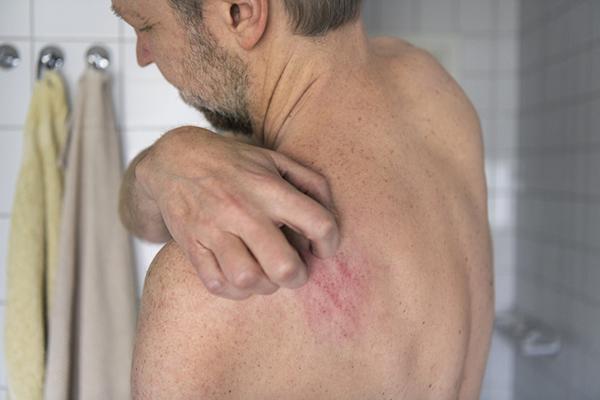
Q. I have been suffering from a skin rash in the same spot for many years. A large patch of my skin constantly itches, and the skin is thick and feels like leather. I have gone through almost every ointment on the market, and none works. I went to a new doctor and he said that my rash was neurodermatitis, and the best treatment would be an antidepressant to stop the scratching. I am a little skeptical. Have you ever heard of using a mood-altering medication to treat a skin rash?
A. Neurodermatitis, or lichen simplex chronicus, is a chronic skin condition characterized by intense itching. Scratching the itch irritates nerve endings in the skin, resulting in more itching and more scratching. An "itch-scratch-itch" cycle sets in, and it is tough to break.
Anything that causes itching can start this cycle — an insect bite, an itchy scar, or a reaction to a skin product. Stress or habit can also start the cycle: unconsciously scratching your leg while studying, scratching your arm when you're nervous, or scratching as a chronic habit. But whatever the precipitating cause, continued scratching results in itchy, thickened, discolored skin.
Neurodermatitis is frequently seen on the arms or legs, but can occur on any area that can be reached. Once the skin is irritated and thickened, itching is intense. Scratching feels good and is hard to resist. It is usually worse at bedtime, when there are few distractions. The constant itching can result in anxiety, and scratching can result in skin erosion and infection.
To treat neurodermatitis, it is necessary to break the itch-scratch-itch cycle. Here are some tips:
- Use a mild, unscented soap for bathing.
- Avoid any perfumed products.
- Try soothing lotions and ice packs to relieve itching.
If itching persists, your doctor may want to evaluate you for underlying factors or conditions that may be contributing to the itching. Sometimes a skin biopsy is needed to confirm the condition. Also, allergy testing may be recommended.
Topical steroid creams and ointments prescribed by your physician can reduce itching and redness. But these alone will not be sufficient if scratching continues. Oral medications that can be helpful include antihistamines and certain low-dose antidepressant medications, such as doxepin.
Constant scratching can allow bacteria or other germs to get into the skin, causing a skin infection. If this occurs, your doctor will prescribe a topical or oral antibiotic.
Neurodermatitis is not a simple skin condition. It may have started with an itch, but it may feel impossible to stop scratching it, potentially causing or adding to any stress or anxiety. Because of these associated factors, you might consider counseling, stress reducing techniques, and possibly medication to help with anxiety or depression.
Image: © Johner Images/Getty Images
Disclaimer:
As a service to our readers, Harvard Health Publishing provides access to our library of archived content. Please note the date of last review or update on all articles.
No content on this site, regardless of date, should ever be used as a substitute for direct medical advice from your doctor or other qualified clinician.


