








Should I do more for my heart health if I already eat well and exercise?
Ask the doctor
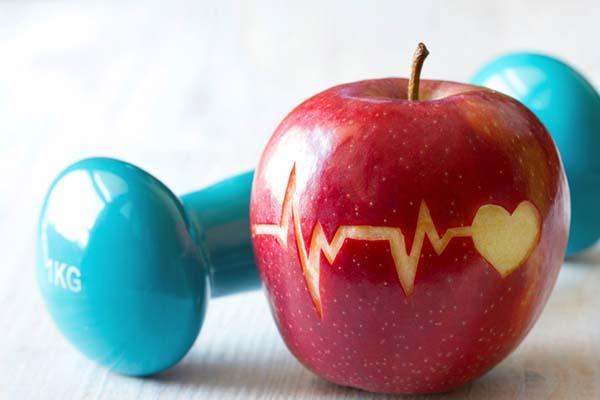
Q. I am a 52 year-old man with a family history of heart disease. My doctor says my blood pressure is great. My latest LDL cholesterol was 98 and my HDL was 45. I exercise regularly and I try hard to stick to a Mediterranean-type diet. Is there anything else I should do?
A. Congratulations! You've already covered the primary lifestyle approaches to a healthy heart (assuming that you don't smoke!).
From your question, I assume you have no worrisome symptoms when you exercise, such as chest pain, feeling more short of breath than usual, breaking out in a cold sweat, or getting dizzy. If confirmed you don’t have these symptoms, it sounds like you are the type of person who is willing to take things to the next level. Here are some ideas:
First, start with increasing your duration and intensity of exercise.
Per basic recommendations, we should all get a minimum of 150 minutes of moderate intensity physical activity per week (not all at once). But most experts suggest you get 45 to 60 minutes most days of the week to promote heart health.
For someone like you, I'd add a mix of these activities into your workout routine:
- endurance aerobics
- interval training with short bursts of high-intensity exercise
- resistance training using machines and/or free weights.
Regarding your diet: a Mediterranean-style diet is a perfect place to start. Get at least five servings of fruits and vegetables a day. Or aim higher — for example, eight to 10 servings a day. Don't eat too much red meat. It's best to eat fish, especially those rich in the omega fats. And if you do drink alcohol, a glass or two of red wine per day might be the best choice.
Since your blood pressure is normal, you don't have to cut down on salt. But there is no downside to watching how much you take in.
I recommend two additional tests for patients with a similar family history as yours: a blood test for Lp(a), which is short for lipoprotein (a), and a coronary artery calcium (CAC) score done with a fast, low-dose radiation CT scan of the heart.
The American Heart Association now recommends that adults get a one-time Lp(a) blood test. Our Lp(a) level is genetically determined and not influenced by diet or exercise. A high Lp(a) level reflects an elevated heart disease risk. The CAC test can tell if a person has fatty plaque buildup in the arteries that supply oxygen and nutrients to our heart.
If either of those tests are abnormal, your goal LDL cholesterol should be under 70 mg/dL. Some cardiologists would even suggest trying to lower your LDL to less than 55 mg/dL. To attain a lower LDL level, your doctor would likely recommend starting a statin drug.
Image: © udra/Getty Images
About the Author
Howard E. LeWine, MD, Chief Medical Editor, Harvard Health Publishing; Editorial Advisory Board Member, Harvard Health Publishing
Disclaimer:
As a service to our readers, Harvard Health Publishing provides access to our library of archived content. Please note the date of last review or update on all articles.
No content on this site, regardless of date, should ever be used as a substitute for direct medical advice from your doctor or other qualified clinician.

