

Healing after food poisoning

What is tempeh? Benefits, nutrition, and how to use it

Light exposure at night may raise risk for heart disease

Whole grains may improve several heart risk factors at once

A lumbar belt may help ease low back pain

Children of centenarians may stay healthier and live longer too, study finds

Signs of pneumonia: Sometimes vague and unexpected

The surprising link between ovarian cancer and the fallopian tubes

Using a vibration plate: What it can — and can't — do for your body

People who walk more or walk faster live longer, study finds
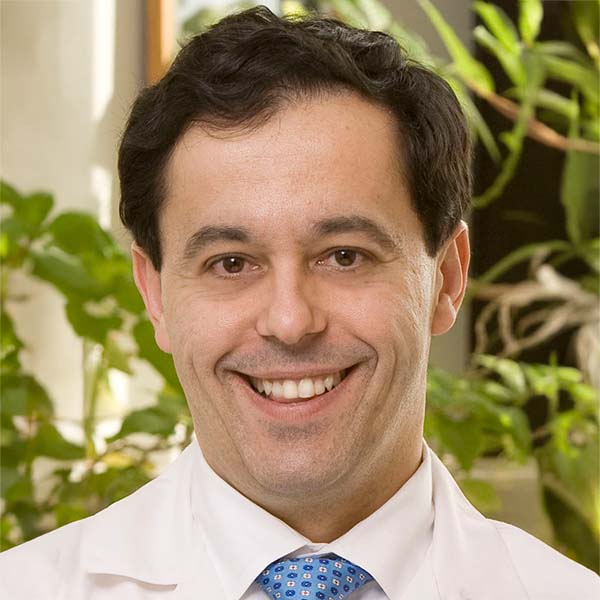
Nicholas Tritos, MD
Contributor
Dr. Nicholas Tritos serves as professor of clinical medicine at Harvard Medical School and physician at the Neuroendocrine Unit at Massachusetts General Hospital in Boston, where he has been seeing patients and conducting clinical research focused on pituitary disorders. He has served on several national and international committees in professional organizations, including the Endocrine Society, the American Association of Clinical Endocrinologists, and the Pituitary Society. He has authored over 160 peer-reviewed publications and 30 book chapters. He serves as associate editor and editorial board member for several professional journals and is the recipient of several awards.
Healing after food poisoning
What is tempeh? Benefits, nutrition, and how to use it
Light exposure at night may raise risk for heart disease
Whole grains may improve several heart risk factors at once
A lumbar belt may help ease low back pain
Children of centenarians may stay healthier and live longer too, study finds
Signs of pneumonia: Sometimes vague and unexpected
The surprising link between ovarian cancer and the fallopian tubes
Using a vibration plate: What it can — and can't — do for your body
People who walk more or walk faster live longer, study finds

