Ministrokes linked to elevated risk of dementia

Continuous glucose monitors benefit people who don't need insulin

CoQ10: Should you take this popular supplement if you're on a statin?

Microplastics: A hidden health threat?

Oat vs. dairy milk: Nutrition, benefits, and downsides

What is tempeh? Benefits, nutrition, and how to use it

Healing after food poisoning

Children of centenarians may stay healthier and live longer too, study finds

A lumbar belt may help ease low back pain

Whole grains may improve several heart risk factors at once
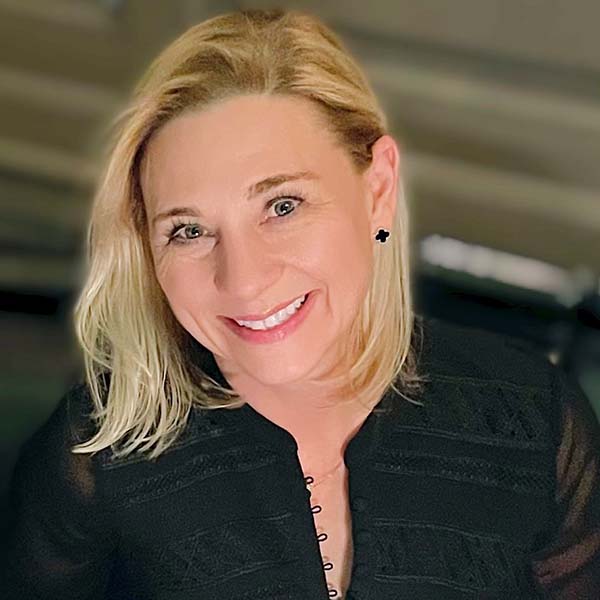
Kristina Dunlea, PT, DPT, NCS
Contributor
Kristina Dunlea is a clinical supervisor at Brigham and Women’s Hospital Rehabilitation Services in Foxborough, MA, and a board-certified neurologic clinical specialist (NCS). She specializes in the evaluation and treatment of individuals with neurologic and vestibular disorders, including concussion and mild traumatic brain injury, benign paroxysmal positional vertigo (BPPV), vestibular hypofunction, and cervicogenic dizziness. Dunlea earned her bachelor of science in physical therapy from Northeastern University and her doctor of physical therapy degree from Simmons University. She also holds certifications in vestibular rehabilitation, cervicogenic dizziness, myofascial trigger point therapy, and concussion management.
Ministrokes linked to elevated risk of dementia
Continuous glucose monitors benefit people who don't need insulin
CoQ10: Should you take this popular supplement if you're on a statin?
Microplastics: A hidden health threat?
Oat vs. dairy milk: Nutrition, benefits, and downsides
What is tempeh? Benefits, nutrition, and how to use it
Healing after food poisoning
Children of centenarians may stay healthier and live longer too, study finds
A lumbar belt may help ease low back pain
Whole grains may improve several heart risk factors at once