

Healing after food poisoning

What is tempeh? Benefits, nutrition, and how to use it

Light exposure at night may raise risk for heart disease

Whole grains may improve several heart risk factors at once

A lumbar belt may help ease low back pain

Children of centenarians may stay healthier and live longer too, study finds

Signs of pneumonia: Sometimes vague and unexpected

The surprising link between ovarian cancer and the fallopian tubes

Using a vibration plate: What it can — and can't — do for your body

People who walk more or walk faster live longer, study finds
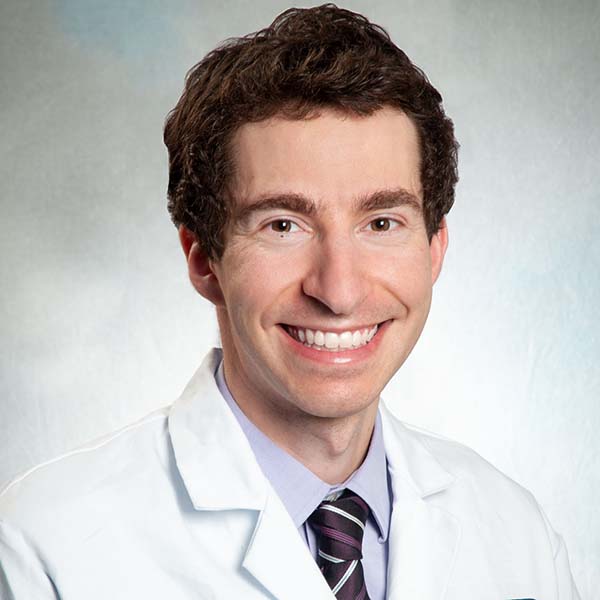
John Barbieri, MD, MBA
Contributor
Dr. John Barbieri is an associate professor at Harvard Medical School and director of the advanced acne therapeutics clinic at the Brigham and Women’s Hospital. He is an associate editor at JAMA Dermatology and co-chair of the American Academy of Dermatology Acne Guidelines Work Group.
His research focuses on conducting innovative clinical trials, health economics, and epidemiology studies to identify the best approaches to care for patients with chronic skin disease such as acne, rosacea, psoriasis, and atopic dermatitis. His interests also include the role of patient-reported outcomes to ensure capturing patients' perspectives on their care.
Healing after food poisoning
What is tempeh? Benefits, nutrition, and how to use it
Light exposure at night may raise risk for heart disease
Whole grains may improve several heart risk factors at once
A lumbar belt may help ease low back pain
Children of centenarians may stay healthier and live longer too, study finds
Signs of pneumonia: Sometimes vague and unexpected
The surprising link between ovarian cancer and the fallopian tubes
Using a vibration plate: What it can — and can't — do for your body
People who walk more or walk faster live longer, study finds

